A new nationwide study has revealed that this city is the happiest place to live in Britain, with residents benefiting from a strong mix of safety, affordability and quality of life.
The report, published by property-selling company Housebuyers4u, analysed more than 50 major UK cities to understand where people genuinely feel happiest about their lives and surroundings.
It measured life satisfaction, neighbourhood safety, access to green space, employment rates and even how often people search online for terms linked to mental distress.
These are the happiest places to live in the UK
York came out on top, with residents rating their life satisfaction at 7.65 out of 10 and the city scoring highly across almost every metric.
With a safety score of 72.9 out of 100, one of the highest in the country and nearly 80% of adults in employment, the city offers a level of stability that appears to translate directly into wellbeing.
Just over 9% of residents reported feeling lonely, suggesting strong social connections across the city.
Ipswich followed closely behind, standing out for having the highest employment rate in the UK at 85.9%.
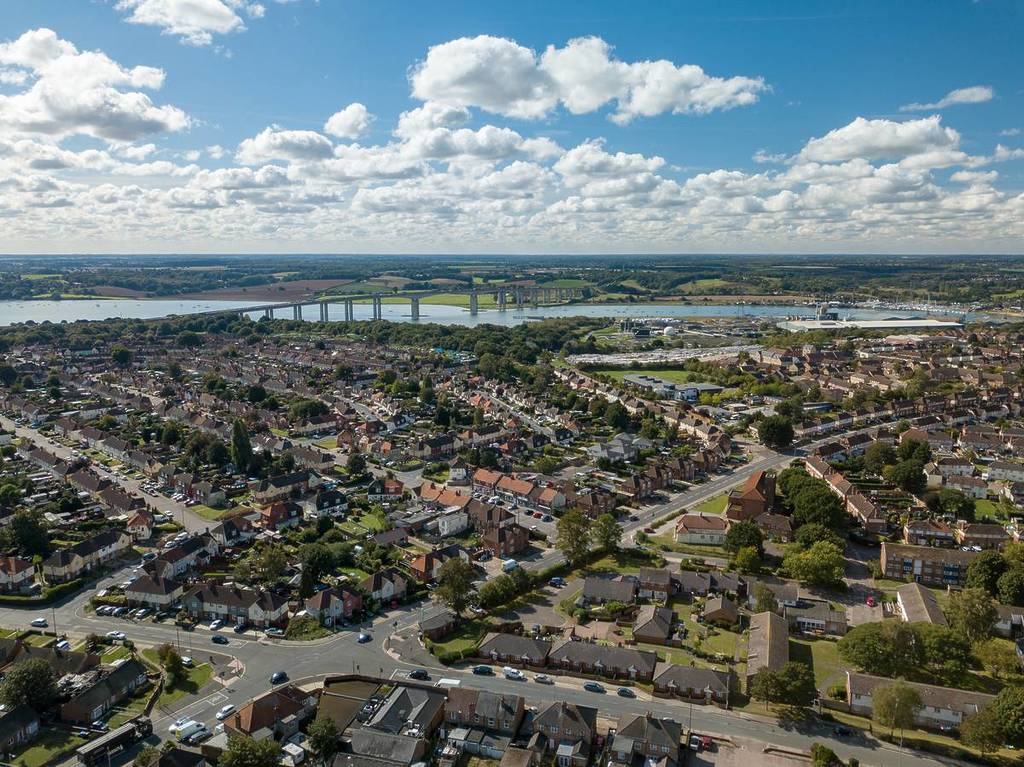
Financial security appears to play a major role in residents’ happiness, with Ipswich recording the highest life satisfaction score overall at 7.71.
The town also reported one of the lowest loneliness rates, at just 7.5%, reinforcing its reputation as a place where community still matters.
Newcastle upon Tyne ranked third, combining a high quality of life score (92 out of 100) with solid transport links, green spaces and relatively strong safety levels. Residents rated their life satisfaction at 7.69, placing the city just behind Ipswich.
Oxford and Sheffield complete the top five. Oxford benefits from high employment levels and a lively social scene, while Sheffield’s strong quality of life score reflects its balance of green space, affordability and shorter commute times.
These are the worst places to live in the UK
At the other end of the scale, towns such as Blackburn and Bolton were ranked among the worst places to live, with significantly higher unemployment levels and crime rates impacting residents’ sense of wellbeing.
Paul Gibbens, property expert at Housebuyers4u, said the findings highlight how deeply urban design influences mental health.
“It might sound funny, but British cities were never designed with happiness in mind,” he said. “They grew around coal mines, shipping ports and factories, where the priority was getting workers close to their jobs. Now we’re left with dense urban areas that don’t have enough green space or affordable housing. When you’re living paycheck to paycheck and can’t afford a decent place, and there is nowhere to go to clear your head, that stress builds up.”