
Back in March, a series of 24-hour strikes were announced by the National Union of Rail, Maritime and Transport (RMT). The first was set to take place the very same month, the second was scheduled for April, the third for May, and – you guessed if, folks – the fourth for June. Following some progress-making discussions between the RMT and London Underground management, the March strikes were called off. The same couldn’t be said about the April industrial action, but then – my some kind of miracle – the May strikes were called off with mere moments to spare.
But despite London’s trusty transport network having already been impacted by a bit of springtime strike action; the end is unfortunately not yet in sight. New June strikes have been marked in the RMT’s calendar, which are set to take place next week. And whilst there’s still time for negotiations to be made and for them to be called of; it’s best to be prepare (because failing to prepare is preparing to fail and all that). So, here’s everything you need to know about the upcoming London Underground strikes.
Who is striking and why?
Tube drivers (who are members of the RMT) are striking due to an ongoing dispute regarding work pattern changes. London Underground management wish to condense the hours of a 5-day week into a 4-day week, and the union have rejected these plans, expressing concern about ‘fatigue, safety and work-life balance’. Approximately 1800 union members are involved in the dispute.
When are the upcoming strikes taking place?
Strike action across the London Underground is currently set to take place over the following dates:
- Tuesday, June 2 (from 12.01am to 11.59pm)
- Thursday, June 4 (from 12.01am to 11.59pm)
Some disruptions are also expected to take place during the mornings of Wednesday, June 3 and Friday, June 5.
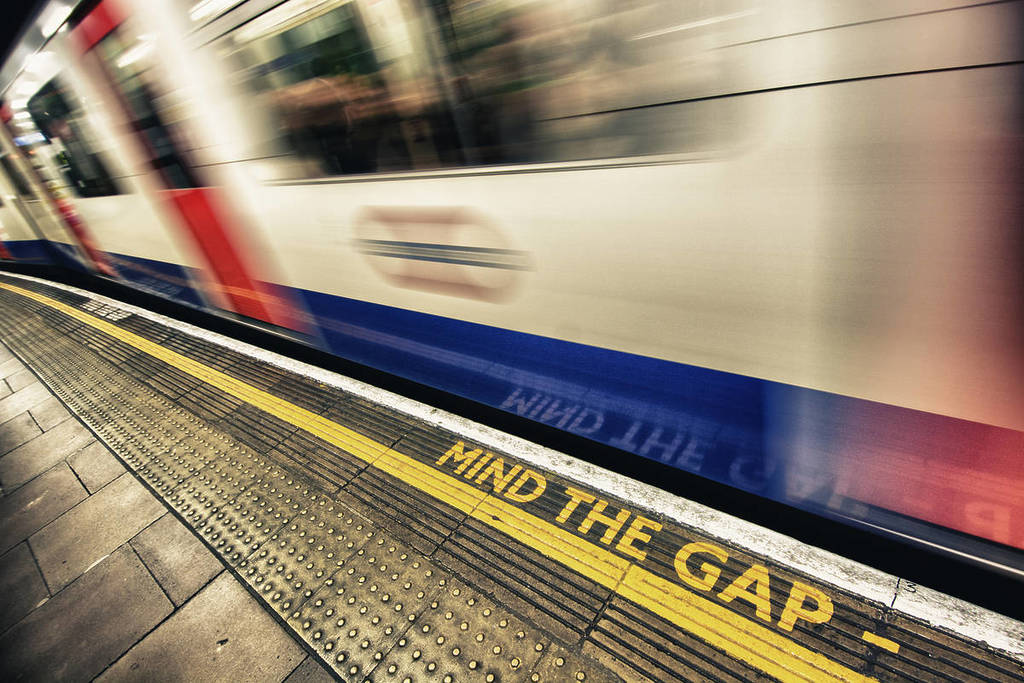
The strikes are set to affect all Tube lines, but the Elizabeth line, the DLR, and the London Overground will all be running as usual (but TfL have warned that these services will be very busy). Luckily, the April industrial action was definitely less disruptive than previous strikes that the London Underground has seen. Drivers belonging to ASLEF are not partaking in the strikes, meaning that most lines were able to run a reduced service in some capacity throughout last week. If the strikes in June go ahead as planned, we can only hope that the impact continues to be as minimal as possible.
Londoners will need to use alternative transport methods across the affected dates. As previously mentioned, the Lizzie Line, DLR, and Overground will run as usual, as will London buses and trams. Transport for London has advised that passengers plan ahead, check their journeys in advance, and use alternative routes where possible.
You can use TfL’s website to stay up to date and plan your journeys.