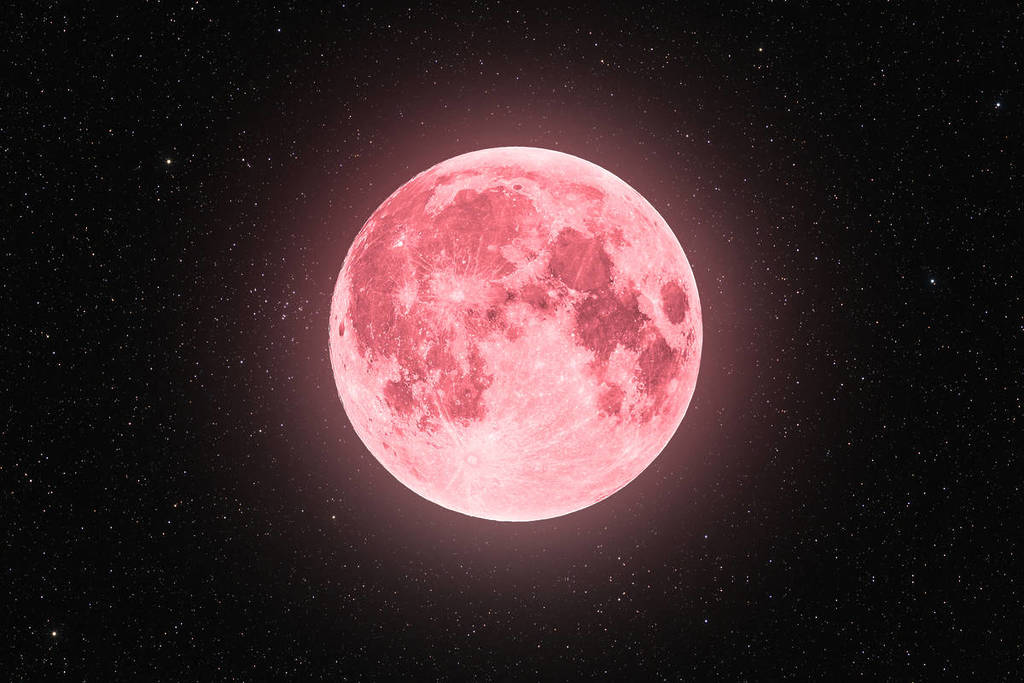
The Strawberry Moon is the traditional name for June’s full Moon, and it is one of the most recognisable lunar events of the year.
Despite the name, it does not usually appear pink or red. The title comes from the season of strawberry harvesting, not from the Moon’s colour. In 2026, the Strawberry Moon arrives at the end of June, making it a striking late-summer skywatching moment.
Why it is called the Strawberry Moon?
The name “Strawberry Moon” comes from seasonal traditions linked to the ripening of strawberries in early summer. It is part of a long-standing pattern in which full Moons were given names based on seasonal changes, agricultural activities, or natural events. The name is widely used today, especially in astronomy guides and popular skywatching coverage.
The Moon itself does not turn strawberry-coloured because of its name. What people sometimes notice instead is a warm, golden, or orange tint when it is low on the horizon. That effect comes from the way Earth’s atmosphere scatters light, especially just after moonrise or before moonset.
When is the Strawberry Moon in 2026?
For 2026, astronomy guides note that the Strawberry Moon rises around sunset at the end of June, with peak fullness on June 29. It is also the seventh full Moon of the year, since May 2026 includes two full Moons.
With full visibility on June 30 2026 at 12.57am in the UK.
How to view the Strawberry Moon in the UK
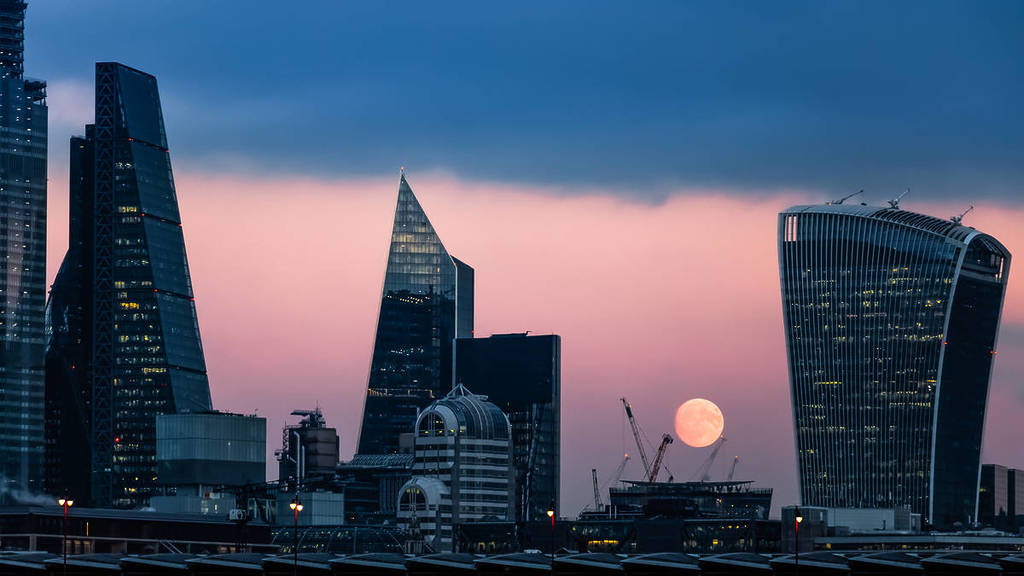
The best time to view the Strawberry Moon is usually just after moonrise, when it sits low in the sky and can appear larger and more dramatic.
In London and across the UK, that means looking east or south-east around sunset, then watching as the Moon climbs higher through the evening. The low position can make the Moon look more colourful than it really is, which adds to the spectacle.
If the sky is clear, this is a good opportunity for photography as well. A skyline, building, tree line, or open horizon can make the Moon appear especially impressive in a picture.