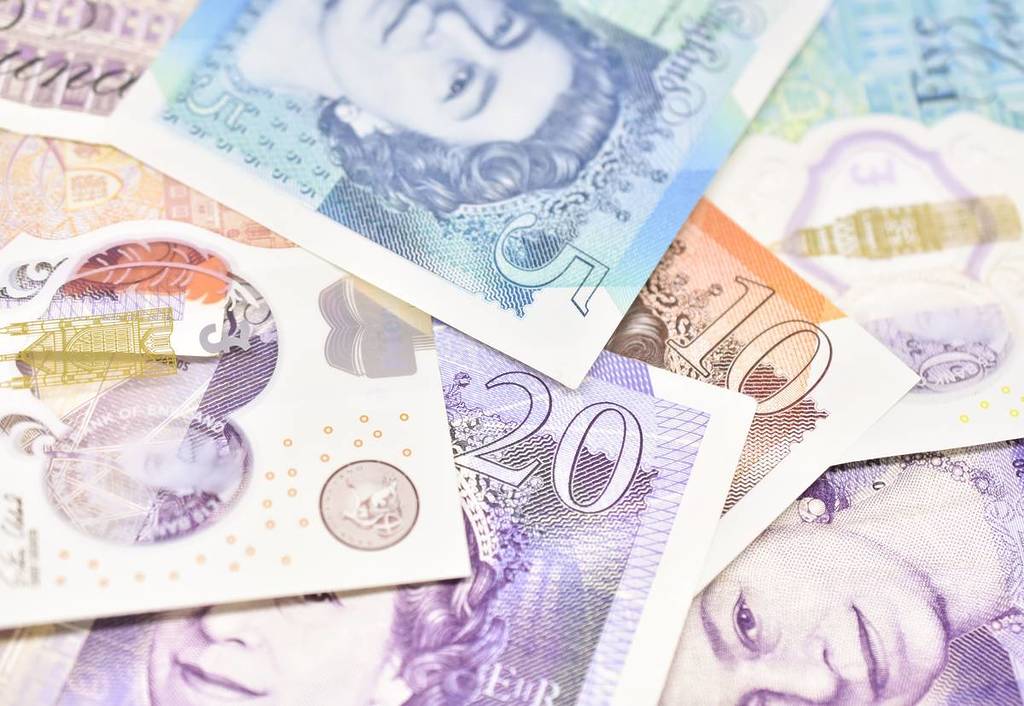
Chancellor Rachel Reeves has confirmed significant increases to the UK’s National Living Wage and National Minimum Wage, effective April 2026, aiming to ease cost-of-living pressures for low-paid workers. These changes, announced ahead of the Budget, will benefit millions but have sparked debate over impacts on employment and businesses.
Pay rise for millions of workers as national minimum wage and living wage to rise in 2026
The National Living Wage for those 21+ climbs 4.1% to £12.71 hourly from £12.21, adding roughly £900 yearly for full-time roles based on a standard 37.5-hour week.
The 18-20 category sees the steepest rise at 8.5%, hitting £10.85 from £10, boosting full-time annual pay by £1,500 pre-tax and signalling progress toward a unified adult rate.
Meanwhile, 16-17-year-olds and apprentices gain 6%, moving to £8 from £7.55, with accommodations for accommodation offsets remaining unchanged.
These hikes exceed inflation forecasts, aligning with Low Pay Commission recommendations to narrow the gap with living costs, though earlier 2025 estimates pegged the over-21 rate slightly lower at around £12.60.
UK National Living Wage 2026 rise adds £900 yearly
Reeves tied the policy to broader stability measures, including US, EU, and India trade deals, falling interest rates, and high street-focused business rates reform, amid corporation tax caps at 25%. However, frozen personal tax thresholds which is currently £12,570 tax-free, risk pushing newly higher earners into the 20% band, potentially offsetting gains.
Reeves emphasised that “the cost of living is still the number one issue” for working Britons, with too many struggling to make ends meet. She highlighted supporting low earners through wage hikes while backing businesses via trade deals, economic stability, capped corporation tax, and business rates reform. Treasury sources note the long-term goal of a single adult minimum wage.
In a statement confirming minimum wage would rise, Chancellor Reeves said: “I know that the cost of living is still the number one issue for working people and that the economy isn’t working well enough for those on the lowest incomes. Too many people are still struggling to make ends meet and that has to change. That’s why today I’m announcing that we will raise the National Living Wage and also the National Minimum Wage, so that those on low incomes are properly rewarded for their hard work.”
She added: “We also need to support businesses while protecting jobs and the economy and that’s why we’ve secured trade deals with the US, with the EU, and with India. It’s why we’re committed to economic stability to help interest rates fall further. It is why we have capped corporation tax, and why we’re reforming business rates, particularly so that they help the high street. In this week’s Budget, I’m going to deliver our mandate for change, and I’m determined to cut the cost of living for everyone.”