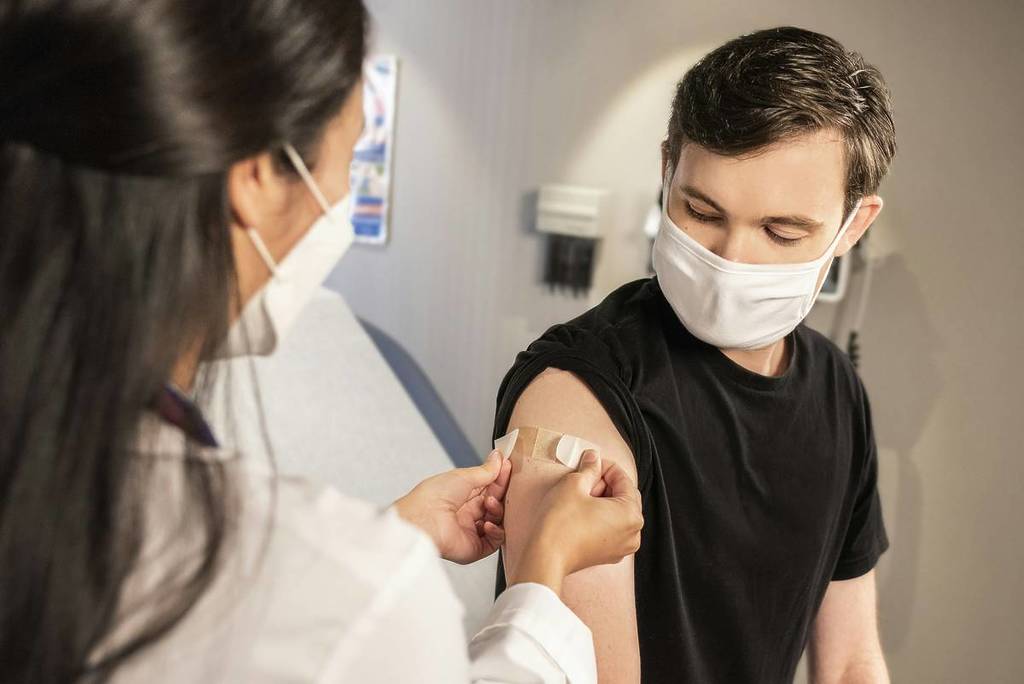

In the current Kent outbreak, at least four of 15 invasive meningococcal disease cases have been confirmed as MenB, and two people aged between 18 and 21 have died.
What is meningitis?
Meningitis is an infection of the membranes that surround the brain and spinal cord, and it can be caused by bacteria or viruses. Bacterial meningitis is less common but more serious than viral meningitis and can lead to sepsis (blood poisoning) and brain damage if not treated quickly.
When the bacteria invade the blood or brain linings and cause severe, acute illness, this is sometimes called invasive meningococcal disease.
Symptoms to watch for
Symptoms often come on suddenly and can worsen very quickly, so urgent medical help is vital if you are worried.
Key possible signs include:
- A rash that does not fade when pressed with a glass
- Sudden high fever
- Severe headache that is getting worse and does not go away
- Stiff neck or severe neck pain
- Dislike of bright lights (photophobia)
- Vomiting and/or diarrhoea
- Joint and muscle pain
- Very cold hands and feet, pale or mottled skin
- Extreme sleepiness, difficulty waking, or losing consciousness
- Confusion, delirium, or not acting like yourself
- Seizures (fits)
Not everyone gets all these symptoms, and a rash may appear late or not at all, so do not wait for every sign to show before seeking help.
Anyone unwell with possible meningitis or sepsis symptoms should seek urgent medical help at the nearest A&E or by dialling 999.
Is there a meningitis vaccine?
No single vaccine covers all causes of meningitis, but several vaccines protect against the main bacterial infections that cause meningitis and septicaemia.
Key vaccines in the UK include:
- MenACWY: Protects against meningococcal groups A, C, W and Y, routinely offered to teenagers (around age 14) with catch‑up available up to age 25.
- MenB: Protects against group B meningococcal bacteria, given to babies at 8 and 12 weeks with a booster at 1 year; it was added to the infant schedule in 2015 and is not routinely offered to today’s teenagers.
- 6‑in‑1 (DTaP/IPV/Hib/HepB): Protects against diphtheria, tetanus, whooping cough, polio, hepatitis B and Hib, all of which can cause serious infection including meningitis.
- Pneumococcal (PCV): Helps protect babies against serious pneumococcal infections, including meningitis.
- MMRV (from January 2026): Protects against measles, mumps, rubella and chickenpox; some of these illnesses can very occasionally lead to meningitis.
Generally it takes a couple of weeks after vaccination to achieve the best level of protection, and some vaccines need booster doses to maintain immunity.
How meningitis spreads and how to reduce risk
Meningococcal bacteria can live harmlessly in the nose or throat of some people, who then pass them on through close contact such as coughing, sneezing, kissing, or sharing drinks, utensils or vapes.
Outbreaks are uncommon but more likely in places where lots of young adults mix closely, such as university halls or busy nightclubs, which is why the Canterbury outbreak is being treated as a serious public health incident.