
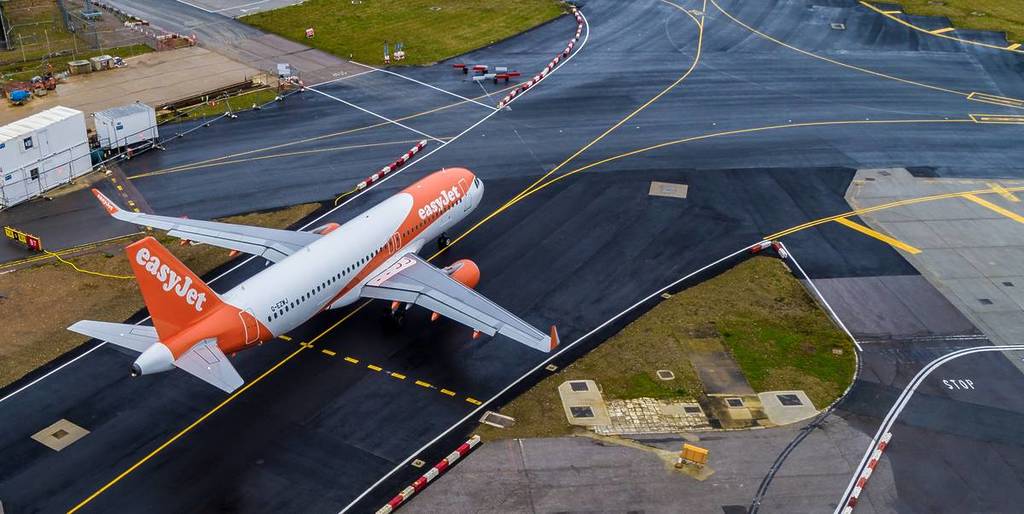
Now, if Love Actually has taught us anything (well, aside from the fact that you shouldn’t kiss your best mate’s wife), it’s that airports are supposed to be happy places at Christmas. Full of loved ones reuniting and excited holiday-goers jetting off on their festive adventures. But unfortunately, certain passengers flying from London this holiday season could be faced with a slightly more stressful experience, as Luton Airport is set to be hit with significant strike action over the coming weeks.
Unite the Union recently confirmed that hundreds of easyJet staff members are preparing to strike over the Christmas period due to an unresolved pay dispute. Over 200 baggage handlers and check-in staff plan to walk out across six days in total if an agreement cannot be made between them and DHL (the company that employ the striking staff members).
When will the strike take place?
Workers are due to strike for a total of six days either side of Christmas. The first of the three-day strikes will start at 3am on December 19 (this Friday) and end at 3am on December 22. And the second strike period will start at 3am on December 26 and end at 3am on December 29.
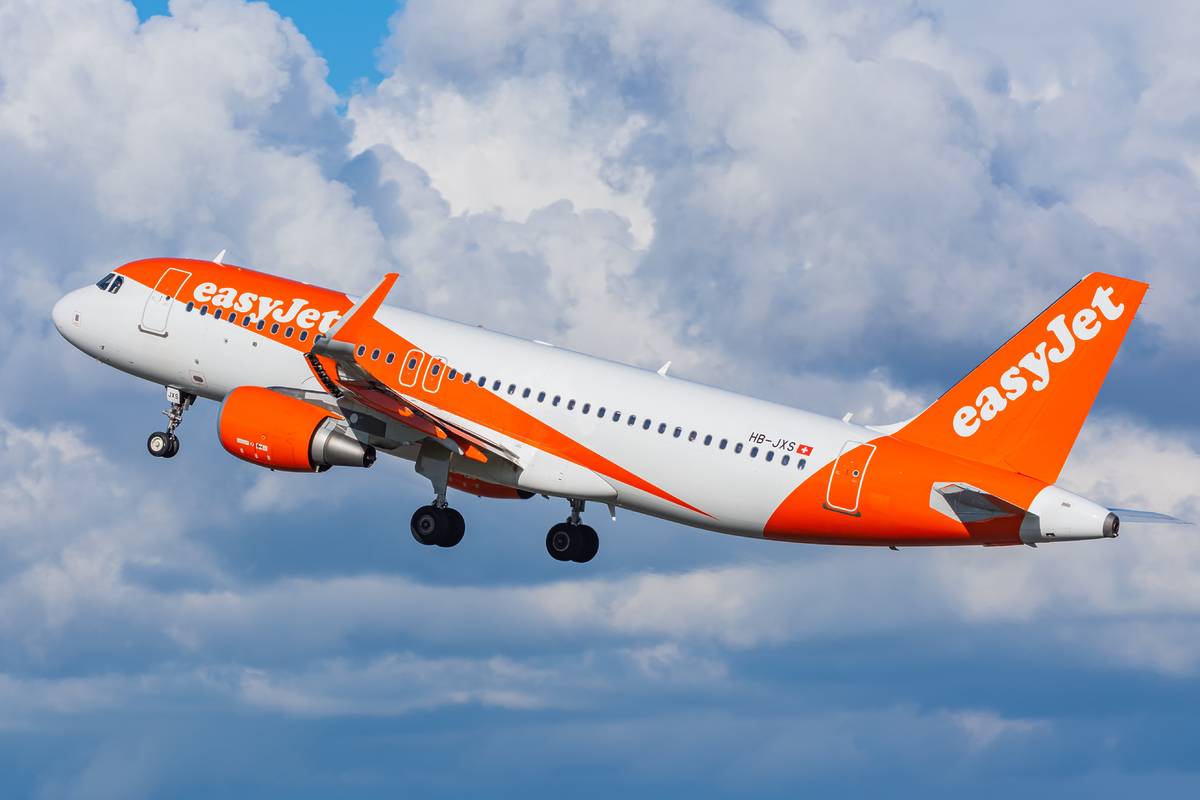
Why is the strike taking place?
easyJet’s check-in and baggage-handling staff are employed and outsourced by DHL. The staff members working at Luton Airport are allegedly paid £3 less an hour than their colleagues at Gatwick Airport, who are doing the same jobs.
Who will be affected by the strike?
Unite think that around 410 easyJet flights could be delayed or cancelled as a result of the strikes. Other airlines are unlikely to be affected by the strikes, but general delays (and chaos) within the airport could cause a knock-on effect.
An easyJet spokesperson said: “We will work closely with the airport and DHL to ensure that robust contingency plans are in place”. And there, of course, is still time for a deal to be reached and the strikes to be called off.
Jeff Hodge, the union’s regional officer, said: “We know passengers set to fly easyJet from Luton on these dates will be concerned, but the dispute is entirely the fault of DHL, who can well afford to pay these workers a wage they can live on but are choosing not to. Strike action could still be avoided, but that now hinges on DHL returning to negotiations with an offer that is acceptable to our members.”