What began as a routine building job beneath Smithfield Market has turned into one of the most enchanting architectural discoveries London has seen in years.
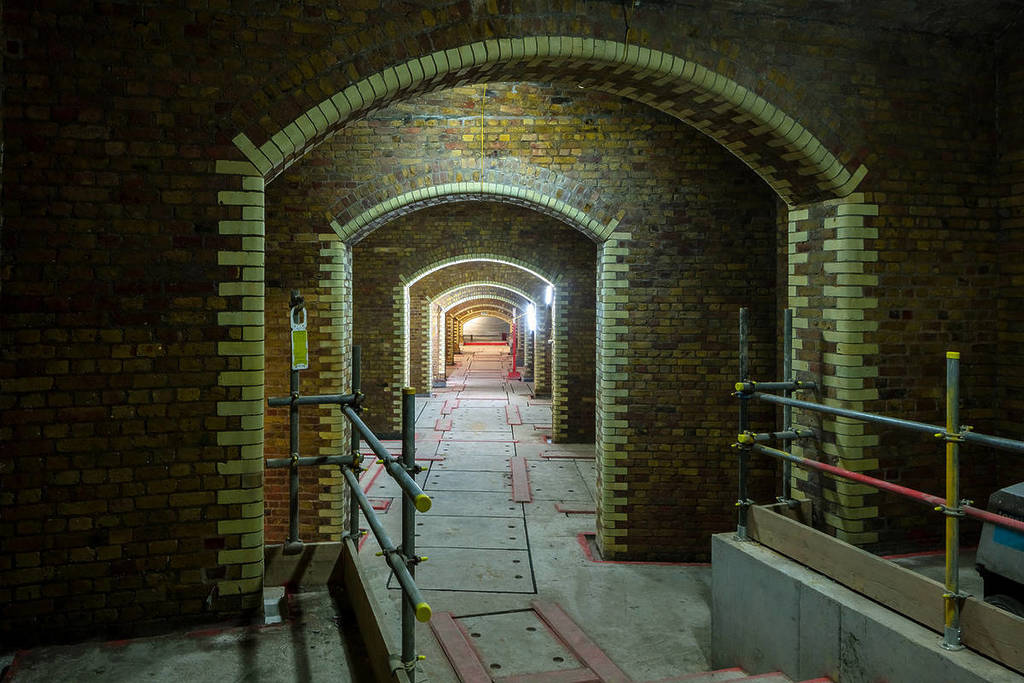
What the builders found, after breaking through a bricked-up basement wall, was a forgotten labyrinth – a vast network of beautifully crafted Victorian vaults hidden right beneath one of the city’s busiest districts.
Architect Paul Williams of Stanton Williams vividly recalls the moment. One of his contractors knocked a tentative hole through a thick brick wall, flashed a torch inside, and glimpsed little more than rubble and a few startled rats.
But what lay beyond the debris was extraordinary: more than 800 square metres of soaring brick arches and pillars, hand-built with painstaking precision in the 1880s.
A forgotten world beneath the Smithfield Market
The vaults, unseen and undocumented for generations, were originally constructed as part of the General Market complex at Smithfield. They reinforced the busy Farringdon Road above, but their intricate design suggests they had additional purposes – possibly for storing meat, produce, and fabrics moving through what was once one of London’s busiest trade hubs.
Even their structure speaks to careful thought: paler, curved bricks edging each column appear to have guided porters through the dimly lit tunnels, a subtle, ingenious Victorian navigation system.
A multi-million pound design for the new London Museum set to open in 2026
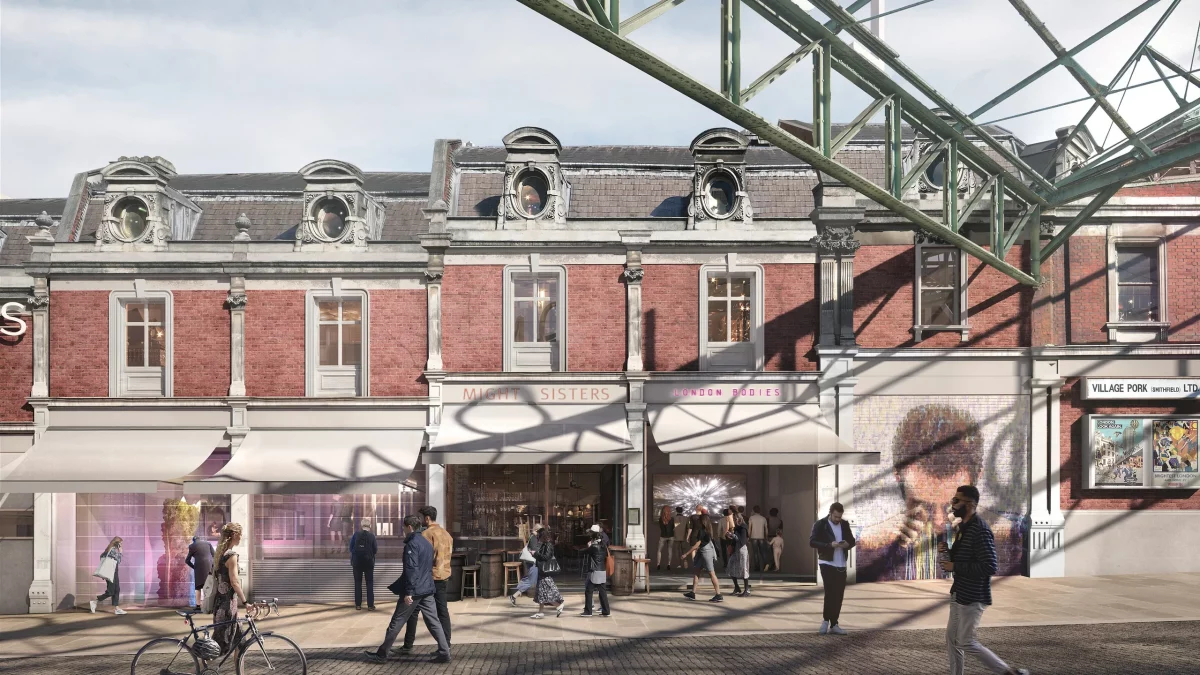
While the rediscovery thrilled the project team, it also posed a significant challenge. The multimillion-pound design for the new London Museum which will relocate from its former Barbican home had made no allowance for a hidden underground expanse. But dismissing the find was unthinkable.
With additional funds from the City of London Corporation, the vaults are now being meticulously restored and integrated into the design. They lie at the same depth as the city’s old Roman streets and even align with the Thameslink rail lines, which future visitors will be able to glimpse through a subterranean viewing window.
“This whole project is about imagination,” said Williams. “You’ve got trains, Romans, hidden rivers, and vaults you didn’t know existed – it’s about discovery and hidden treasure. It couldn’t be more perfect for the London Museum.”
A new chapter under the London Museum
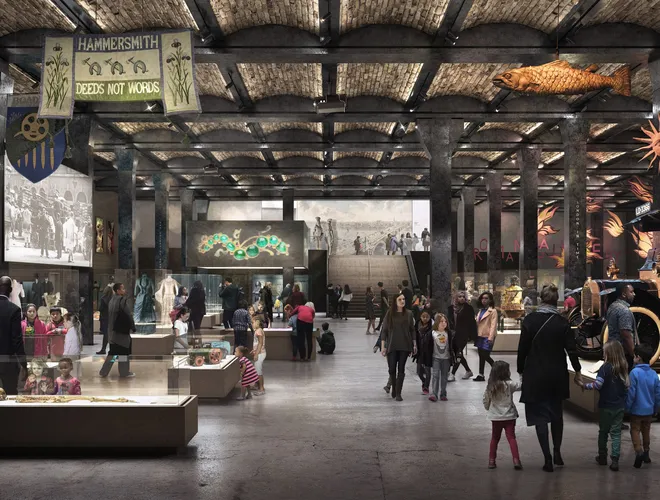
Now, five years after the initial breakthrough, the vaults’ brickwork gleams once again. As floors and lighting near completion, plans are emerging to use the atmospheric space for special events such as an immersive theatre, large-scale dinners, and pop-up exhibitions rather than permanent displays.
For project manager Joe Kenway, the ambition is as much about reconnecting people with place as it is about heritage preservation. “Smithfield has been part of London’s story for centuries,” he said. “By opening these vaults to the public, we’re giving people the chance to rediscover a hidden part of the city and to feel that sense of wonder for themselves.”
When the new London Museum opens in 2026, visitors will not only step into the story of the city – they’ll walk through one of its greatest 19th-century secrets, finally brought back into the light.