London’s iconic brutalist arts hub, The Barbican Centre, will close for a full year starting in June 2028 to undergo major renovations aimed at securing its future for decades ahead.
This multimillion-pound renewal programme, recently approved by the City of London Corporation, addresses decades of wear on the Grade II-listed site, which opened in 1982 and draws over 1.5 million visitors annually.
The Barbican Centre to undergo major renovations from June 2028
Works begin in stages, with theatre adaptations from January 2026 and major construction in 2027, leading to the site’s full closure until June 2029. The conservatory shuts earlier in 2027, while Beech Street cinemas stay open, and residential estate access continues uninterrupted. Completion targets 2030, just before the Barbican’s 50th anniversary in 2032.
The programme follows four principles: repair and conserve, design for all, reactivate space, and focus on sustainability, including a 40% carbon footprint reduction.
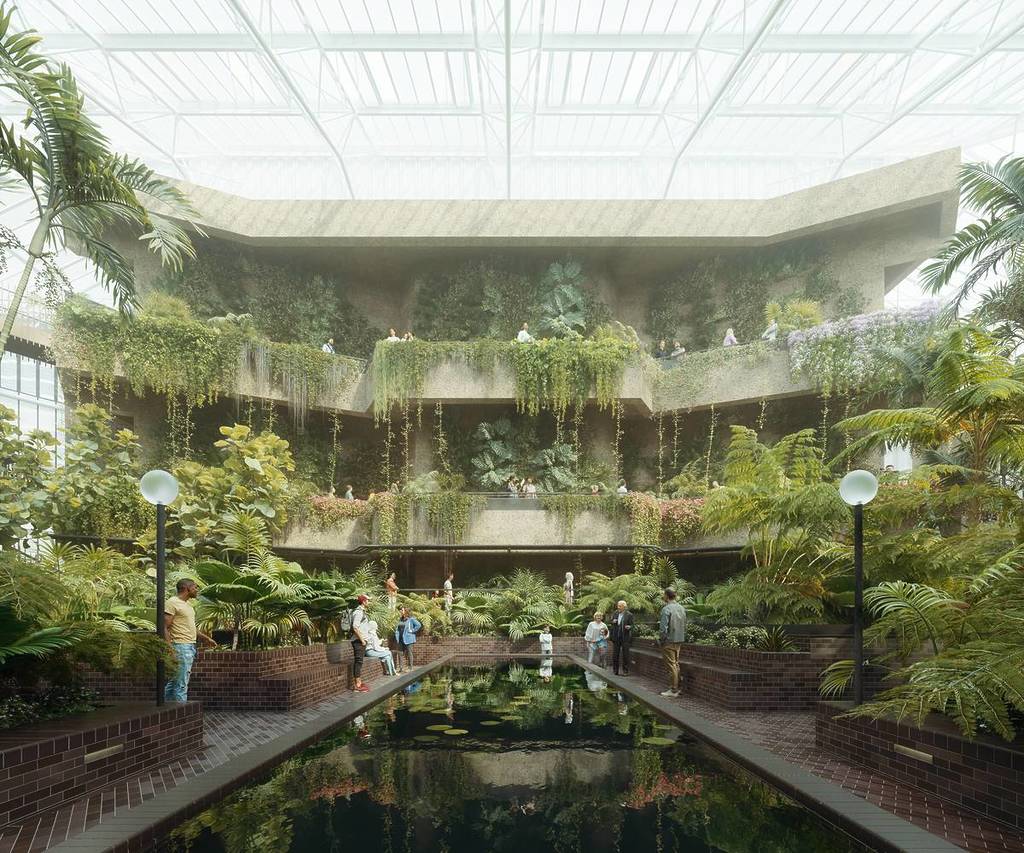
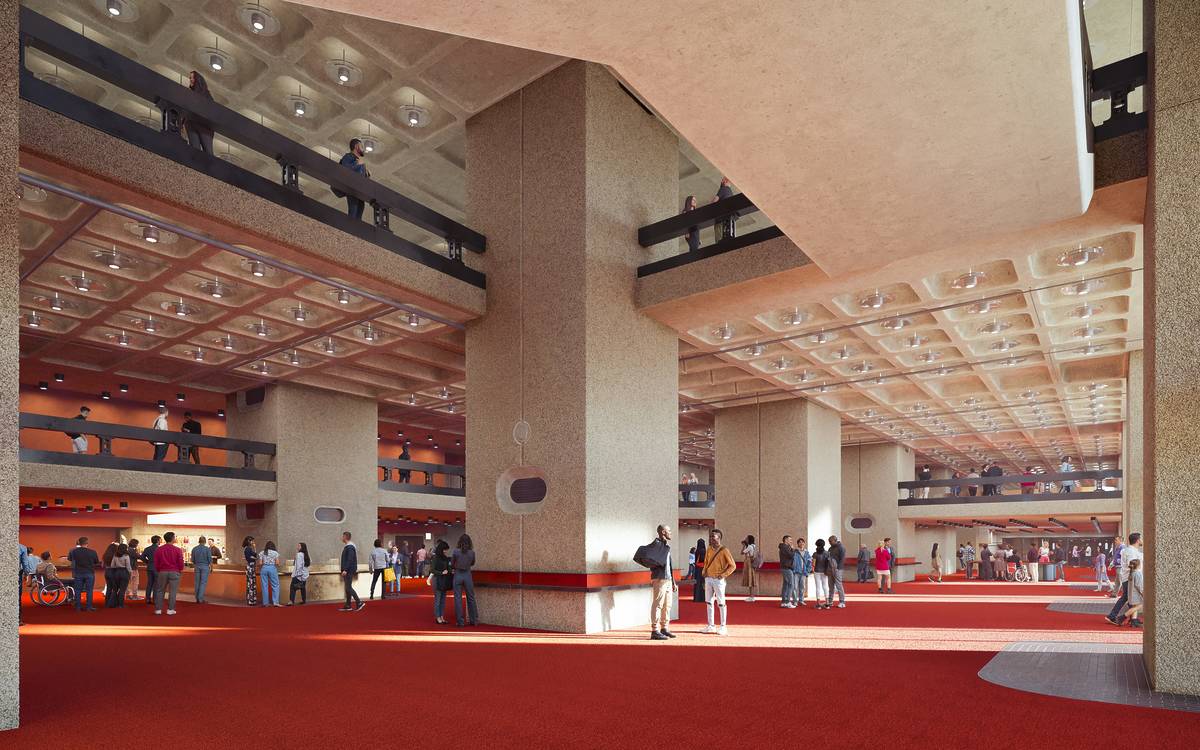
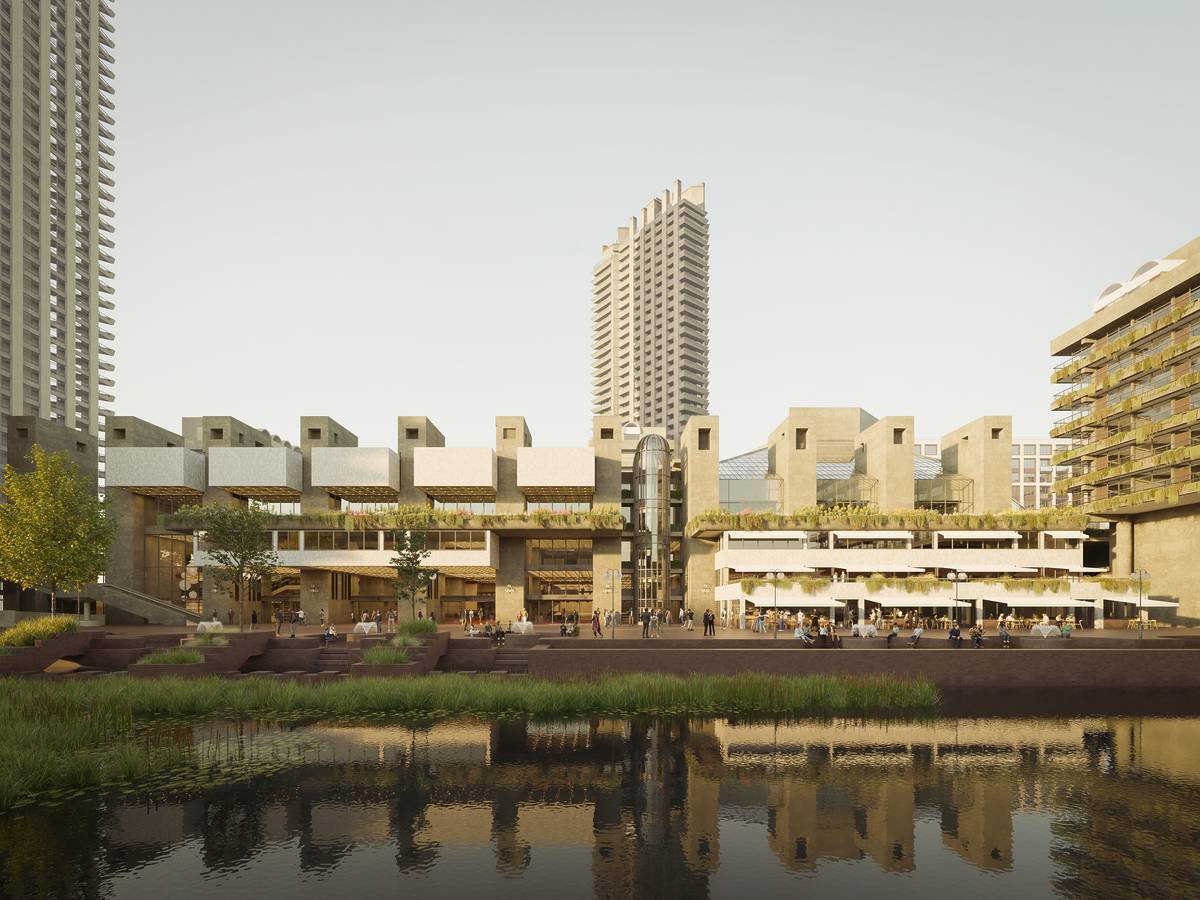
Enhancements feature improved foyers with better lighting and public art, a restored lakeside terrace, full conservatory accessibility as a free public garden, plus a multi-faith room and better way-finding. Harris Bugg Studio leads the eco-brutalist conservatory refresh.
Philippa Simpson, director for buildings and renewal, calls it a “vital step” to renew the centre for the next 50 years, protecting its legacy amid tasks like asbestos removal and electrical overhauls.
Sir William Russell, board chair, hails it as unlocking a “cultural icon’s” potential. Resident groups like the London Symphony Orchestra plan alternative London and UK performances.
Costing up to £451 million overall (£231 million for phase one, with £191 million committed), the project ensures safety by halting public access during ventilation-disabled works. Staff outcomes remain under review, with unions involved to avoid rushed changes. During closure, the Barbican aims to programme events elsewhere, maintaining its cultural presence in London.