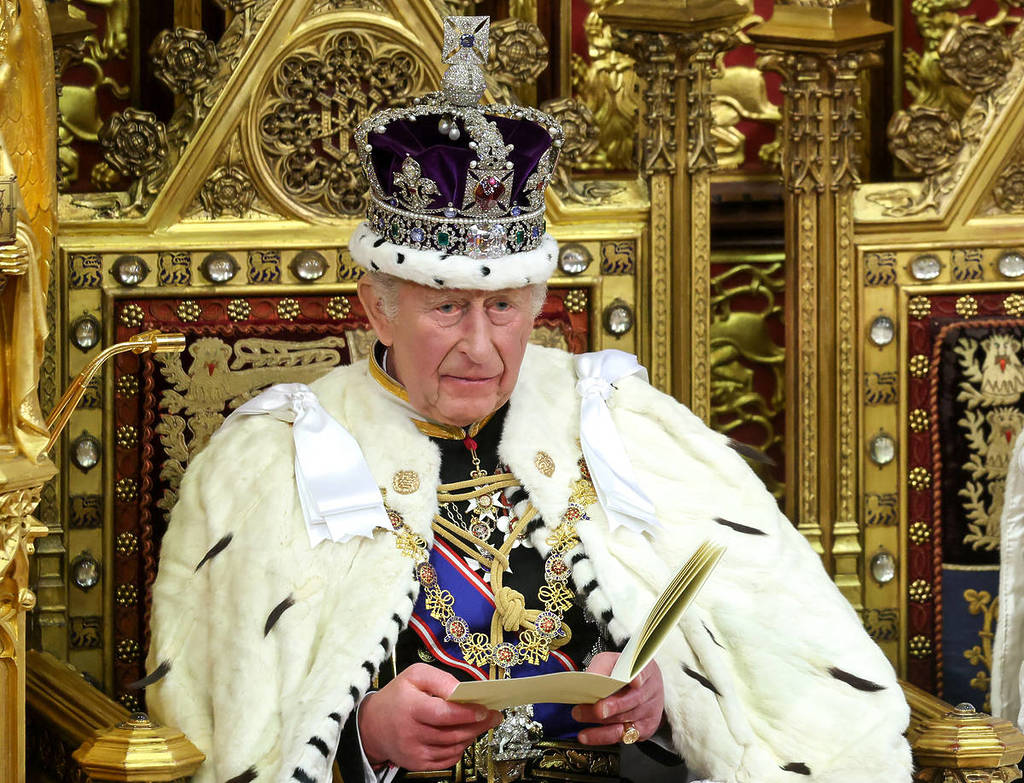

King Charles III has set out an ambitious legislative agenda for the year ahead, unveiling 37 bills in his third King’s Speech.
Delivered at the State Opening of Parliament on Wednesday, the speech outlined sweeping reforms across housing, transport, national security and economic regulation, while also signalling a shift in the UK’s relationship with Europe.
It comes as nearly 100 Labour MPs reportedly call for Starmer to step down following heavy local election losses, placing his leadership under intense scrutiny.
Against a backdrop of global instability, the King emphasised security and resilience, warning that an “increasingly dangerous and volatile world” would test the UK’s energy, defence and economic systems.
He added that the government would respond “with strength” while aiming to build a fairer country.
European Partnership Bill at centre of agenda
One of the most politically significant measures is the European Partnership Bill, which confirms Labour’s intention to rebuild ties with the EU.
The legislation would allow alignment with European rules in key areas such as food standards, carbon trading and electricity markets.
The move reflects Starmer’s push to position Britain closer to Europe economically and strategically, though it has already drawn criticism from pro-Brexit voices who argue it risks undermining the 2016 referendum result.
Major reforms to housing and renting
Housing policy featured prominently, with two major bills aimed at tackling affordability and reforming outdated systems.
The Social Housing Renewal Bill promises increased long-term investment in social housing, potentially revisiting Labour’s existing target of 180,000 new homes by 2036.
Meanwhile, the Commonhold and Leasehold Reform Bill signals a decisive shift away from leasehold ownership, with plans to ban new leasehold flats and cap ground rents at £250 per year.
Existing leaseholders will also gain stronger rights to convert to commonhold, marking what ministers describe as the “beginning of the end” for the current system.
King’s Speech 2026: a total of 37 bills announced as part of the speech
Steel Industry (Nationalisation) Bill
Will give the government explicit powers to nationalise British Steel and to manage its operations in the public interest during strategic or market distress.
High Speed Rail (Crewe-Manchester) Bill
Establishes the legal and planning framework for the Crewe–Manchester section of Northern Powerhouse Rail, enabling land acquisition and major construction. It fast‑tracks delivery of the line as a foundational segment of wider northern rail investment.
European Partnership Bill
Creates a statutory framework for the UK to adopt or align with specified EU rules in areas where closer cooperation is agreed (for example, food standards, carbon trading and electricity markets).
Small Business Protections (Late Payments) Bill
Introduces safeguards for small to medium size businesses against long payment terms, including maximum allowed payment periods and mandatory interest on late invoices.
Clean Water Bill
Establishes a new regulator for the water industry and a consumer‑facing water ombudsman with stronger powers to protect customers. The bill aims to improve water quality oversight, enforcement and transparency of company performance.
Competition Reform Bill
Reforms the Competition and Markets Authority’s powers and processes to make investigations faster and more predictable.
Regulating for Growth Bill
Contains measures to simplify and speed up regulatory approvals seen as blocking innovation, especially for technology and modern business models.
Enhancing Financial Services Bill
Modernises the regulatory regime for lenders and consumer protections to reflect market changes and new forms of credit provision.
Highways (Financing) Bill
Introduces a new funding model to attract private capital into major road schemes, enabling projects such as the Lower Thames Crossing to proceed.
Overnight Visitor Levy Bill
Allows mayors (and potentially other local leaders) in England to introduce a tourist tax on overnight stays in their areas.
Social Housing Renewal Bill
Aims to increase long‑term investment in social rented housing and to protect existing social stock by tightening Right to Buy eligibility. The bill includes measures to accelerate building of affordable homes and improve tenancy standards.
Commonhold and Leasehold Reform Bill
Bans the sale of new flats as leasehold, caps ground rents (announced at £250 a year for new leases), and creates a streamlined route for existing leaseholders to convert to commonhold.
Education for All Bill
Reforms provision for children with special educational needs and disabilities (SEND) in England to improve access, accountability and outcomes.
Representation of the People Bill
Lowers the voting age to 16 for all UK elections and includes additional measures to modernise voter registration and electoral administration.
Remediation Bill
Strengthens regulators’ powers and closes legal loopholes to accelerate removal of unsafe cladding and building defects.
Draft Conversion Practices Bill
Creates criminal and civil protections against “conversion” attempts aimed at changing sexual orientation or transgender identity, and strengthens support for survivors.
Draft Ticket Tout Bill
Makes it illegal to resell a ticket above its original face value, caps resale platform fees and enables regulators to fine offending firms up to 10% of global turnover. It also gives consumers better protection and options for redress.
Sporting Events Bill
Provides legal and planning powers to support delivery of major events such as Euro 2028 and to strengthen the UK’s bid capabilities for future tournaments.
Police Reform Bill
A major overhaul of policing governance, including abolishing police and crime commissioners and introducing new accountability structures. It also sets a legal framework for expanded use of facial recognition technology and other operational reforms.
NHS Modernisation Bill
A structural reform that abolishes NHS England and replaces it with new governance, while creating a single patient record accessible via the NHS app.
Railways and Passenger Benefits Bill
Formally establishes Great British Railways as the integrated public body in charge of track and train services, and creates a strengthened passenger watchdog.
Digital Access to Services Bill
Introduces a voluntary digital ID system for use across public services and the wider economy, with privacy and security safeguards.
Public Office (Accountability) Bill (Hillsborough Law)
Implements the so‑called Hillsborough Law by creating duties of candour and accountability for public officials, while resolving prior security‑related drafting issues.
Removal of Peerages Bill
Creates a mechanism to remove peerages and membership of the House of Lords from disgraced peers without requiring a separate bespoke Act each time.
Courts Modernisation Bill
Contains reforms to the criminal justice process, including controversial proposals to restrict trial by jury to the most serious cases. It also modernises court procedures, digital filing and case management to speed up trials.
Northern Ireland Troubles Bill
Continues work on resolving legacy issues from the Troubles by creating legal mechanisms to balance victims’ rights, prosecutions and reconciliation.
Draft Taxi and Private Hire Vehicle Bill
Modernises century‑old licensing rules for taxis and private hire vehicles to close regulatory vulnerabilities, improve passenger safety and strengthen background checks.
Civil Aviation Bill
Strengthens passenger rights, reforms airport slot regulation to support expansion and changes aviation consumer protections.
Sovereign Grant Bill
Permits a reduction in the Sovereign Grant (the public funding for the monarchy) once major refurbishment work at Buckingham Palace notably plumbing and wiring updates is completed.
Energy Independence Bill
Packages measures to upgrade homes, accelerate construction of energy infrastructure and speed deployment of renewables and low‑carbon generation. The bill is designed to improve energy security and cut household bills through efficiency and new generation.
Nuclear Regulation Bill
Modernises the regulatory approach to nuclear projects to speed up approvals and de‑risk investment in new power stations.
Electricity Generator Levy Bill
Imposes a higher windfall tax on electricity generators (raising the rate in government announcements to 55% for certain periods) and seeks to break the direct link between gas prices and electricity bills.
Tackling State Threats Bill
Gives the government powers to ban or restrict foreign state‑backed organisations engaged in espionage, sabotage or interference in the UK.
Armed Forces Bill
A routine quinquennial renewal of the constitutional framework for the armed forces that also enshrines the Armed Forces Covenant in law.
National Security Bill
Creates offences targeting the planning of mass attacks and criminalises a range of harmful online content linked to extremism.
Immigration and Asylum Bill
Toughens controls on small boat crossings, tightens asylum appeals and reforms routes to settlement, including longer qualifying periods in some cases.
Cyber Security and Resilience Bill
Strengthens cyber defences for businesses and essential services, updates obligations on critical infrastructure operators and raises penalties for breaches.