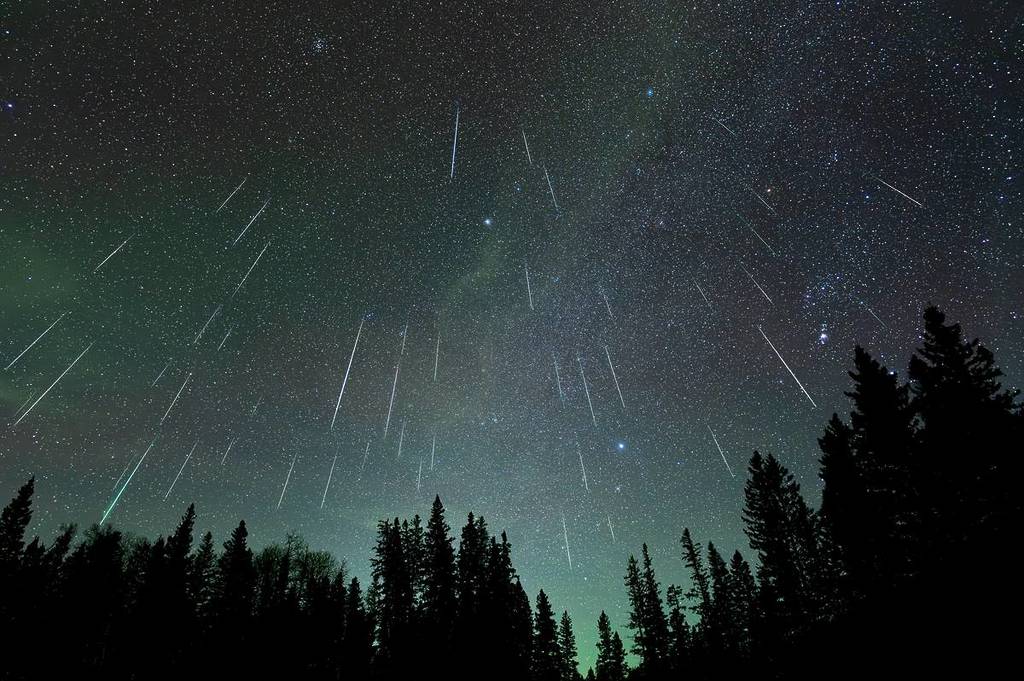

Every summer, the night sky puts on one of its most reliable and dazzling displays, the Perseid meteor shower. Known for its high hourly rates and bright, fast-moving shooting stars, it’s a seasonal highlight for stargazers across the UK.
Here’s everything you need to know about the Perseids in 2026, including when to watch and how to get the best view.
What is the Perseid meteor shower?

The Perseids are caused by Earth passing through a stream of debris left behind by the comet 109P/Swift–Tuttle. As tiny fragments of dust and rock enter our atmosphere at speeds of up to around 36 miles per second, they burn up, creating the streaks of light we call meteors.
Smaller particles vaporise instantly, while larger fragments can produce dramatic “fireballs” — brighter, longer-lasting flashes that leave glowing trails across the sky.
The shower takes its name from the constellation Perseus, as the meteors appear to radiate from this point.
When is the Perseid meteor shower taking place in the UK?

The Perseids have been active between July 17 and August 24, gradually building in intensity before reaching their peak tonight.
- Peak nights: August 12–13 (overnight)
- Peak rate: Up to 150 meteors per hour under ideal conditions
This year is particularly favourable for UK viewers, as the peak coincides with a new Moon, meaning darker skies and better visibility.
What time is best to see it?
While you may spot meteors shortly after sunset, the best viewing window is: Midnight to around 5:30am
During these early hours, the sky is darkest and the constellation Perseus sits higher in the sky, increasing your chances of spotting meteors.
How to see the Perseids in the UK tonight
You don’t need specialist equipment to enjoy the Perseids, but a bit of planning can make all the difference.
Find a dark spot: Head away from city lights if possible, countryside locations, coastal areas, or even a local park can help reduce light pollution.
Check the forecast: Clear skies are essential, so keep an eye on weather conditions in the days leading up to the peak.
Let your eyes adjust: Give yourself at least 15–20 minutes in the dark to improve night vision. Avoid checking your phone.
Look up, not at Perseus: Meteors can appear anywhere in the sky, so focus on a wide, unobstructed view rather than staring directly at the constellation.
Skip the telescope: The wider your field of view, the better. Binoculars and telescopes will actually limit what you can see.
Why the Perseids are worth watching
The Perseids are widely considered the best meteor shower of the year for Northern Hemisphere observers.
Combined with warm summer nights, it’s one of the easiest and most enjoyable astronomical events to experience.
With peak activity falling during a new Moon, 2026 offers near-ideal viewing conditions. If skies stay clear, this could be one of the best Perseid displays in recent years for UK observers.