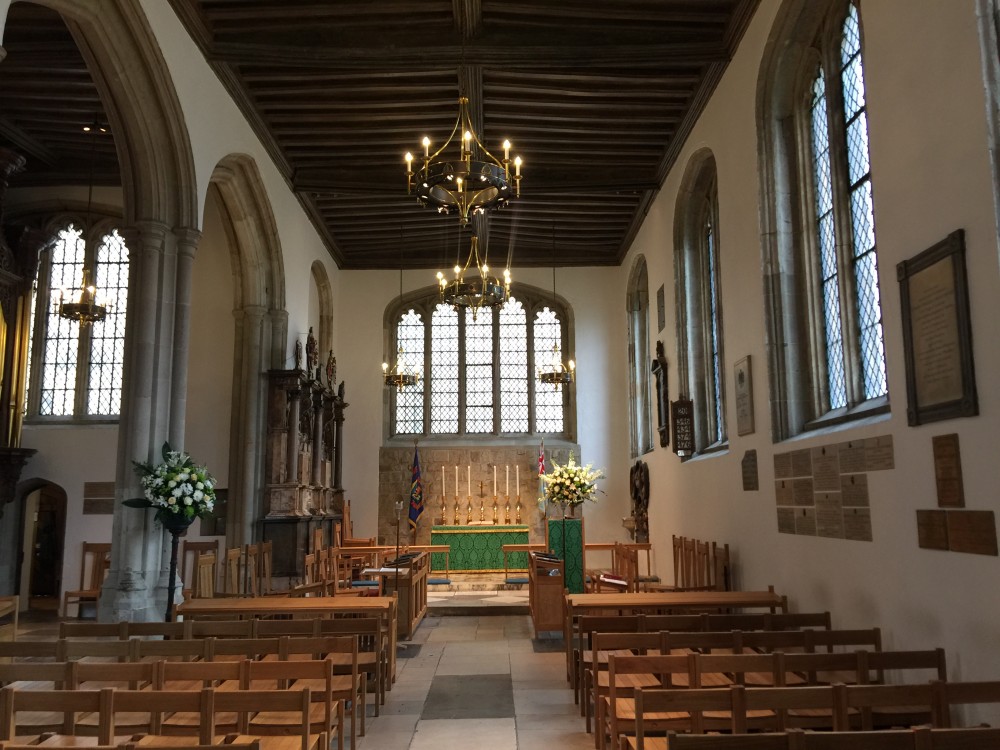
The Tower of London is giving up some of its best-kept medieval secrets. In the most significant dig inside the fortress in a generation, archaeologists have uncovered up to 50 human remains, lost chapels, and a trove of rare artefacts beneath the Chapel Royal of St Peter ad Vincula.
What began as groundwork for a new lift has turned into a landmark project that’s redrawing the map of the medieval Tower and illuminating the lives of the people who lived, worked, worshipped and died within its walls.
Unveiling the medieval past at Tower of London

The excavation was triggered by plans to install a new elevator at the chapel, the Tower’s parish church and the burial place of Anne Boleyn, Catherine Howard and Sir Thomas More. A trial trench in 2019 already hinted at what lay below, but the 2025 dig has gone much deeper down to around 10 feet in places and revealed far more than anyone expected.
Carried out by Pre-Construct Archaeology with Historic Royal Palaces and Historic England, the work is being described as the most important excavation at the Tower for decades.
What did they find?
Archaeologists have now revealed the remains of up to 50 individuals, spanning several centuries of the Tower’s history.
Among the most striking discoveries is a cluster of 14th-century burials believed to be a mass grave linked to the Black Death, which devastated London from 1348 onwards.
Other graves tell different stories. Three skeletons from the late 12th or early 13th centuries were found in coffins, with one wrapped in a shroud, practices that suggest high-status burials at a time when such treatment was unusual.
Another 12th–13th century grave contained two ceramic pots filled with charcoal, a funerary custom more common on the continent and almost without precedent in England.
Tower of London’s foundations stretch as far back as the 12th century and possibly even further
Textile finds are especially rare in London’s damp soil, yet fragments of a burial shroud from the late 12th or early 13th century have survived, along with personal items such as sewing and shroud pins, buckles, book clasps and jewellery.
Beneath the current chapel rebuilt for Henry VIII in 1519-20, archaeologists have identified foundations that may go back to the 12th century and possibly earlier.
Evidence points to Henry I’s original chapel on the site in the early 1100s, later works under Henry III around 1240, and traces of a large burning event that may relate to the destruction of an earlier building.
In effect, the dig is exposing a layered sequence of worship spaces: from a small Norman chapel, through medieval rebuilds, to the Tudor structure visitors see today. For historians, that’s a rare chance to track how the spiritual heart of the Tower evolved alongside the fortress itself.
Medieval artefacts portraying everyday life
Alongside the burials and building remains, the excavation has produced a vivid scatter of everyday and elite objects. Finds include decorated medieval floor tiles, fragments of stained and painted glass, a pendant, sewing needles, a ring, cannon balls and even a mortar.
Glazed tiles, architectural fragments and glass shards are helping specialists reconstruct the chapel’s changing appearance, while personal items hint at the routines and status of the people buried there.
Over the coming months, these artefacts and the human remains will be studied in more detail to build a richer picture of life, death and worship inside the Tower.