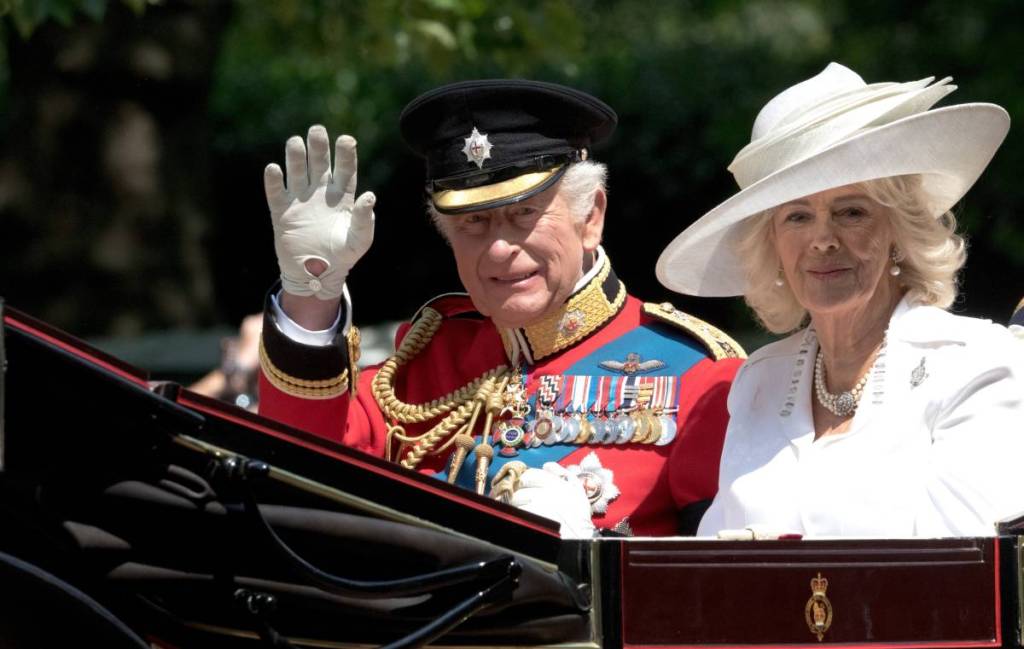

King Charles III and Queen Camilla will not take up residence in Buckingham Palace once its extensive £369 million refurbishment is completed next year.
Instead, the couple will continue living at Clarence House, marking a notable shift from long-standing royal tradition.
Buckingham Palace has served as the official London residence of the British monarch since 1837.
However, despite the completion of a decade-long renovation project scheduled for March 2027, it will remain primarily an administrative and ceremonial hub rather than the King’s home.
Why the King is staying at Clarence House
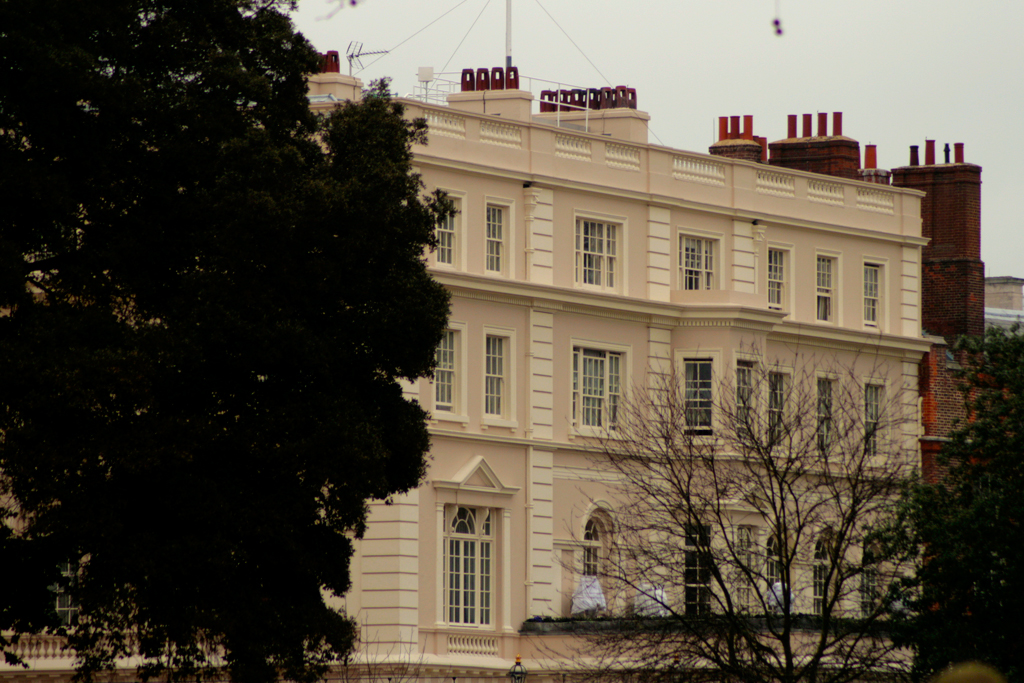
The decision reflects both practical and personal considerations. King Charles, who has lived at Clarence House since 2003, is understood to prefer remaining in the residence he has long called home.
At their current stage in life, both the King and Queen are said to be reluctant to undertake the disruption of relocating themselves and their staff to the much larger Buckingham Palace.
There are also logistical and security factors at play. Officials suggest that having the monarch in residence at Buckingham Palace would significantly limit public access, reducing the number of visitors and restricting which areas could be opened.
Allowing more public access to Buckingham Palace

One of the key motivations behind the move is to allow greater public access to the historic landmark.
Buckingham Palace already opens its State Rooms to visitors during the summer and selected dates throughout the year, with proceeds supporting the Royal Collection Trust.
Without the King living there full-time, the palace could potentially extend opening periods and increase visitor capacity, generating additional revenue and enhancing public engagement with the monarchy’s heritage.
Despite not residing there, King Charles will continue to use Buckingham Palace for official duties.
These include state banquets, garden parties, receptions, and formal meetings with the Prime Minister and foreign ambassadors.
A palace spokesperson emphasised that the monarch retains “huge affection” for the building, describing it as a “buzzing hive of royal activity” that will remain central to royal operations.
Buckingham Palace will go through a £369 million refurbishment and modernisation
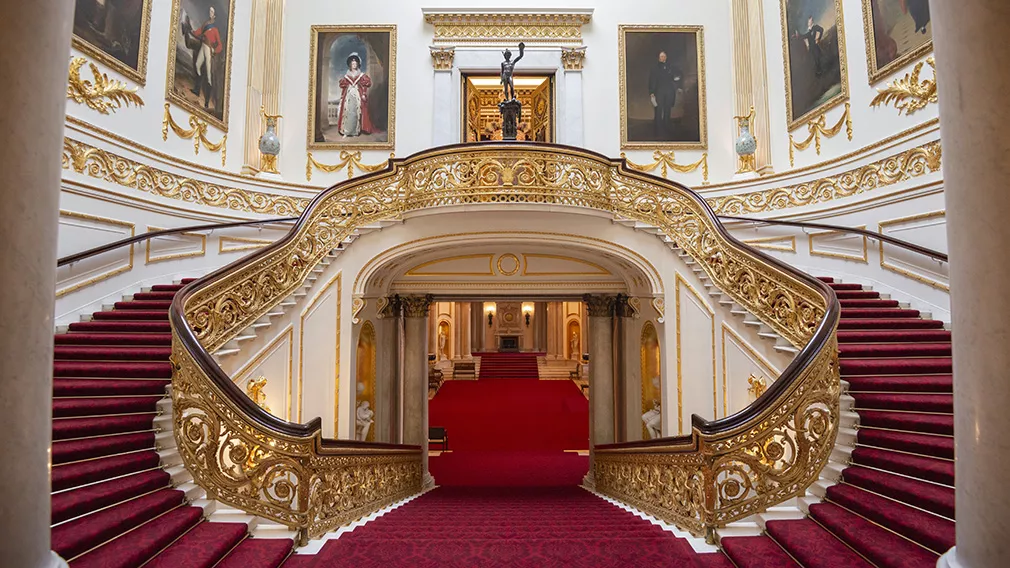
The renovation project, funded through a temporary increase in the Sovereign Grant, has focused on essential infrastructure upgrades.
Ageing wiring, plumbing, boilers, and cables, many untouched for over six decades are being replaced to prevent risks such as fire and water damage.
The overhaul is part of a broader effort to modernise royal residences, with additional funding allocated to improve cyber security and install energy-efficient systems. For example, £11 million has been earmarked to replace outdated boilers at Windsor Castle.
The decision not to reside in Buckingham Palace has sparked criticism from some quarters. Republican campaigners and critics of royal funding argue that if the palace is not used as a home, it should be fully opened to the public year-round, with all ticket revenues directed to the Treasury.
A break from Royal tradition

Historically, Buckingham Palace has been closely associated with the monarchy’s public image. Queen Elizabeth II lived there for much of her reign, and it was central to both her official and personal life.
King Charles’s decision marks the first time since Queen Victoria that a monarch has chosen not to reside at the palace. While it remains the ceremonial heart of the monarchy, its role is clearly evolving in response to changing times.