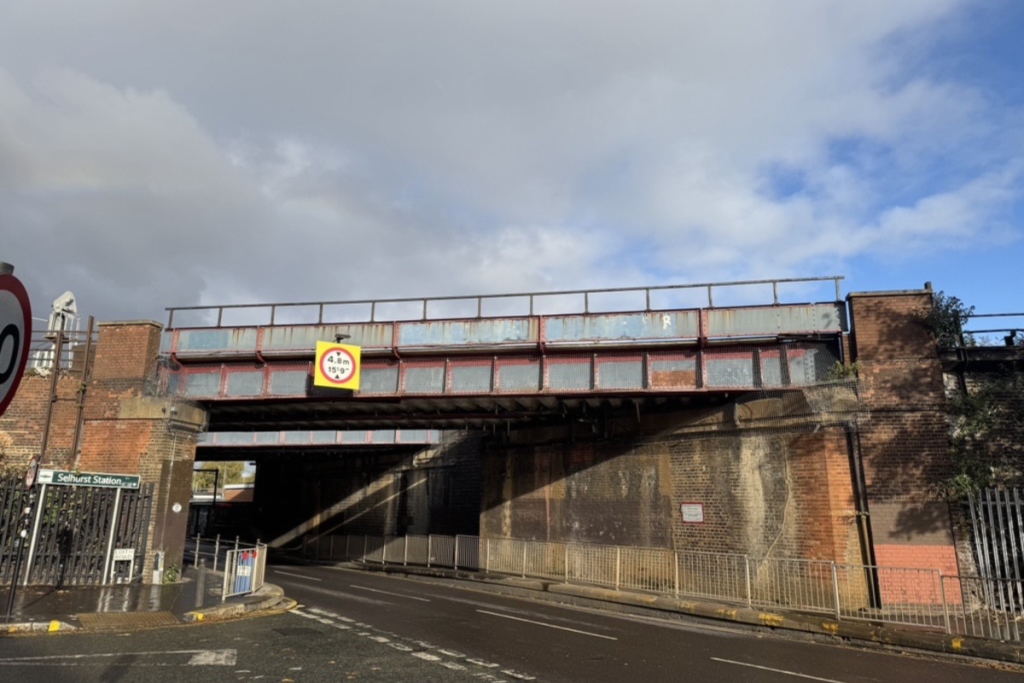

Having been transporting trains across a busy road in south London for around 165 years now, the iconic Selhurst railway bridge in – you guessed it, folks – Selhurst has sadly reached the ‘end of its serviceable life’. Network Rail has announced that the Victorian-era bridge will need to be removed and replaced in what is set to be a ‘significant engineering project’. And in order for the work to be carried out safely, a month-long closure will be in place on the road below the bridge.
Selhurst Road beneath the railway bridge will be completely closed to vehicles and pedestrians from 8am on Saturday, December 12 until 5pm on Sunday, January 10. The adjoining Edith Road will also be closed to vehicular traffic during this period, but will still be accessible to pedestrians.
During the planning stages of the project, underground utility pipes were identified beneath the road. This means that a conventional heavy-lift crane can’t be used to safely install the new bridge, Instead, engineers will remove the existing bridge and install an entirely new structure using remotely-controlled vehicles called Self-Propelled Modular Transporters (SPMTs). These specialist vehicles are designed to move extremely heavy structures safely and precisely. And this alternative construction method means that the road will need to be closed for longer.
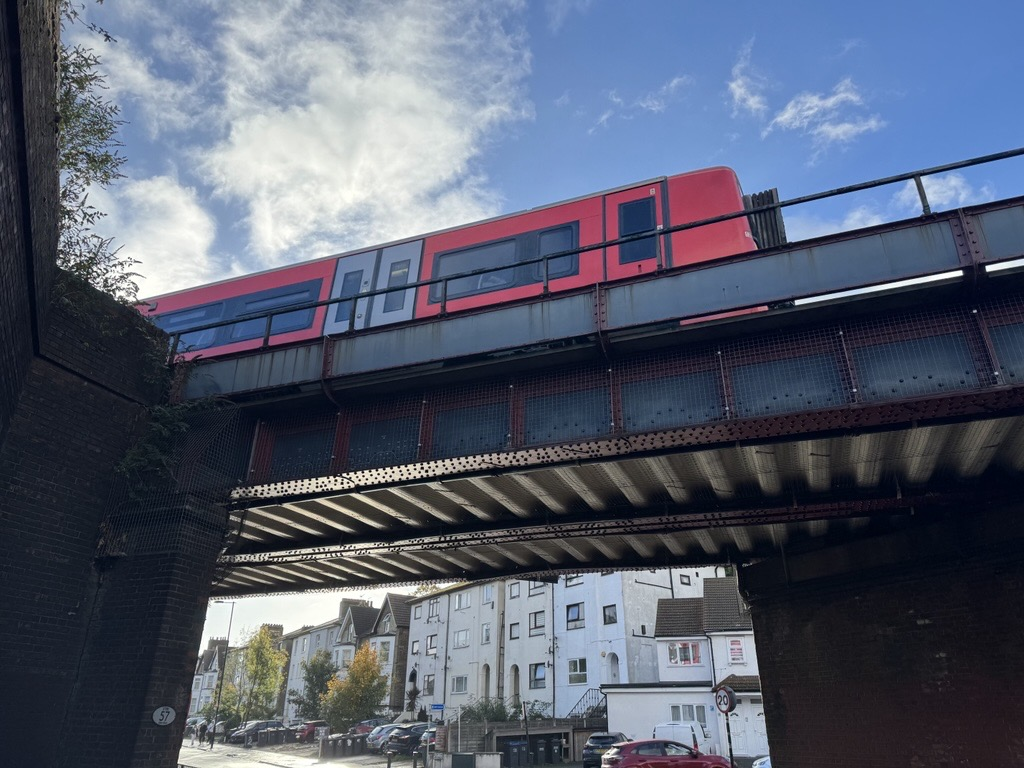
The work has been scheduled over the Christmas and New Year period to reduce disruption. Road traffic and rail passengers numbers are both typically lower at this time of year, meaning that overall impact on the travelling public will be kept to a minimum.
Lucy McAuliffe, Sussex Route Director for Network Rail, said: “We have carried out multiple repairs to the Selhurst Road railway bridge, but it has now reached the end of its serviceable life and needs to be replaced. We will assemble the new bridge on site and then move it into place between 27 December and 2 January.
“We recognise the impact the works will have on residents, businesses, road uses and our customers and apologise for the inconvenience caused. Wherever possible, we will minimise noise and disturbance and will provide advance notice of particularly disruptive activities.”