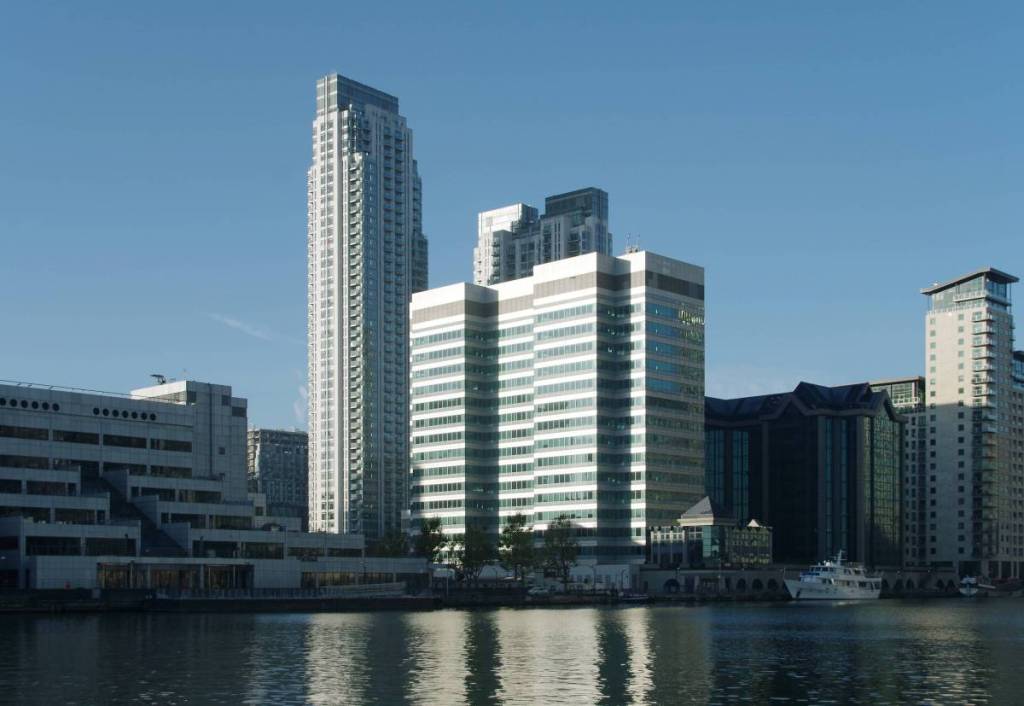

Tower Hamlets Council is set to convert four Canary Wharf office buildings into 180 temporary homes, in a bid to keep homeless families in the borough rather than moving them miles away from their schools, jobs and support networks.
Tower Hamlets Council to convert Canary Wharf offices into 180 flats
The East London authority has approved plans for 191, 193, 195 and 197 Marsh Wall, near South Quay DLR station.
The former commercial buildings are expected to become 167 two-bedroom flats and 13 three-bedroom homes for local families in temporary accommodation.
Why the council is doing it
Tower Hamlets currently provides temporary accommodation for around 3,100 households, including about 2,700 families.
The council says homelessness demand in the borough is rising by roughly 11 per cent each year, putting increasing pressure on both housing supply and budgets.
The scheme is intended to reduce the council’s reliance on costly nightly-paid accommodation and out-of-borough placements.
Council papers say the conversion could enable up to 180 families currently housed outside Tower Hamlets to return to the borough.
Executive Mayor Lutfur Rahman said: “Every family deserves a safe and secure place to live close to their communities, schools and support networks.” He added that bringing the buildings into council use would create around 180 family-sized homes and help reduce dependence on expensive nightly accommodation.
The council’s Cabinet approved the proposals on Wednesday, October 21. The decision authorises officers to finalise negotiations and lease terms, secure an independent rental valuation, appoint consultants and contractors, and begin preparatory work on the conversion.
Canary Wharf offices to become homes for homeless families
The four buildings sit in Thames Quay on Marsh Wall and were previously used as offices, including by Lyca Mobile. The council plans a 10-year lease, with funding proposed through General Fund borrowing.
While the council says the scheme offers major social benefits, it is not expected to be cheaper than its current temporary accommodation arrangements.
Council documents acknowledge that the 10-year lease will cost more than existing temporary accommodation costs, and that the project carries financial risk.
The authority says it believes the investment is justified by the wider benefits of keeping families local: children staying near their schools and friends, and residents remaining close to work, healthcare and family networks.
Cllr Abu Talha Chowdhury, cabinet member for finance, assets and governance, said councils across London were facing “unprecedented pressures” from rising homelessness and temporary accommodation costs. He described the plan as a way to make strategic use of existing buildings while delivering better value for residents.
The move reflects a growing problem across London, where councils have increasingly struggled to find affordable temporary housing within their own boundaries.