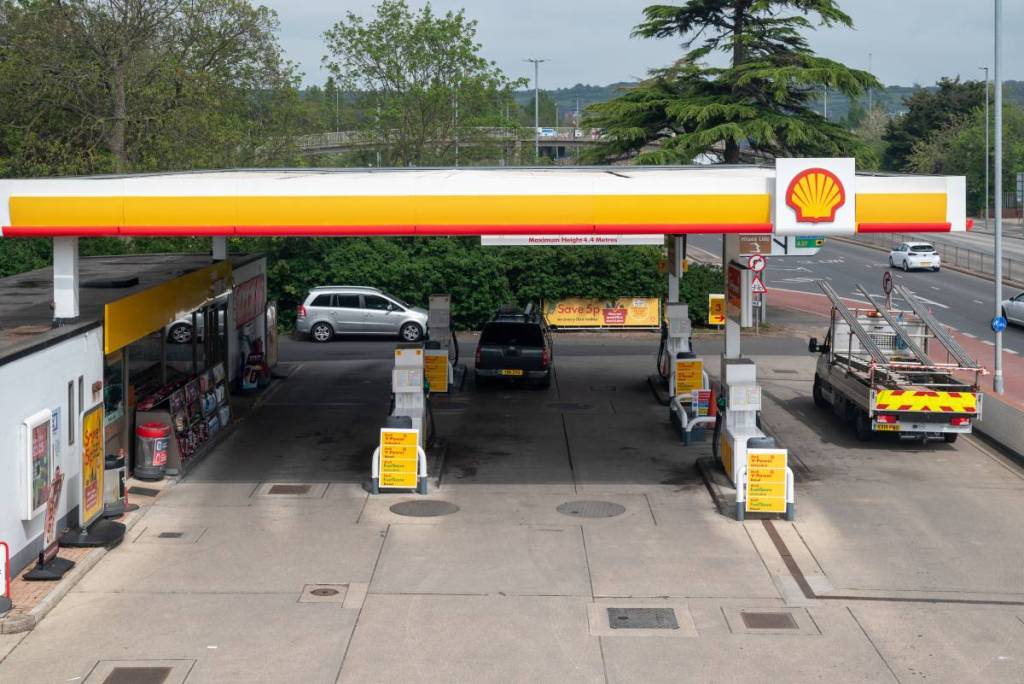

London drivers can compare petrol and diesel prices at nearby forecourts on Google Maps for the first time, making it easier to find a cheaper place to fill up.
The new feature went live across the UK on Thursday, October 8, as fuel prices continue to rise.
Drivers can search for “petrol” or “fuel” on Google Maps to see nearby stations, their available fuel types and the latest prices displayed on the map.
The information comes from the Government’s Fuel Finder scheme, which requires petrol stations to report any change in their pump prices within 30 minutes. The Government says the database now covers around 99% of all fuel sold on UK roads.
How to check fuel prices on Google Maps
Drivers can use the feature by:
- Opening Google Maps.
- Searching for “petrol”, “diesel” or “fuel”.
- Selecting a nearby forecourt.
- Comparing the prices shown for the available fuel types.
- Choosing whether the saving is worth the extra distance.
Prices are described as near real-time, rather than a guarantee of the exact amount displayed on the pump when a driver arrives.
Google says it will only show a price when it has a high level of confidence that the information is accurate.
The feature is also available on Waze, where fuel prices can be viewed while planning or navigating a journey. The data is already used by services including Petrol Prices, the AA, Confused.com and RAC Fuel Watch.
The update arrives as petrol and diesel prices approach record levels
According to figures from the RAC cited in reports, the average price of diesel reached 200.11p per litre on Wednesday, while petrol stood at 174.89p per litre. Diesel had passed its previous record earlier in the week, when it reached 199.18p per litre.
The rise has been linked to disruption to global fuel supplies, including the impact of conflict in the Middle East and reduced diesel exports from Russia.
With motorists facing higher costs, the Government estimates that households with a car could save around £40 a year by comparing fuel prices.
Polly Billington, the minister for energy consumers, said making fuel prices easier to compare would help families and businesses manage rising costs.
“Accessing the cheapest fuel should be simple,” she said, describing the arrival of near real-time prices on Google Maps as a “game-changer”.
The AA also welcomed the update. Its president, Edmund King, called the move a “massive step forward”, arguing that clearer pricing could encourage greater competition between forecourts.
The hope is that cheaper stations will become easier to identify, rather than drivers automatically stopping at the nearest or most familiar filling station.