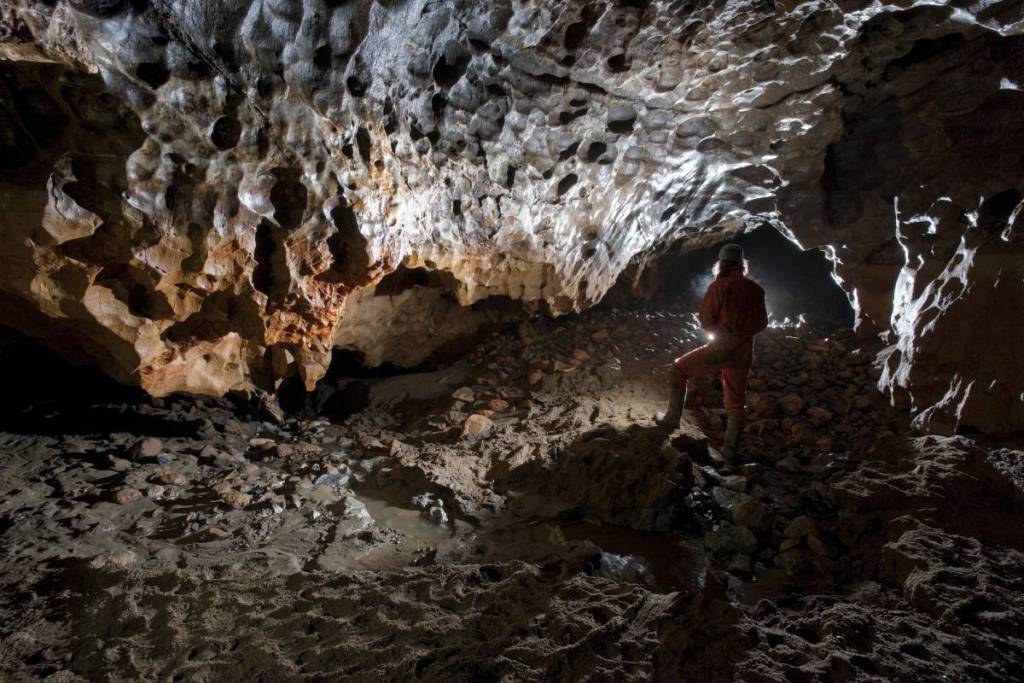

Beneath the ordinary streets of Mitcham, Beddington and Sutton lies a little‑known cave system that has inspired decades of local legend.
Where the caves are — and how people found them
The best‑known of these underground spaces are the Beddington Caves, historically referred to as the “robbers cave” near Plough Lane (close to the Plough Inn pub) in what was once Mitcham and is now part of Beddington.
Local accounts describe the original entrance as a narrow hole “no larger than a fox’s burrow” set in a steep sandy bank opposite the pub, which opened out into larger tunnels and even a spacious “hall” big enough for a small banquet.
Residents who explored the caves as teenagers in the 1960s and 70s remember scrambling down into the opening among brambles, playing in the tunnels, and then finding them suddenly sealed by the council for safety reasons.
Historical notes also record three main entrances cut into the Thanet sand face opposite The Plough, with a further airshaft; all were blocked up in the early 1930s after the site was deemed unsafe.
A network of caves used by smugglers, pirates and a 50‑mile tunnel to Brighton
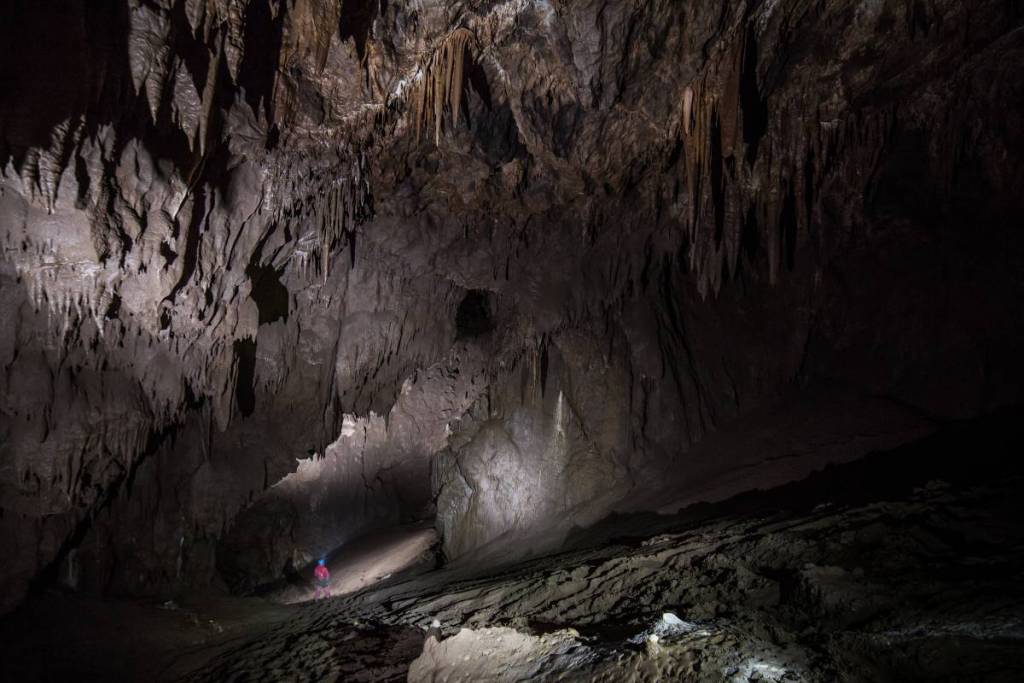
Folklore around the caves is vivid. Stories circulated that smugglers and even pirates used the tunnels to haul barrels of rum, boxes of tobacco, lace and other contraband from the coast straight to London’s wealthy buyers, dodging import duties.
Some versions of the tale claim the network stretched an astonishing 50 miles from South London to Brighton, passing under towns such as Sutton and Croydon.
Local oral history added colour: in the 1920s an elderly parishioner, Mr Roffey, told the vicar about donkey trains moving smuggled goods at night across the downs into Beddington, with caches hidden in the caves.
The caves’ proximity to the Plough Inn also fed speculation that the landlord used them as a cool, dark cellar for storing alcohol – a practical use that easily morphed into smuggling lore.
Other legends attached the tunnels to grander historical narratives. One theory proposed a Roman escape route from the nearby Beddington Villa; another linked the system to Nonsuch Park and the Tudor palace that once stood there, or to historic houses like Carew Lodge and Beddington Manor.
What investigations and records actually say about the Beddington Caves
Despite the colourful stories, documentary and geological evidence points to a more prosaic origin.
The caves do not appear in historical records until the 1860s, which undermines claims of Roman or Tudor origins and makes centuries‑old smuggling tunnels unlikely.
An anonymous article in an 1880 issue of the Croydon Review and Timetable described the caves as “shudderus” and noted the Brighton rumours, but the writer concluded there was “nothing very remarkable about them” after personal exploration.
The London Spelaeological Society inspected the tunnels in 1940 and judged them most probably the result of sand mining rather than long‑distance smuggling passages.
A later inspection by the Chelsea Spelaeological Society in 1968 found little trace of the mines remaining, further indicating industrial extraction rather than an elaborate secret network.
What you can see (and not see) today at Beddington Caves
Today the Beddington Caves are closed and blocked off, with access restricted for safety.
Occasional roof falls and local reminiscences keep the story in circulation, but there is no public entrance or guided access comparable to Kent’s Margate Caves or Hampshire’s St Clements Caves (Smugglers Adventure).