
On the edge of the South Downs, where the A272 and A283 cross in West Sussex, there’s a compact market town that feels timeless.
Narrow, cobbled streets wind past centuries‑old buildings draped in wisteria, while antique shops and independent boutiques spill onto pavements. At the town’s edge, a vast deer park sweeps down to a grand 17th‑century mansion, its rooms filled with Old Masters and elaborate woodcarvings.
Named one of the best places to live in the South East with a National Trust showpiece at its heart
This is Petworth, a place that regularly appears in “best places to live” lists, praised for its heritage, community and access to the Downs, even as its narrow centre can snarl with traffic on busy days.
It’s also known as the antiques centre of the South, with more than 30 dealers ranging from high‑end curated spaces to sprawling multi‑seller markets.
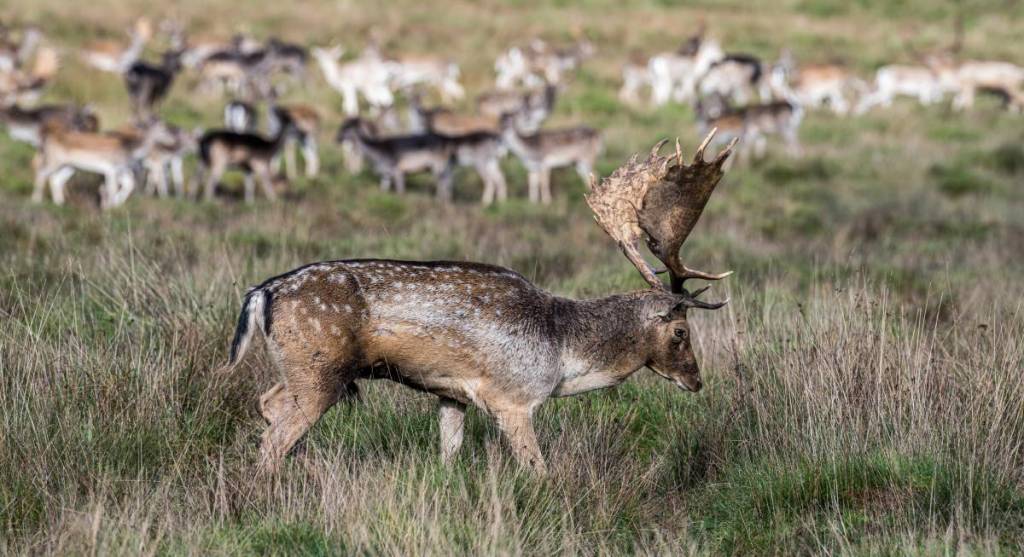
The grand house and its deer park home to one of England’s largest herds of fallow deer
Petworth’s centrepiece is a Grade I listed mansion rebuilt between 1688 and 1696 by Charles Seymour, 6th Duke of Somerset, and now owned by the National Trust.
Inside, it holds one of the Trust’s largest collections of paintings and sculptures, including more than 600 works and a notable group of J.M.W. Turner paintings inspired by the estate.
The house also boasts elaborate Grinling Gibbons woodcarvings and a significant Grand Tour statuary collection still in its original setting.
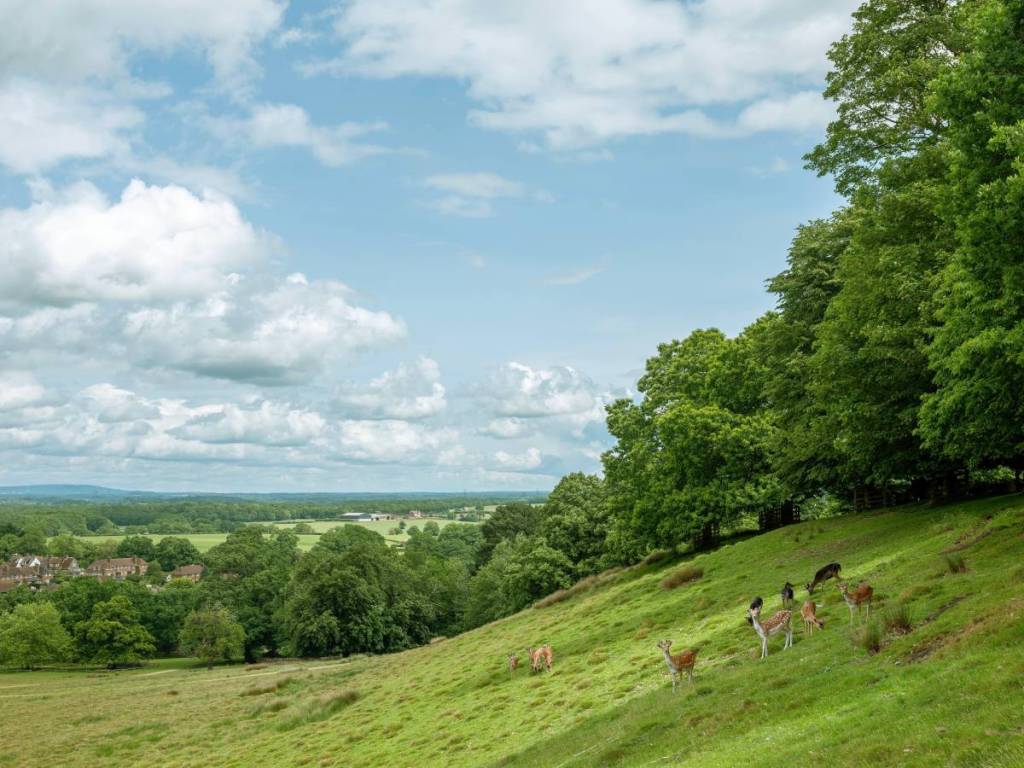
Outside, the 700‑acre park was landscaped in the 18th century by Lancelot “Capability” Brown and is home to one of England’s largest herds of fallow deer.
While entry to the house requires a ticket, the deer park is free to visit during opening times and offers walking routes through open grassland, woodland and designed vistas.
Petworth is also known as the antiques centre of the South
Chair O Ride at the Petworth Fair in a town square, with a road closed and diversion.
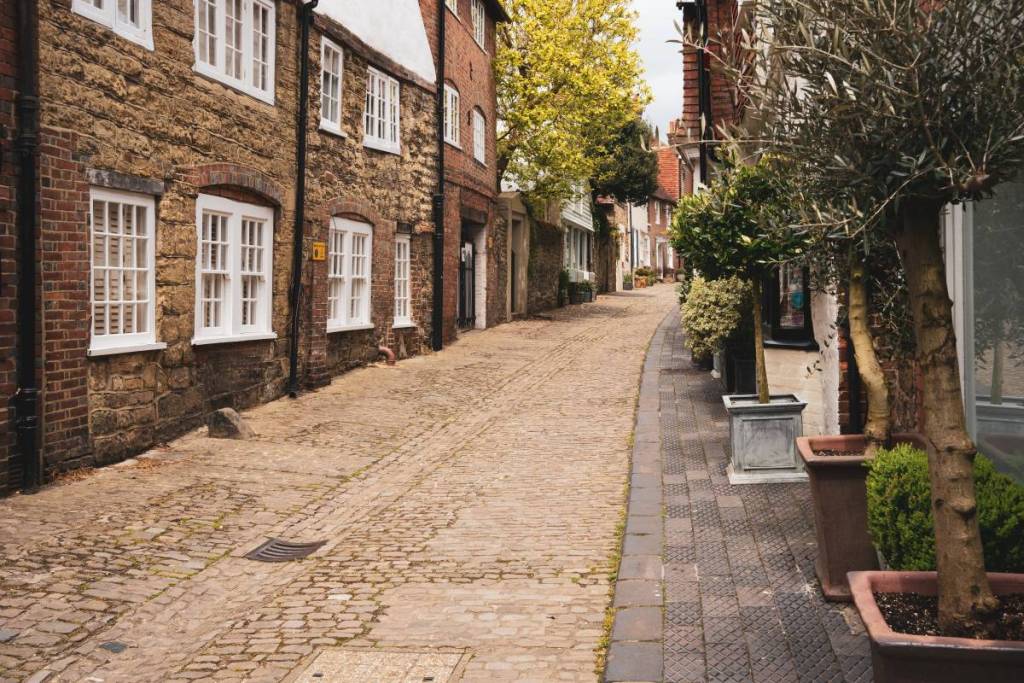
The compact centre is defined by narrow, often cobbled streets lined with historic buildings, many draped in wisteria in summer.
Lombard Street, with its medieval feel, is a particular highlight for photography and window‑shopping.
Beyond antiques, you’ll find independent boutiques, artisan craft shops (including a well‑regarded craft barn on the edge of town), cafés and pubs that lean into the town’s upmarket, country‑chic vibe.
For its size, the town has a strong food scene, from traditional country pubs to restaurants with Green Michelin recognition.
The monthly farmers’ market (every fourth Saturday) focuses on local producers within a 40‑mile radius and is a good stop for picnic supplies or pantry treats.
In summer, the estate and town host events such as open‑air concerts and a music and arts festival, while the historic fair brings fairground rides and stalls to the main square in early winter.
It was named one of the best places to live in the South East by the Sunday Times, praised for its heritage, community and access to the Downs.