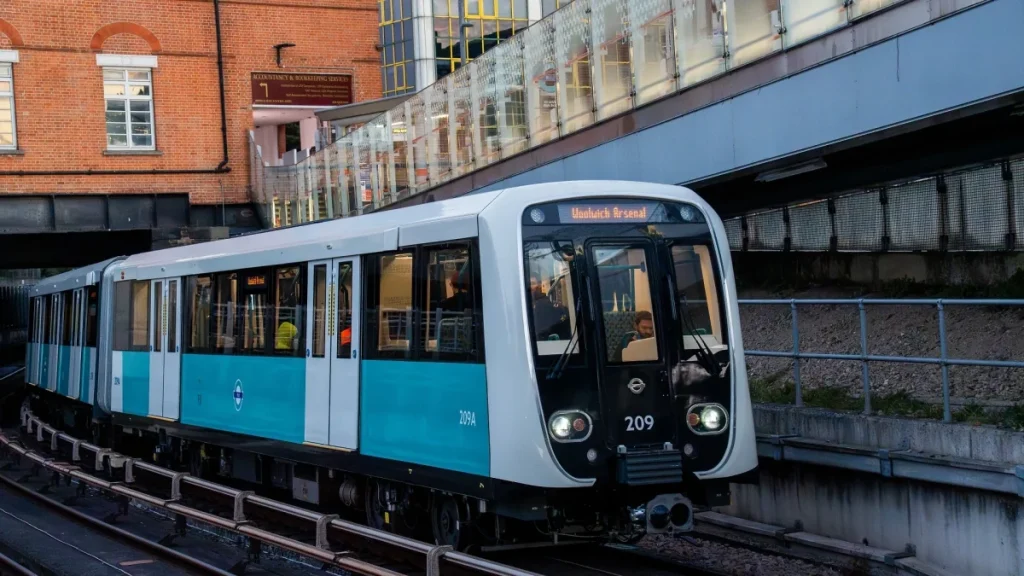

Having been held at a couple of metaphorical red signals over the past few years, the shiny new fleet of DLR trains is now officially ready to get back on track. The state-of-the-art vehicles chugged into London last October (following some previously delays), but were pulled out of service shortly after due to a wet weather braking issue on one of the trains.
Transport for London decided to withdraw the entire fleet in order to complete a ‘comprehensive programme of modifications, testing and assurance’. And now that the rigourous safety tests and necessary modifications are complete, TfL will now gradually start introducing the new trains back into service.
The 54 new trains have been designed by Spanish company, Construcciones y Auxiliar de Ferrocarriles (or CAR, for short), and feature spacious walk-through carriages, real-time travel information, phone charging ports, air-conditioning, and an increased passenger capacity (around 10%).
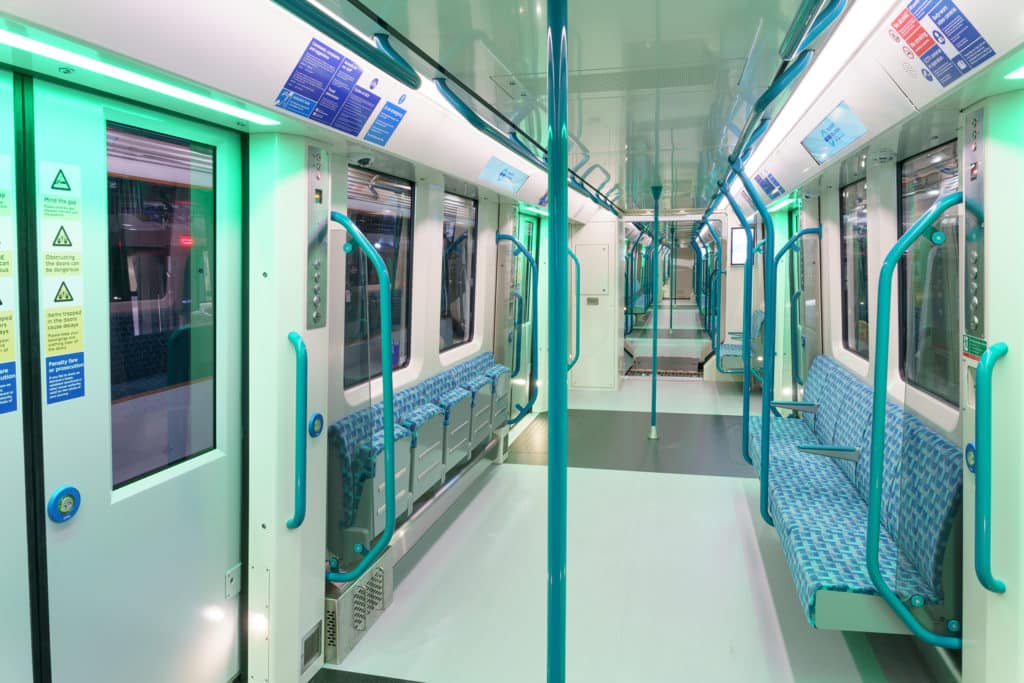
Modifications that were made include braking system alterations and the installation of grip-improving equipment. The first of these new trains reentered service yesterday (September 8), and the remaining 53 of them will be introduced in due course. If you want to hop aboard one of the vibrant new vehicles, your best chance of doing so is reportedly on the route that runs between Stratford and Woolwich Arsenal.
Stuart Harvey, Chief Capital Office at TfL, said: “We’re please that the first of our new DLR trains has returned to customer service following the completion of a thorough programme of modifications, testing and assurance.
“Safety is always our top priority, and we took the decision to remove the trains from service as a precaution while we worked with CAF to investigate the issue and implement a solution.
“I apologise for the delay in reintroducing the trains but am pleased this marks an important milestone in delivering a modern new fleet for the DLR. As we begin the phased reintroduction of the trains, customers will start to benefit from more spacious and accessible journeys, while we continue to monitor performance and introduce further trains into service.”