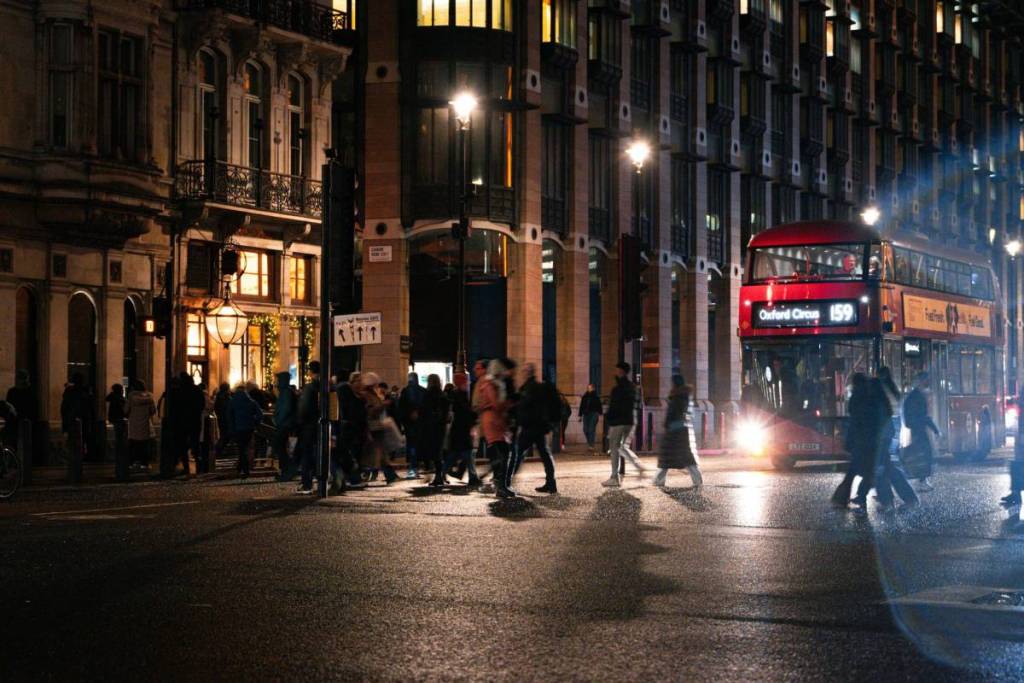

“Share your location”, “Stay on the phone”, “Text me when you get home”.
If you’re a woman in London, you’ve probably said or heard all three, especially once the evening starts drawing in. And when the clocks go back this Sunday, the dark will arrive an hour earlier, along with that familiar mental checklist: fastest, best-lit route home, who to call, and whether staying out for the extra hour is really worth it.
UN Women UK’s Right to Move campaign aims to help women move through public spaces with confidence, rather than caution and fear. Now in its third year, it offers practical advice on how to respond when you witness harassment, from unwanted comments to physical intimidation. Its message is simple: feeling safe shouldn’t depend on daylight, and keeping women safe is everyone’s responsibility.
What is Right to Move?
Right to Move is part of UN Women UK’s Safe Spaces Now programme, which works with local authorities, transport providers, event organisations and others to make public spaces across the UK safer for women and girls.
According to UN Women UK, over 70% of women in the UK have experienced sexual harassment in public spaces, and the vast majority never report it.
This is an issue that London is beginning to tackle at a city level too. Last month, the Mayor of London announced a £15.6 million fund to make public spaces safer for women and girls, with London boroughs able to apply for money for improvements such as better lighting, better CCTV, and fewer blind spots in parks and streets.
Alongside changes like these, Right to Move focuses on educating people on more immediate changes: knowing how to step in, safely, when we witness harassment.
The three steps to know
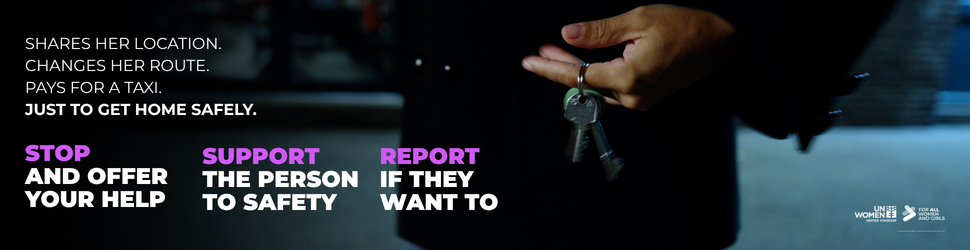
Whether it’s catcalling, unwanted comments or physical intimidation, doing something is better than doing nothing. The campaign centres on a simple framework called Stop. Support. Report.
Stop: Offer help if it’s safe to do so. Focus on the person being targeted, not the person doing the harassing. The goal is to shift the power dynamic and show them that they’re not alone, and making eye contact could be all it takes.
Support: Help the person feel safe and ask them what they need. You could offer to walk them to the nearest station, wait with them until their bus arrives, stay with them while they contact a friend. What feels supportive to them might be different from what you’d want yourself, so it’s important to follow their lead.
Report: Offer to help report the incident, if they want to. Many people don’t want to report harassment because they feel nothing will change, but reporting can help identify repeat offenders and protect others. But let them come to their own decision, and respect their choice.
How to help safely
The guide suggests distracting from the situation, for example by asking for directions, dropping something nearby or striking up an unrelated conversation. If you don’t feel comfortable stepping in yourself, you can ask for help from staff or security for help, or alert a bus driver or another bystander. And if the moment has passed, check in with the person afterwards to make sure they’re okay.
If it isn’t safe to intervene directly, you’re not powerless. Noting down the time, location, and details of what happened can help if they do decide to report later. And it isn’t just public spaces you can help in. Calling out harmful behaviour amongst friends, like if a friend brushes off catcalling as “just a compliment”, can make a difference too.
Not sure what to say? The guide suggests asking: “Hey, I saw what happened – are you okay?” “Would you like me to stay with you?” “Would you like me to call someone?”
The key is to respect their boundaries, and let them decide what support they want. Don’t pressure them into anything they’re not ready for – your role is to reintroduce safety and choice.
Know where to turn for help
If you believe someone’s life is in danger please call 999 immediately.
Text 61016 to contact British Transport Police about an incident on public transport.
Call 101 for non-emergency police matters.
At a venue or event, staff and security usually have safeguarding or welfare procedures in place. And in parks, streets, or public buildings, contact your local authority’s community safety team.
How to get involved
One Sunday 25 October, women can share their own answers to “If I felt safe after dark, I would…” using #StopSupportReport and tagging @UNWomenUK. The responses are ordinary things: going for a run after work, walking home instead of paying for a cab, taking a shortcut through a park. These are freedoms that most women are forced to give up as it gets dark.
Men can get involved, too, by signing the campaign’s open letter, pledging to step in when they see harassment in public. And everyone can download the UN Women UK’s free Ally Action Pack, which has the full framework, scripts for what to say, and more practical ways to help make public spaces safer.