
In a historic shift for British currency, the Bank of England has announced that wildlife will replace historical figures on the next generation of banknotes and the public will play a key role in choosing which animals grace the designs.
The move marks the end of an era that began in the 1970s, when the likes of William Shakespeare, Jane Austen and Alan Turing became familiar faces on the nation’s money.
Instead, the new series will feature species native to the UK, celebrating the country’s landscapes and biodiversity while strengthening the notes’ resistance to counterfeiting.
“The key driver for introducing a new banknote series is always to increase counterfeit resilience,” explained Victoria Cleland, the Bank’s Chief Cashier. “But it also provides an opportunity to celebrate different aspects of the UK.”
A celebration of nature on UK’s banknotes
According to the Bank, nature proved the most popular theme among 44,000 responses in public consultations and focus groups.
Around 60% of people chose it as their preferred theme – well ahead of architecture, arts, or notable historical figures.
The renewed focus will also align Bank of England designs with those already circulating in Scotland, where notes featuring red squirrels, ospreys and otters have been warmly received.
A panel of experts including wildlife filmmakers Gordon Buchanan, Miranda Krestovnikoff, and Nadeem Perera will draw up an initial shortlist, joined by Ulster Wildlife’s Katy Bell and academics Steve Ormerod and Dawn Scott. Once finalised, that list will be put to a nationwide vote this summer.
“The wildlife of the UK is not separate from our culture,” said Perera. “It sits in our football crests, our folklore, our coastlines and our childhoods. Giving it space on something as symbolic as our currency feels both overdue and significant.”
The decision also puts to rest years of debate over representation on Britain’s money. In 2013, the Bank faced backlash for the absence of women (besides the monarch) and for never featuring a figure from a Black or ethnic minority background.
King Charles III will continue to appear on the front of notes, following a custom dating back to 1960. But the back will now shift from portraits to panoramas – potentially featuring animals alongside plants, landscapes and other natural elements.
A new look for the pound
It will be several years before the new designs enter circulation, but the Bank hopes they’ll be as visually striking as they are symbolic.
The team may take notes from international successes, like Bermuda’s vibrant $5 currency, which recently won a design award for its fusion of marine life, flora and royal imagery.
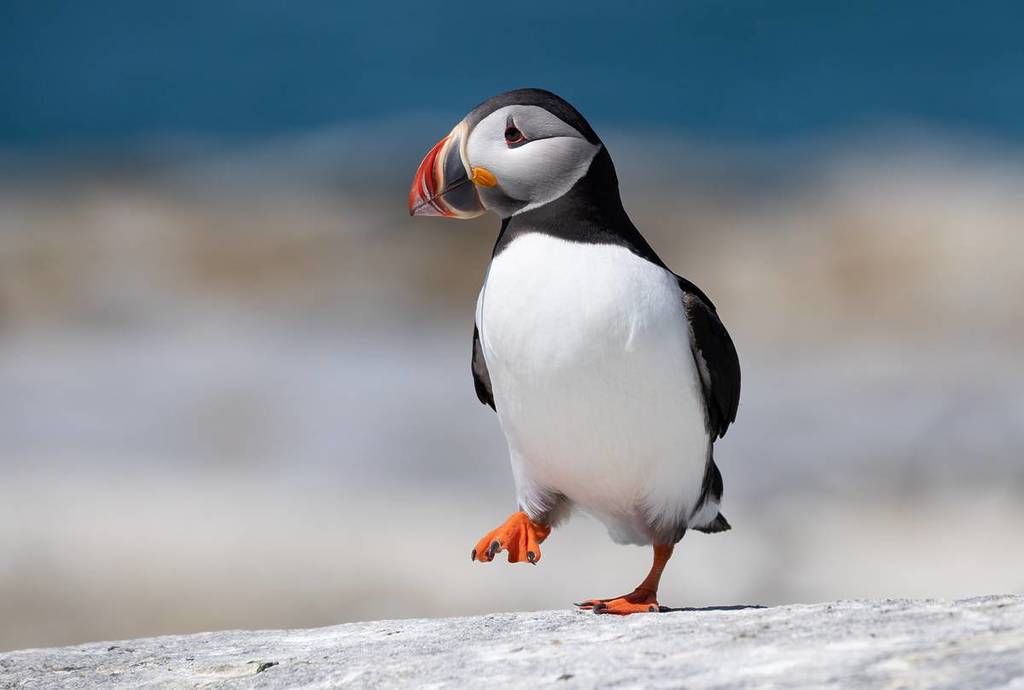
For now, the British public has the final say. Whether the red fox, puffin, hedgehog or swallow makes the cut, the next chapter of the pound promises to pay tribute to something centuries older than any historical figure – the enduring wildlife of the British Isles.