
The UK has decisively voted against a social media ban for under-16s. MPs voted 307 to 173, with a majority of 134, yesterday (Monday, March 9) against proposed changes to the Children’s Wellbeing and Schools Bill, brought forward by Conservative peer and former minister John Nash.
Australia became the world’s first country to ban social media for children under-16s last December, while France voted to ban social media use by under-15s in January, and Spain announced its plans to ban social media for under-16s in February. Yet despite the UK government’s rejection this time, a ban may still happen.
Labour’s Olivia Bailey announced that the government launched a consultation last week to “ensure children can grow up with a safer, healthier and more enriching relationship with the online world”—asking whether social media platforms should have a minimum age or switch off addictive features like autoplay.
An alternative proposal could also see Science Secretary Liz Kendall “restrict or ban children of certain ages from accessing social media services and chatbots.” This future amendment would give her the power to limit children’s VPN use, change the age of digital consent, and limit specific “harmful or addictive” features.
Why the disagreement over a social media ban?
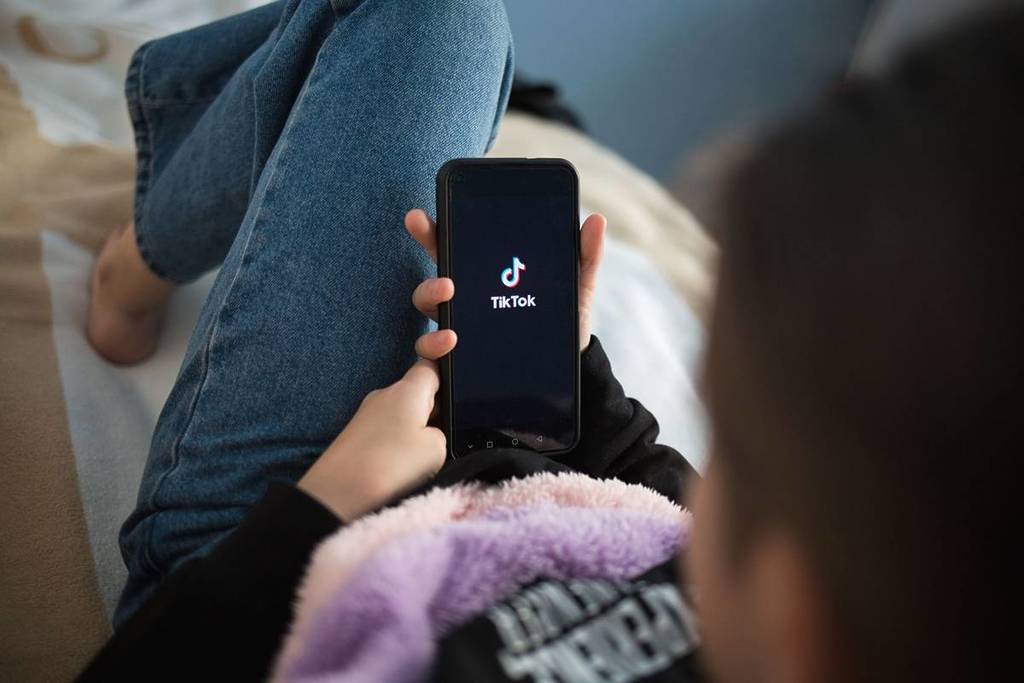
Many, including none other than Hugh Grant, have called for a ban on social media for under-16s, with concerns for its impact on teen mental health—linking it to rates of depression, anxiety, and low self-esteem. While others warn, like the children’s charity NSPCC, that a ban could push them into darker corners of the internet.
For the time being, the Children’s Wellbeing and Schools Bill will now return to the House of Lords for further consideration. If passed, the bill will introduce a ‘Children Not in School’ register, alongside new safety measures to “stop vulnerable children falling through cracks in services.”