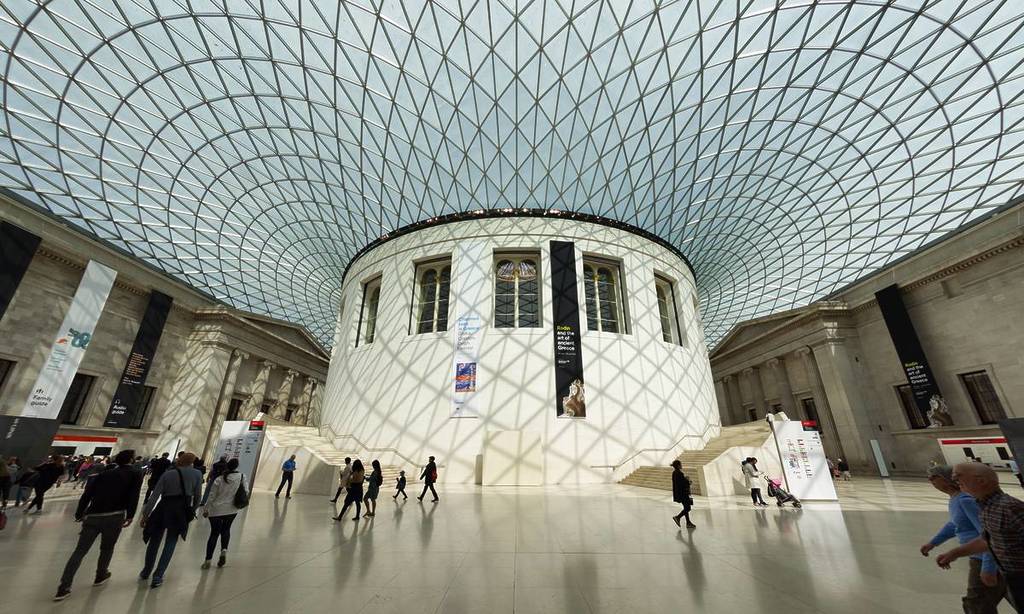

In a bid to boost the UK’s cultural sector, the government is reportedly exploring proposed plans that involve charging foreign tourists an entry fee to some of the country’s major museums and attractions.
These prospective plans come following an Arts Council England review in which Baroness Margaret Hodge suggested that it would be beneficial to begin limiting free entry into Britain’s national museums.
The vast majority of the London’s national museums and galleries are completely free to visit, and have been since 2001. The British Museum and the Natural History Museum are two of the most-visited attractions in the UK – and both of them could be subject to the new international tourist entry fees.
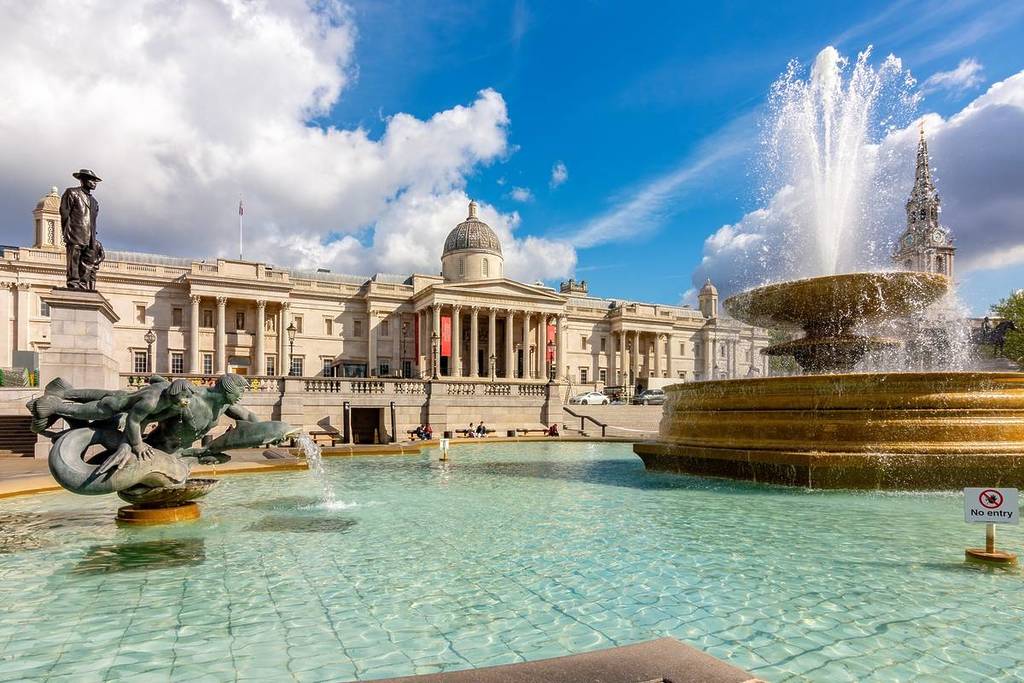
If these plans went ahead, digital IDs would need to be used to distinguish between national and international visitors. There is currently no information regarding when these new charges would come into effect or how much the entry fees would cost.
One of the very best things about London is the plethora of free things to do and abundance of accessible ways for international visitors to immerse themselves in culture and history. Supposedly around 43% of visitors to the UK’s major museums are tourists.
The government are apparently also taking into account other options to boost cultural funding. Introducing a hotel levy is another potentiatl option that’s being weighed up. Recent research by Art Fund revealed that 72% of the public support the prospect of a tourist tax being introduced.
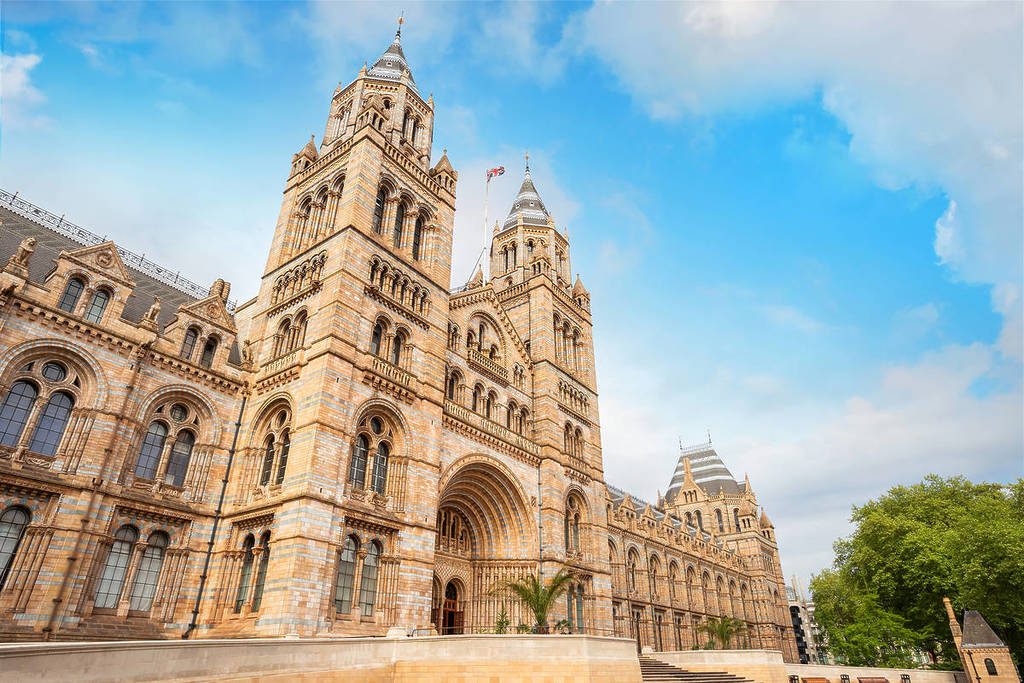
Baroness Margaret Hodge said: “We will work with the museum sector to explore the potential opportunities that charging international visitors at national museums could bring to support access to arts everywhere, and the timeframes for this.
“The government believes charging international visitors at national museums could provide significant benefits. It could underpin our commitment to ensure art and culture is accessible, representative and shared across the country, and support the long-term financial resilience of these organisations.”