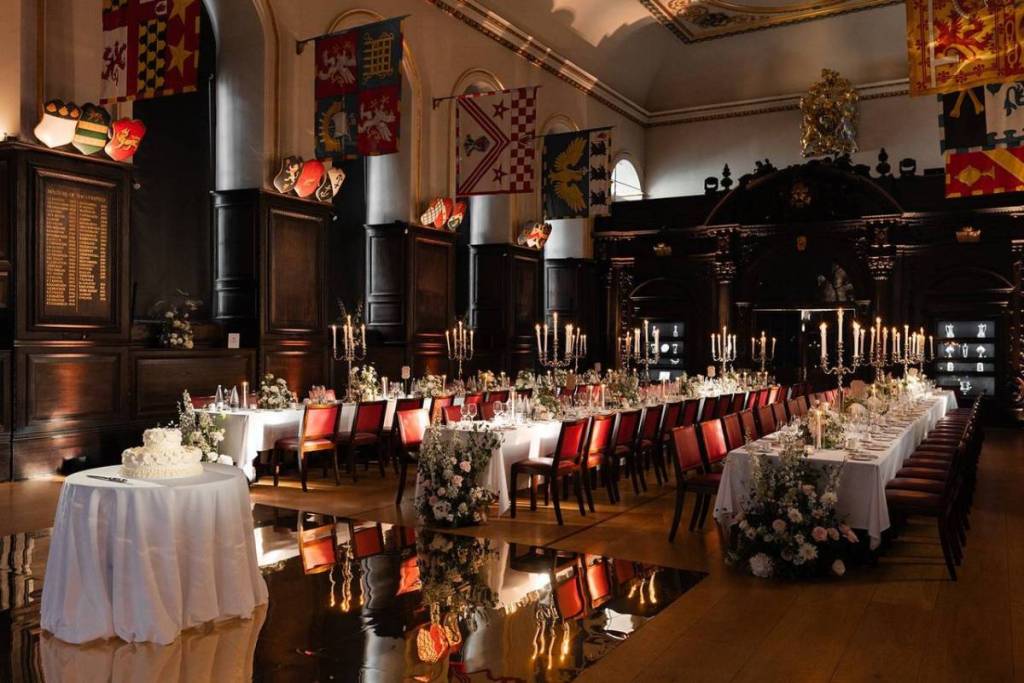

Tucked away on Ave Maria Lane, just moments from St Paul’s Cathedral, this remarkable livery hall sits quietly behind the busy streets of the City. There is little from the outside to suggest that it contains some of London’s most ornate historic interiors.
One of the city’s oldest livery halls near St Paul’s Cathedral will be open to the public for only two days
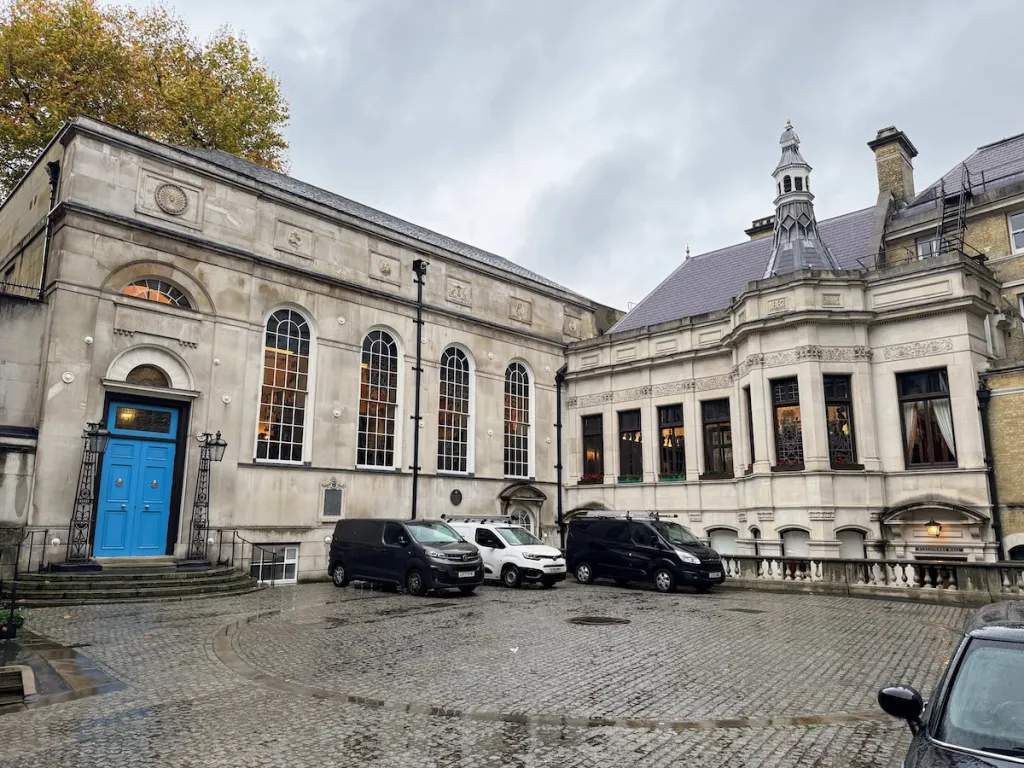
Only then does the building reveal itself: Stationers’ Hall is the home of the Worshipful Company of Stationers and Newspaper Makers.
An ancient organisation with deep connections to books, printing, publishing and communications. The building is Grade I listed and was completed in 1673, after the original hall was destroyed in the Great Fire of London. It contains three impressive interconnecting rooms, as well as a secluded garden
A 600-year history of books
The story of Stationers’ Hall begins before the age of mass printing.
In 1403, the Mayor and Aldermen of the City of London approved the formation of a Guild of Stationers.
Its members included scribes, illuminators, booksellers, bookbinders and suppliers of parchment, paper and writing materials. The name “stationer” referred to traders who operated from permanent, or “stationary”, stalls around St Paul’s Cathedral.
The company’s influence grew dramatically after William Caxton introduced printing to England in the 15th century.
In 1557, Mary I and Philip II granted the Stationers’ Company a Royal Charter, giving it powers over printing and publishing. The company could register new titles, investigate unauthorised works and seize pirated publications.
For centuries, Stationers’ Hall was therefore much more than a meeting place. It was at the centre of the book trade, helping to regulate who could print what at a time when printed material could be both commercially valuable and politically dangerous.
The company moved to the site of the present hall in the early 17th century, when it acquired Abergavenny House. That building was consumed by the Great Fire in 1666, along with much of the surrounding City. Work on a replacement began in 1670, and the new hall was ready three years later.
Inside the lavish Great Hall
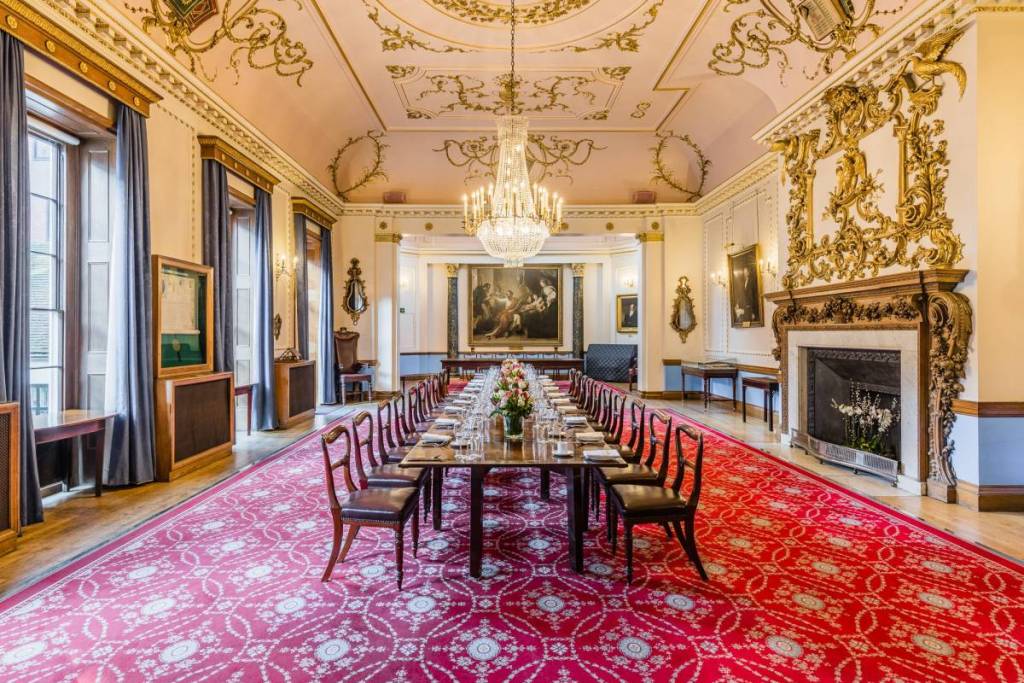
A guided tour offers the chance to explore rooms that most people only ever glimpse through photographs.
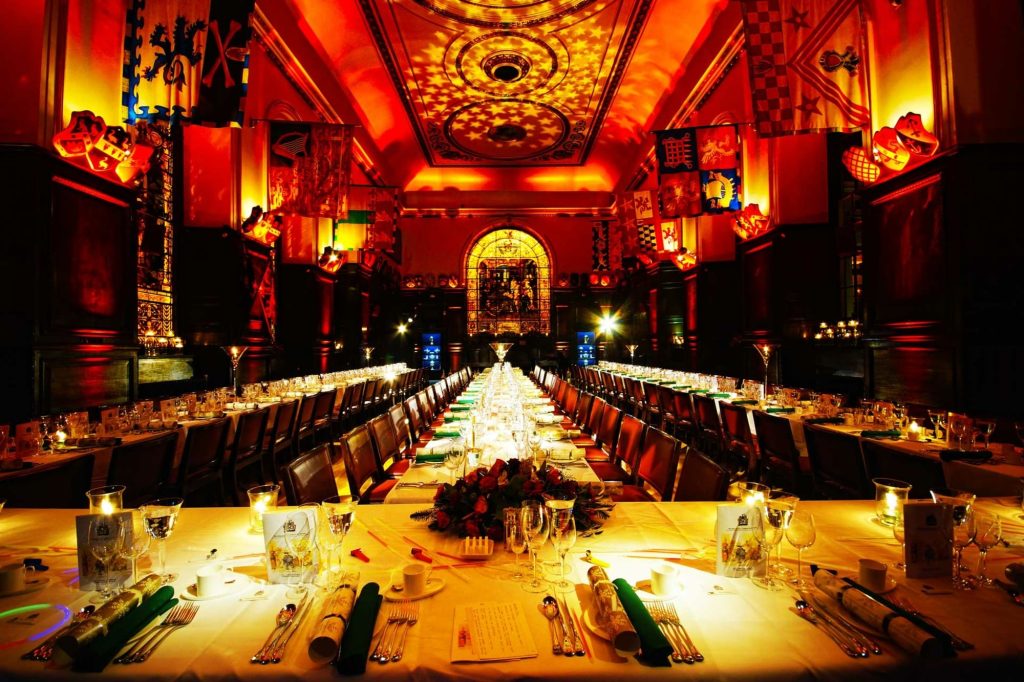
The Great Hall is the main attraction, with dark oak panelling, elaborate decorative details, historic banners and stained-glass windows. The room’s design reflects the company’s long relationship with printing and publishing, with books, presses and other references to the trade woven into its decoration.
Among the most striking features is the Caxton Window, which depicts William Caxton presenting his work to King Edward IV. Other windows celebrate important figures connected with writing, printing and religious texts, including William Shakespeare and William Tyndale. The result is part grand City dining room, part living history of the written word.
Visitors can also see the Court Room, where the company’s affairs have traditionally been managed, and the Stock Room, which recalls the Stationers’ historic control over a collection of publishing rights known as the English Stock.
The hall’s interiors are particularly remarkable because they have survived fire, redevelopment and wartime damage. Stationers’ Hall suffered serious damage during enemy action in 1940, but parts of the building were restored, including the Court Room and the ceiling of the Livery Hall.
A rare chance to look inside the Stationers’ Hall
Like many of London’s livery halls, Stationers’ Hall is primarily a private working building and events venue rather than a museum with daily public opening hours. That makes its public tours feel all the more special.
The Stationers’ Company now lists occasional guided tours, usually lasting around an hour. The next listed tour at the time of writing is on Monday 7 September 2026, from 11am to midday. The hall is also scheduled to open during London Open House on Sunday 20 September 2026, from 10am to 4.30pm.
Tours explore the history of the Stationers’ Company and its pivotal role in the book trade, while also revealing the architecture, artwork and stories hidden inside the building. Places are limited, so it is worth checking the company’s official events page before visiting rather than simply turning up.
For a place so close to one of London’s most famous landmarks, Stationers’ Hall remains surprisingly easy to overlook. Its public tours offer a rare opportunity to open the door and discover the beautifully preserved world beyond it.