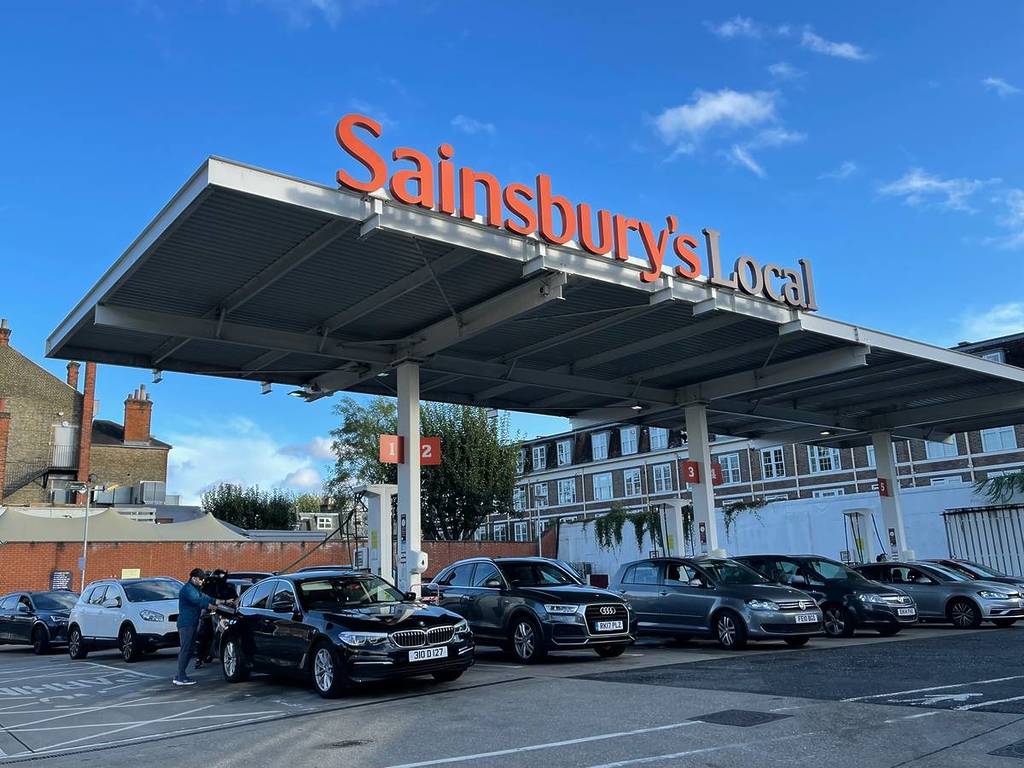

Sainsbury’s is set to phase out this specific item across its own-brand range as part of a wider push towards net zero, marking a significant shift in one of Britain’s most familiar supermarket staples.
Sainsbury’s will stop selling brown eggs in net zero drive
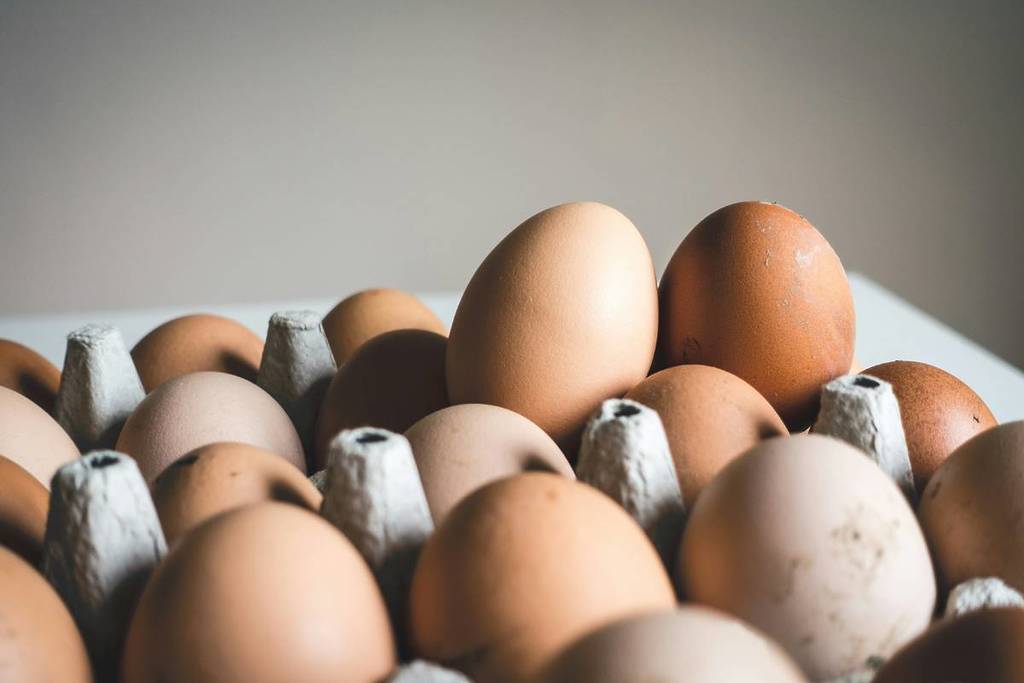
The UK’s second-largest supermarket has confirmed it will move to selling only white-shell eggs in its own-brand cartons, after research found they come with a notably lower carbon footprint.
According to the retailer, white eggs generate around 12.7% fewer emissions than brown alternatives, largely because the hens that lay them are smaller and require less feed.
Why white eggs are considered ‘greener’
The environmental case behind the switch is rooted in efficiency. White egg-laying hens consume less energy-intensive feed, which in turn reduces demand on land and water used for crop production. There is also less manure produced, contributing to lower overall agricultural emissions.
Sainsbury’s says the move will support its ambitious climate targets, which include reaching net zero across its own operations by 2035 and across its full supply chain by 2050.
There’s also an animal welfare angle. The retailer claims hens that lay white eggs are generally less prone to feather pecking a behavioural issue linked to stress potentially improving welfare conditions across its supply chain.
White eggs were once the norm
For many UK shoppers, the move may feel like a throwback. White eggs were once the norm on British shelves until the 1970s, when brown eggs surged in popularity amid perceptions they were more natural or nutritious – claims that have since been widely debunked.
In reality, there is little to no nutritional difference between brown and white eggs. Factors like taste, shell strength, and quality depend more on the hen’s breed, age, and diet than the colour of the shell itself.
Today, brown eggs still dominate UK supermarket shelves, while white eggs are more commonly used in the foodservice industry. In contrast, white eggs account for around 75% of those consumed in the US.
Despite growing acceptance among shoppers, particularly after supermarkets introduced white eggs during pandemic shortages, scaling up production may prove tricky.
Only around 15% of the UK’s egg-laying hens currently produce white eggs, according to the British Egg Industry Council. Over recent decades, farmers have largely shifted towards brown egg-laying breeds to meet consumer demand.
That means Sainsbury’s transition will require close coordination with suppliers and potentially significant changes across the farming sector.
Sainsbury’s transition to white eggs is part of a wider net zero strategy
The egg switch is just the latest in a series of sustainability-driven changes by the supermarket. In recent years, Sainsbury’s has:
- Introduced vacuum-packed minced beef to cut plastic use
- Adjusted cattle farming timelines to reduce emissions
- Continued to explore packaging and sourcing innovations
While some of these moves like vacuum-packed mince have sparked mixed reactions from shoppers, the retailer appears committed to reshaping its product lines in line with climate goals.
What shoppers can expect
Sainsbury’s insists customers won’t notice much difference beyond the shell colour. White eggs offer the same taste and nutritional value, and the supermarket is betting that environmental benefits will outweigh any lingering preferences for brown eggs.