The Autumn Budget has been the talk of the town for the past few months now. And on November 26 – like Santa delivering presents on Christmas morning – Chancellor Rachel Reeves finally delivered the budget for us all to have a good old rummage through. From pensions to property tax, there was fair amount of information to take on board. But a piece of the budget puzzle that has particularly piqued our interest is the ‘historic intervention’ that comes in the form of the first national rail fare freeze in 30 years.
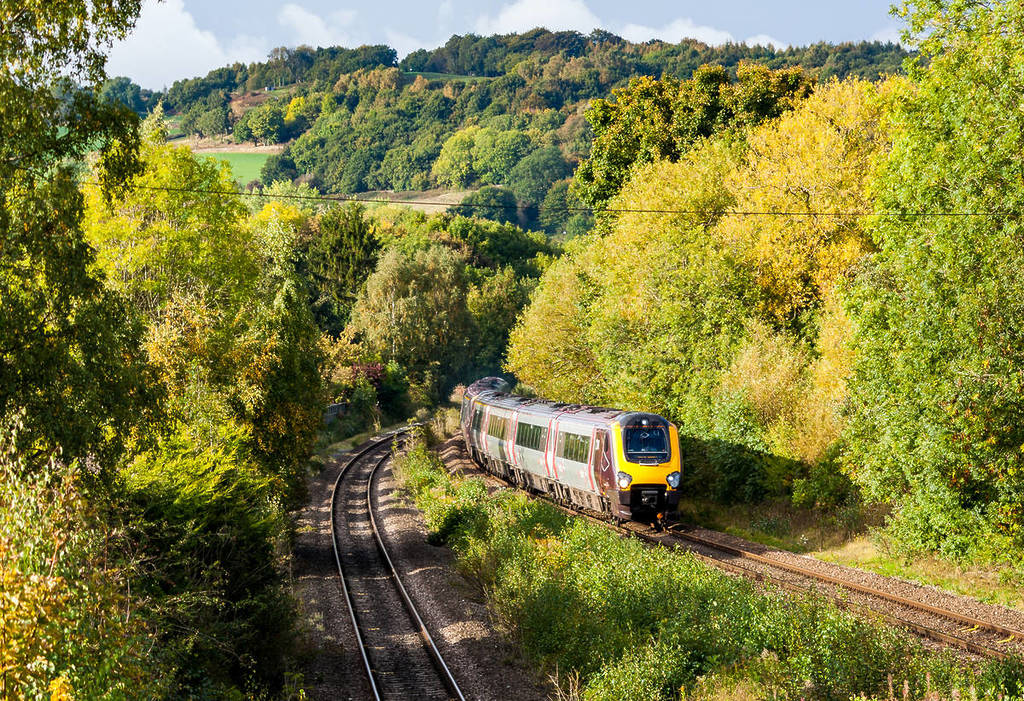
It’s certainly no secret that train fares in England have got pretty pricey in the past few years. In March 2025, for example, train tickets across the country rose by a rather hefty 4.6%. The rail freeze (that’ll now remain in place until March 2027) will see all regulated train fares stay the same price for the first time in three decades.
The freeze will apply to England and services that are run by English train operating companies, and could supposedly save hundreds of pounds for millions of train-travellers. The freeze only applies to the ‘regulated’ fares that are controlled by the government. These fares include ‘season tickets, peak returns for commuters and off-peak returns between major cities’.

Unfortunately over half of the country’s train fares are ‘unregulated’, meaning that these prices are subject to an increase in 2026. But many commuters travelling on some of the busiest and most expensive routes could see some fairly substantial savings. For example, those commuting to the capital city from Woking (a spot that’s recently been named the best London commuter town) could save £173 per year with the freeze.
Rachel Reeves (Chancellor of the Exchequer) said that the freeze in rail fares “will ease the pressure on household finances and make travelling to work, school or to visit friends and family that bit easier.”
Heidi Alexander (Transport Secretary) said: “We all want to see cheaper rail travel, so we’re freezing fares to help millions of passengers save money. Commuters on more expensive routes will save more than £300 per year, meaning they keep more of their hard-earned cash. This is part of our wider plans to rebuild Great British Railways the public can be proud of and rely on.”