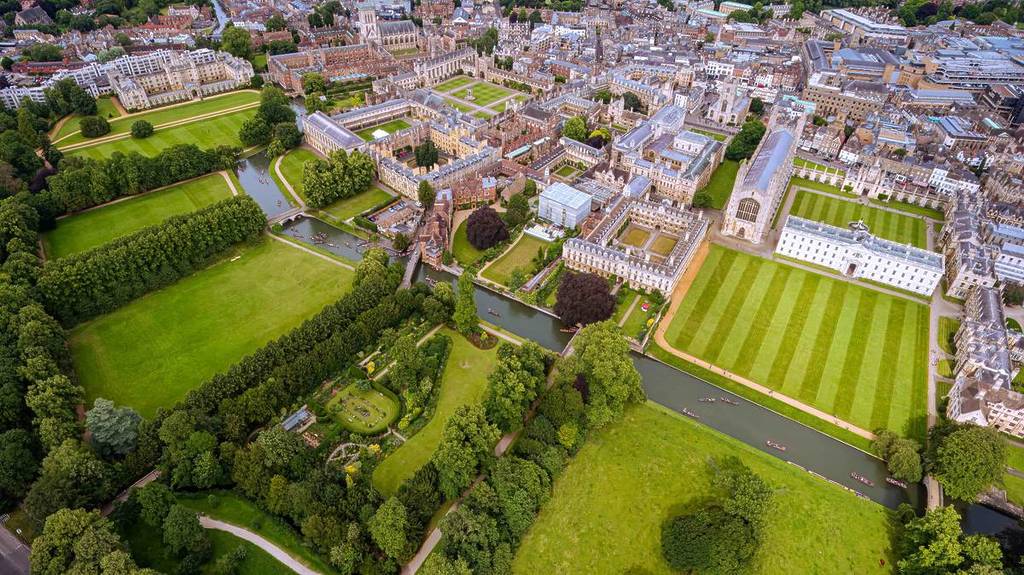
A bold new plan is reshaping the landscape between two of southern England’s most historic cities.
Imagine entire communities rising from the open fields, not just towns, but environments where nature and neighbourhoods are woven together, all with a vision to both house the future and heal the planet.
Ox-Cam corridor – new forest towns
That’s exactly what’s happening in the so-called “Ox-Cam corridor” between Oxford and Cambridge, where several new “forest towns” are being designed to transform the region.
The Ox-Cam corridor is being hailed as one of the UK’s most ambitious development schemes in decades, aiming to connect Oxford and Cambridge with a string of entirely new towns nestled within a vast, purpose-planted forest.
Unlike the more typical suburban sprawl or detached garden cities of the past, this project puts ecology at its heart: millions of trees are set to be planted alongside the new homes, with the goal of demonstrating that mass housebuilding and environmental stewardship can actually go hand in hand.
Nature minister Mary Creagh has publicly championed the scheme, explaining that these corridor towns are not just places for people to live, but spaces “where nature can thrive.”
“We’re creating places and spaces where generations of people are going to build a home,” Creagh told The Guardian, emphasizing that all homes will be close to the forest and within easy reach of both Oxford and Cambridge. Inspired by the ideals behind post-war new towns like Welwyn Garden City, the difference now is scale and an emphasis on shared access to broad tracts of woodland rather than just private gardens.
Ox-Cam corridor – one of the UK’s most ambitious development schemes
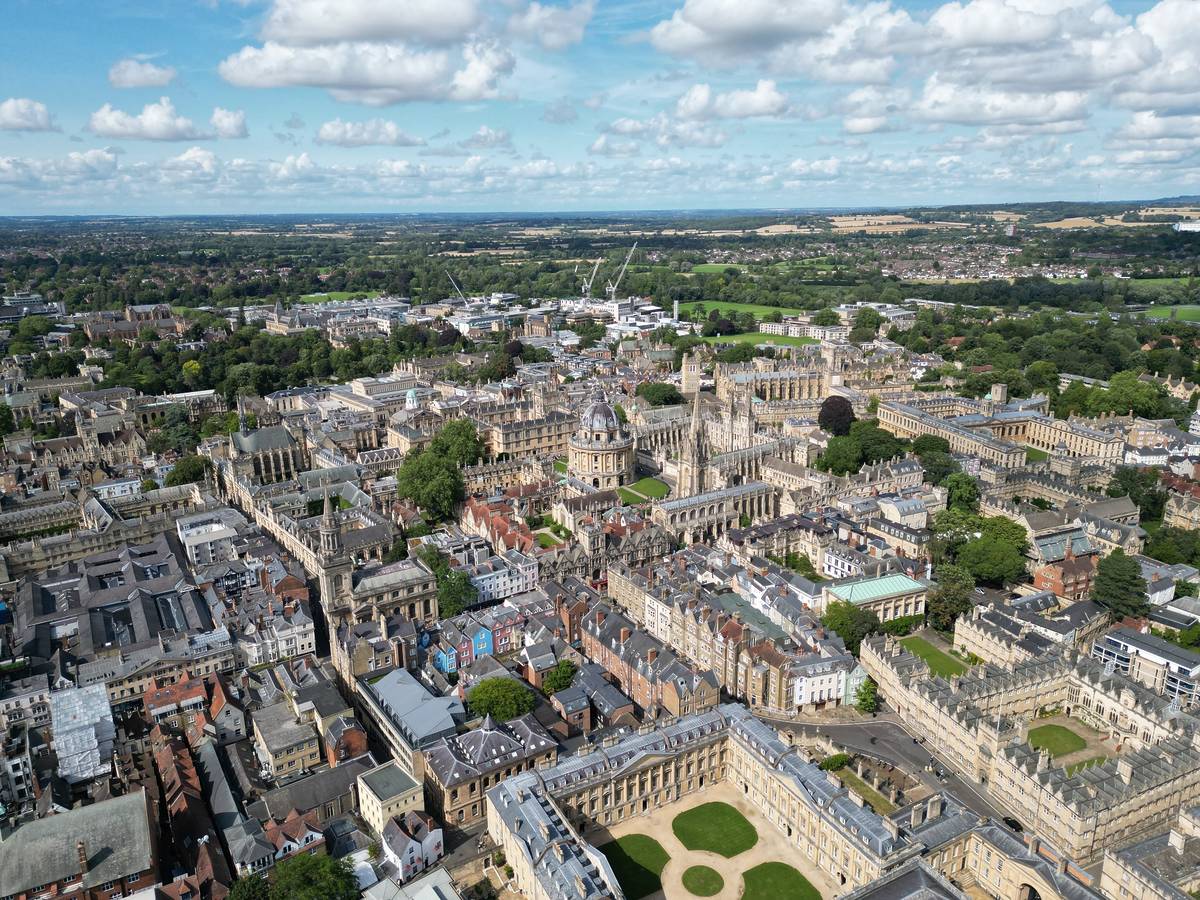
This ambitious project’s goal isn’t just environmental. The government wants to address the country’s pressing housing crisis while also boosting the region’s economy. With plans underway to “use trees to essentially build communities,” the proposed towns are part of a broader effort to attract residents, innovative businesses, and green-technology employers to the area. Forests are envisioned as hubs – public, accessible, and closely tied to employment as well as leisure, offering both climate benefits and a landscape for daily life.
As part of the development, the Cowley railway line is being renewed and upgraded, with £120 million invested to support the region’s growing population and to better connect these new communities with Oxford and Cambridge.
Planners hope the corridor will soon be seen as the UK’s answer to Silicon Valley, facilitating a high-tech business boom, with economic projections estimating up to £78 billion could be added to the UK economy over the next decade.