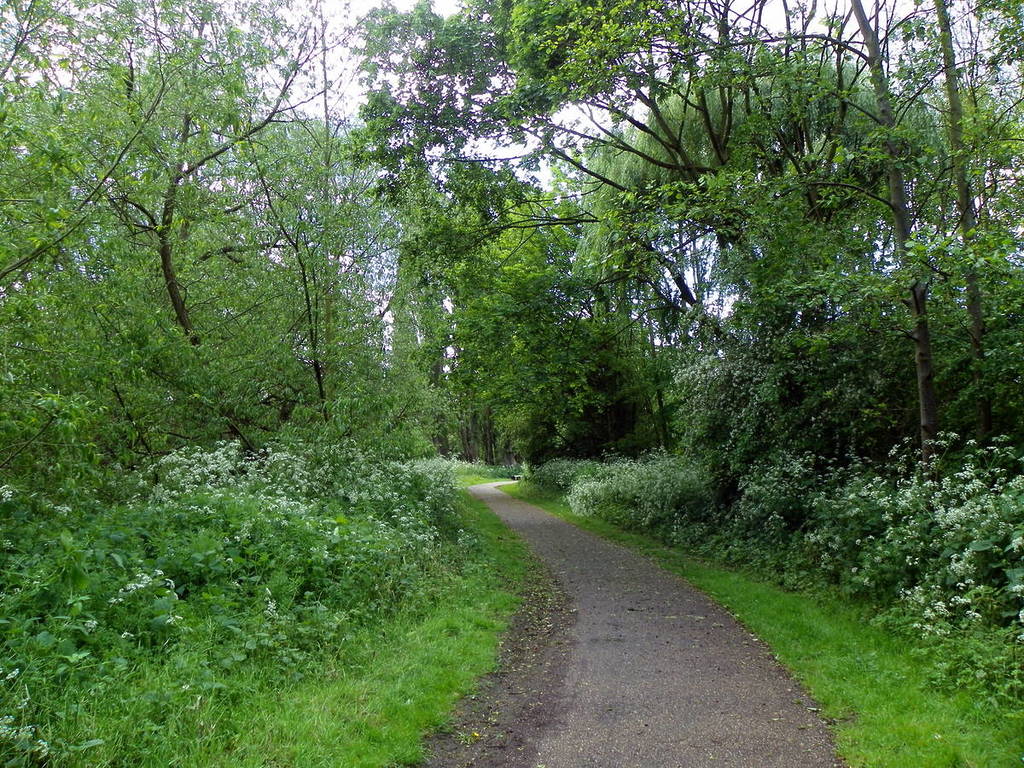

In a bid to add a tad more biodiversity to some of London’s less leafy locations, a rather impressive 14-mile ‘nature corridor’ is currently in the pipeline. Led by conservation charity, Wild Cities, the project would see four London boroughs transformed by the horticultural highway, which is set to stretch from Lee Valley Regional Park all the way to the River Thames via the likes of Tower Hamlets, Hackney, Haringey, and Newham.
Wild Cities aims to bring ‘unlikely allies together’ for the occasion, utilising cross-sector partnerships to deliver the verdant corridor. Working alongside ecologists, local authorities, residents, civil society partners, and cultural institutions; Wild Cities aims to link isolated areas of wildlife (including community gardens, canals, parks, football grounds, and streets) to create ‘pathways where pollinators can move and ecosystems can recover’.
The ambitious project supports the delivery of the recently launched Local Nature Recovery Strategy which pinpointed the pockets of London that need to be prioritised when it comes to nature recovery and restoration. The east London boroughs that the prospective nature corridor would wind through are some of the most nature-deprived neighbourhoods in the capital city.
Research also shows that adding green infrastructure to an urban spaces can help support food systems and restore biodiversity. The nature corridor is also set to reduce the temperature in certain areas. London is approximately 1-1.5°C warmer than its surrounding regions, and – according to a recent assessment by the Intergovernmental Science-Policy Platform on Biodiversity and Ecosystem Services – green corridors can cool cities by up to 7°C.
You can find out more about Wild Cities’ plans and how to get involved in the project here.