
Set within a striking 6,500-square-foot space at St Pancras Campus, a brand new museum celebrating the grassroots creativity, rebellion, and collective identity of British youth from the 20th century to today will open its doors in London this weekend
The world’s first Museum of Youth Culture is opening in Camden, bringing a bold new cultural landmark dedicated to the sounds, styles, and social currents that shaped modern life.
The world’s first Museum of Youth Culture is opening its doors in London
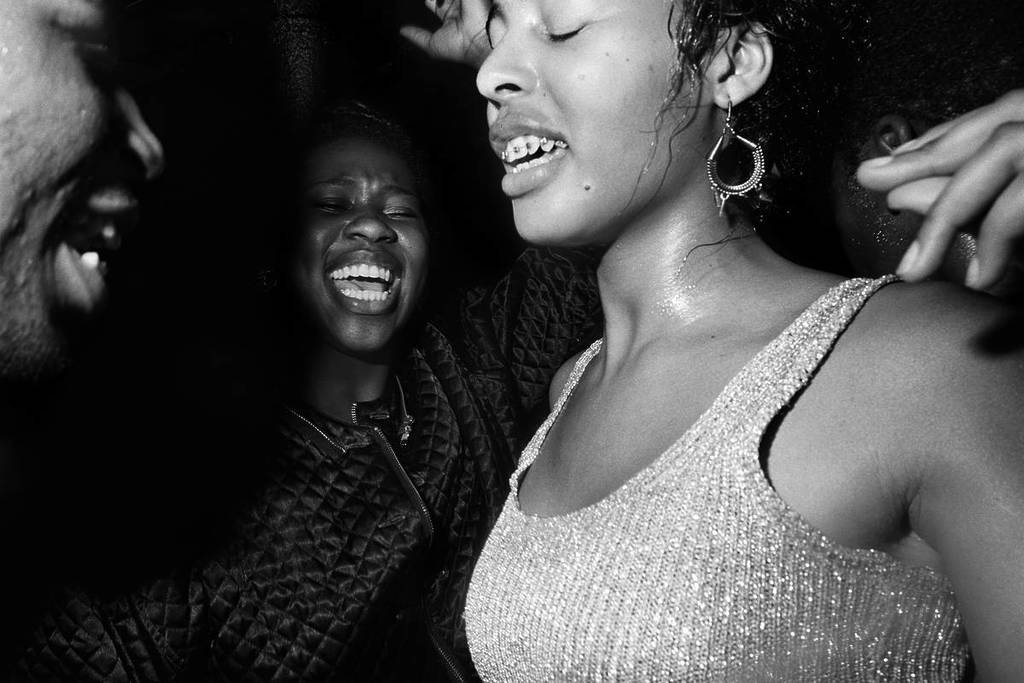
The project, nearly 30 years in the making, is the brainchild of Jon Swinstead, who began collecting photographs documenting British subcultures from the postwar era onward.
What started in his garden shed eventually evolved into PYMCA, a youth culture photography archive, and now into a fully fledged museum housing an astonishing 100,000-item collection opening its doors on June 20, 2026.
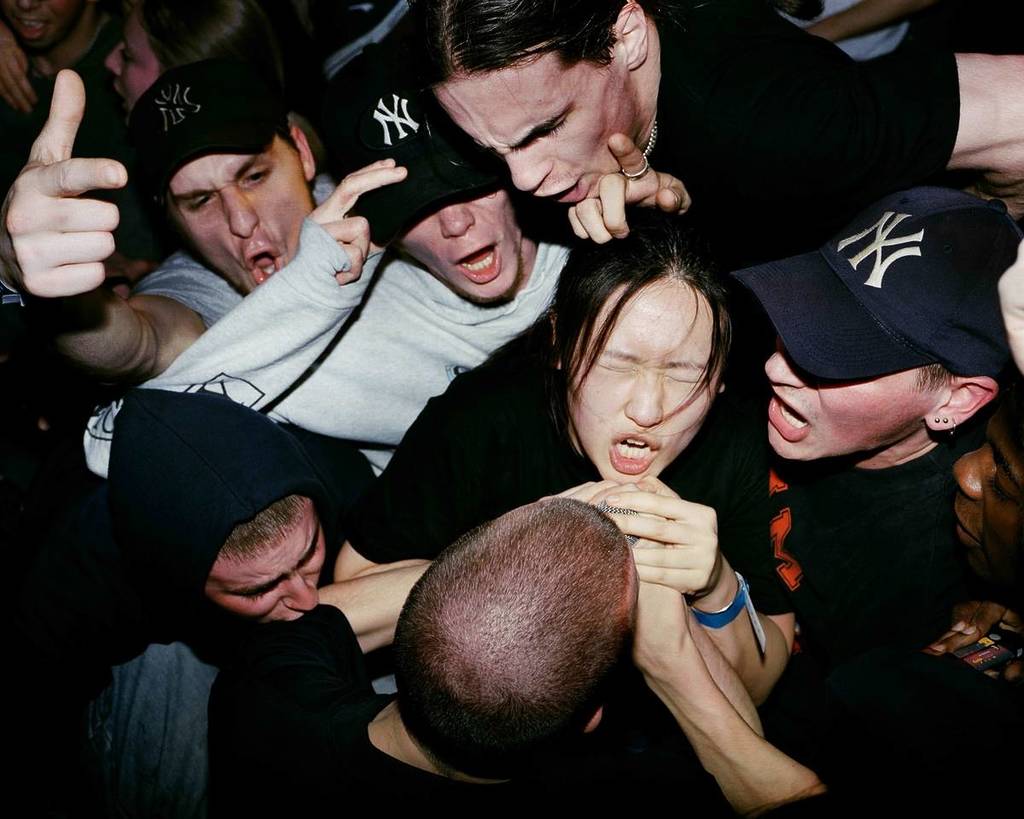
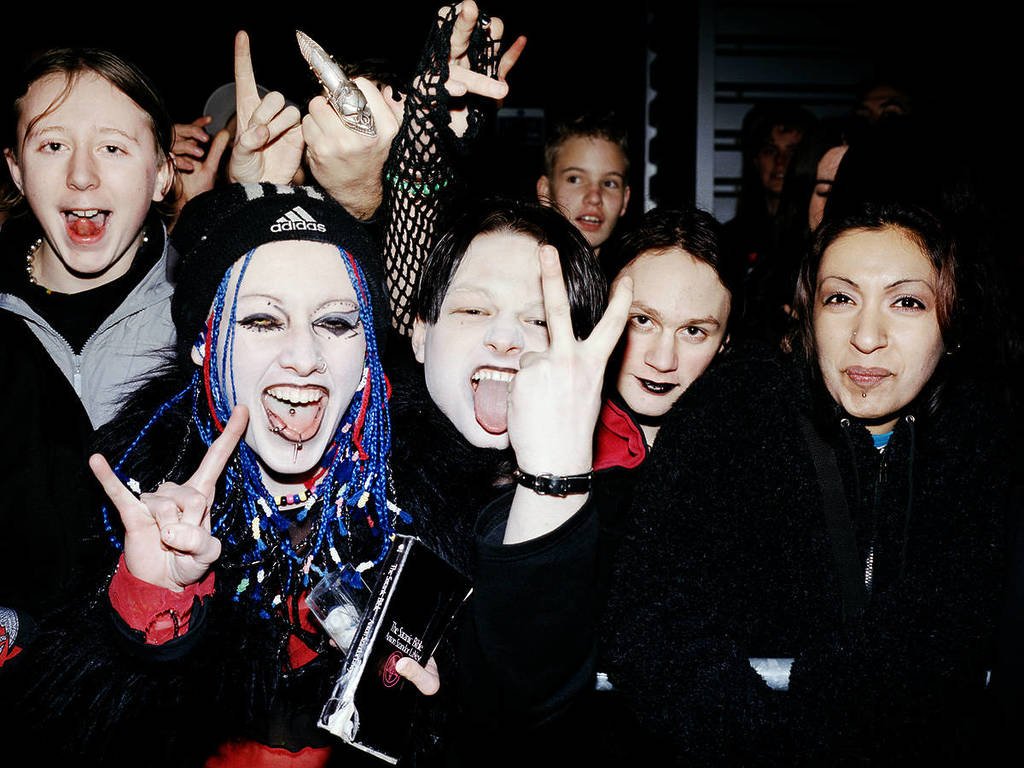
From the sharp-suited mods and rebellious rockers of the 1960s to the ravers, goths, emos, punks, and grime pioneers who followed, the museum tells a story not just of style, but of social identity, politics, and creativity.
“If there’s a Young V&A for childhood,” says community programmer Lisa der Weduwe, “why isn’t there one for teenagers – the years when everything exciting happens?”
The Museum of Youth Culture – a living archive of subculture
The space feels as DIY as the scenes it celebrates. Among the exhibits are a Raleigh Chopper bike, an original Sony Walkman with separate “guys” and “dolls” headphone jacks, a stash of hand-signed school leavers’ shirts, and one unforgettable relic from the dawn of punk: a welding mask stencilled with the word “HATE.”
Its owner, Steven, wore it to gigs in 1976 to stay anonymous but still ended up immortalised in the Evening Standard.
The museum has been built through public donations and community partnerships, creating what Der Weduwe calls a “bottom-up form of curation” befitting youth culture’s handmade spirit.
Every corner tells a story, whether through photos by Gavin Watson’s iconic skinhead portraits, slides of grime legends, or mementoes from the rise of two-tone and Britpop.
More than just a museum
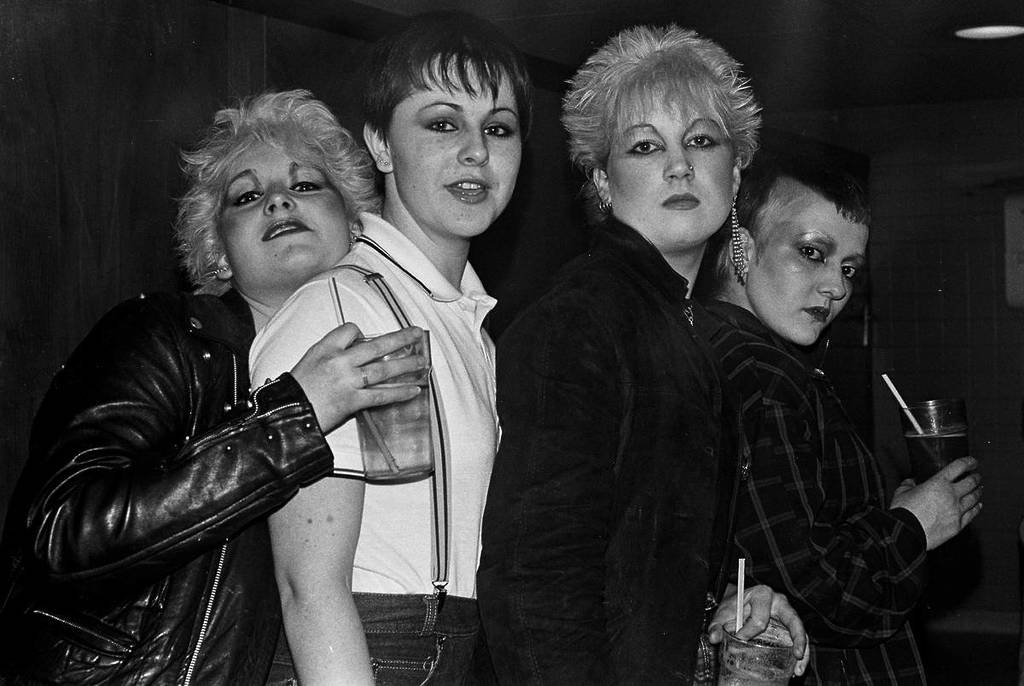
The Museum of Youth Culture won’t be a static archive, it’s also a venue and social hub, complete with a Rough Trade shop and youth club. It aims to host events, workshops, live performances, and community projects, ensuring that “youth culture” remains an evolving, participatory force rather than nostalgia preserved behind glass.
Funded in part by the City Bridge Foundation and the National Lottery Heritage Fund, the museum has secured a 20-year lease suggesting it’s here to become a permanent fixture in London’s cultural patchwork.
Is youth culture dead? Not quite.
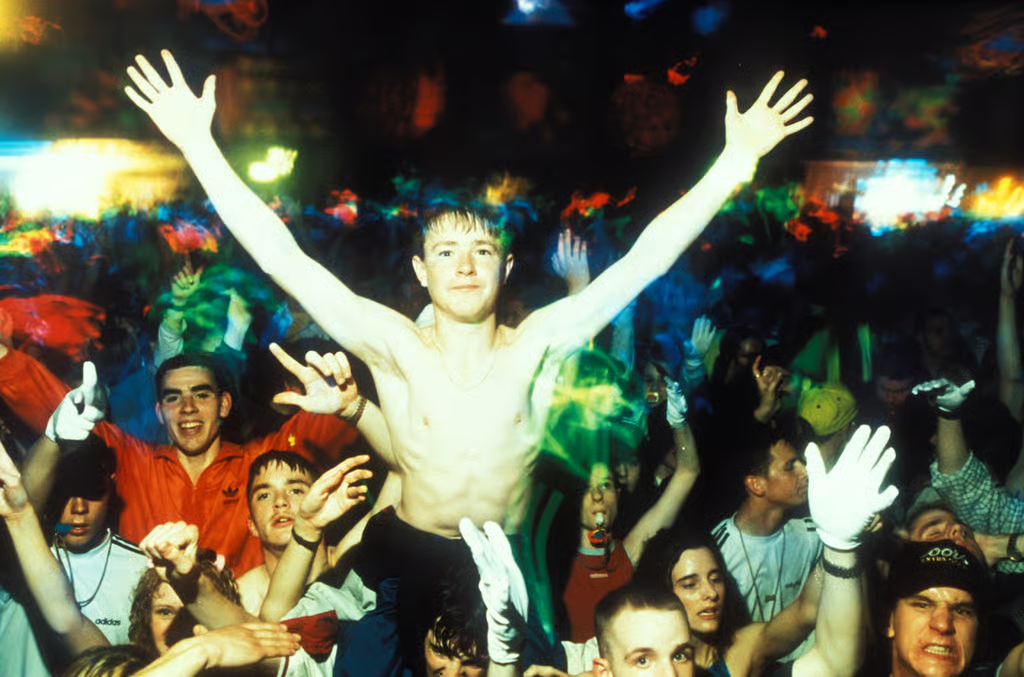
Swinstead and Der Weduwe both reject the idea that subcultures have vanished.
While the sharply defined “tribes” of the 1970s and 80s may have blurred, today’s scenes from K‑pop fandoms to anime communities carry the same passion and aesthetics, only now refracted through the internet’s global lens.
In essence, the Museum of Youth Culture isn’t just looking back; it’s asking visitors to see their own adolescence as part of Britain’s ongoing cultural story.
Whether your soundtrack was The Clash, The Streets, or something you found on TikTok at 2 a.m., this museum says it all matters because it’s all youth culture.
Find out more about it here.