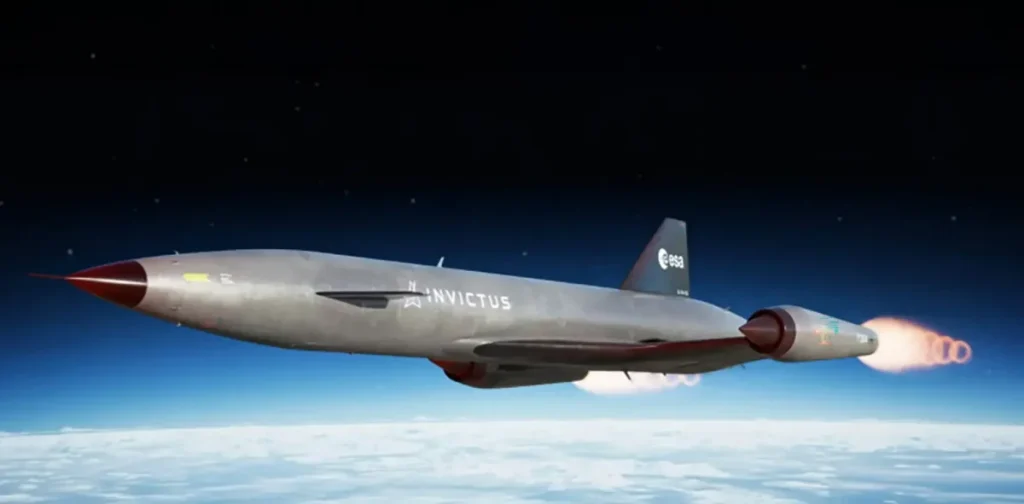

If you’ve always wanted to visit the land down under, but have been heavily deterred by the sheer length of the flight, I come bearing a piece of news that’ll be right up your street runway. The prospect of a new hypersonic plane is officially in the pipeline – and if all goes to plan, it could soar between London and Sydney in a rather gasp-inducing 3 hours.
The aircraft in question is named Invictus, and it’s being developed by the brainy bunch over at the European Space Agency. The outrageously speedy vehicle would travel over 5 times the speed of sound, cutting the journey between London and Sydney by almost 90%. Invictus would supposedly take off like a regular plane before zooming to the edge of the atmosphere and soaring across the globe at around 80,000-feet.
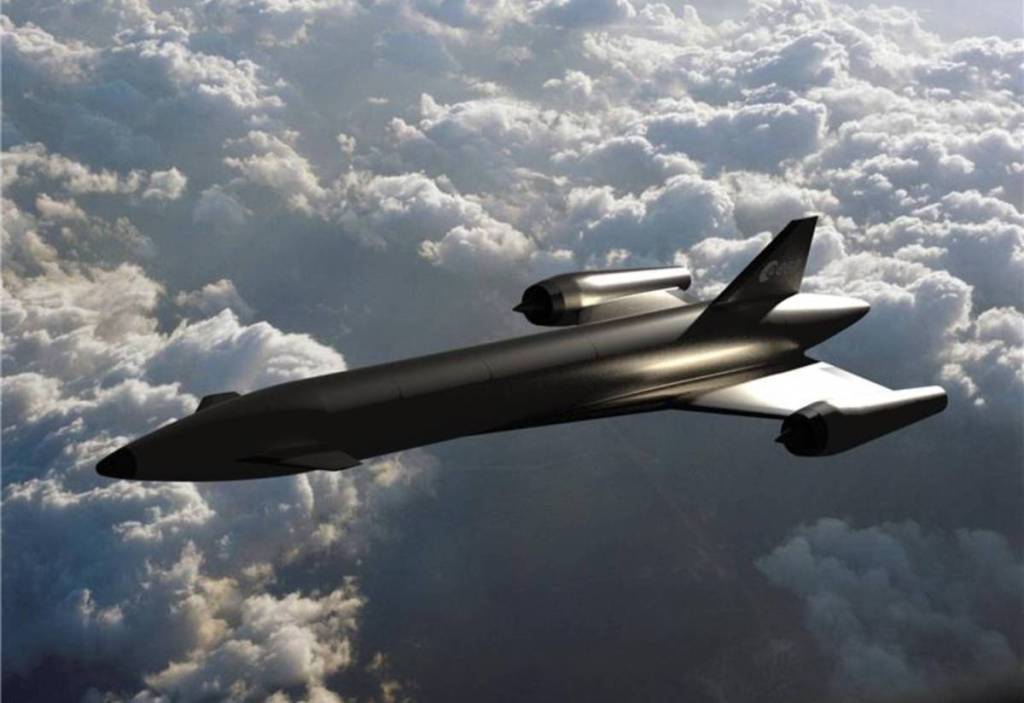
Now, I wouldn’t start dusting off your flip-flops just yet though, folks. The aircraft is still very much in the developmental stages and it’ll be quite some time before this valiant vehicle takes to the skies. The initial design phase is set to be completed later this year, and smaller-scale engines are set to be tested next year. The first flight is set to take off at a slightly slower speed in 2034, and the full-speed journey could get the green light by 2036. The aircraft initially won’t be used for passenger flights, but if all goes swimmingly, this pioneering plane could certainly pave the way for future hypersonic commercial travel.
Gordon Stevenson from Spaceport Machrihanish told The Telegraph: “Like most aerospace technologies, it will probably have dual use. Satellite delivery would be one of the obvious uses, and people have talked about passenger flights ultimately .
“You could be in Sydney, Australia in three hours. It depends on the speed at which it flies and the success of the technology, but it would be amazing wouldn’t it?”
James Cornish from Frazer-Nash (the aircraft’s primary contractor) said: “Whilst it is not a passenger aircraft, the technologies it proves could ultimately underpin much faster long-haul travel in future civil platforms.”