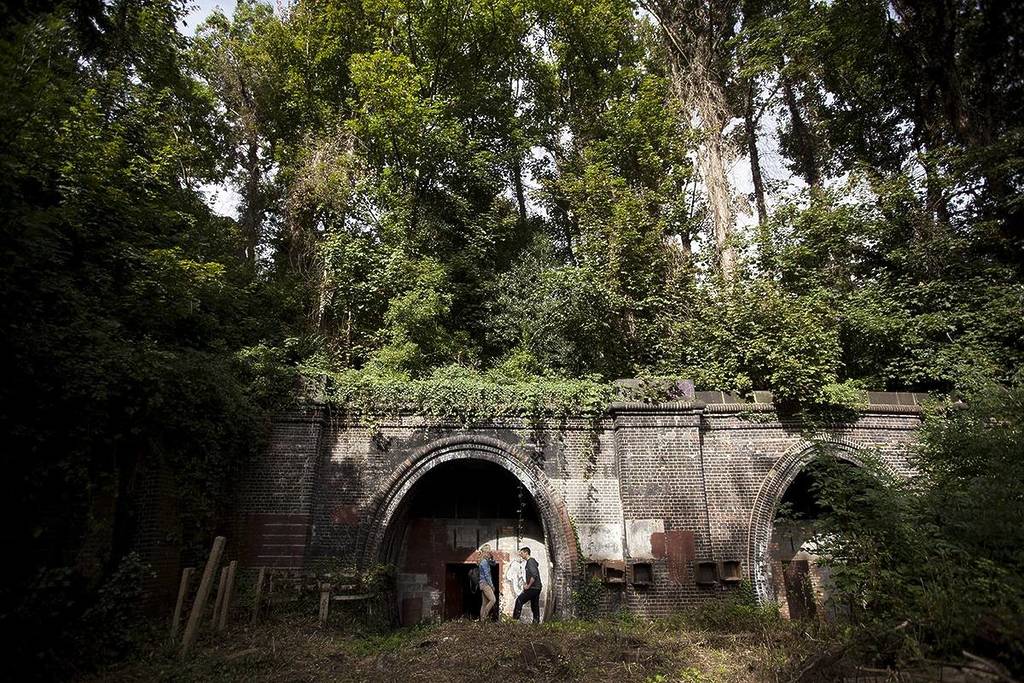
Tucked away in North London’s leafy heights, this borough is home to one of the city’s most intriguing lost stations – a place where once-busy train tunnels now echo only with the flit and flutter of this protected species.
The disused Highgate station now home to a protected species
Highgate’s old station, perched in a green valley beside Archway Road, first opened in August 1867 as part of the Great Northern Railway, serving lines running from Finsbury Park up towards Edgware, High Barnet, and Alexandra Palace.
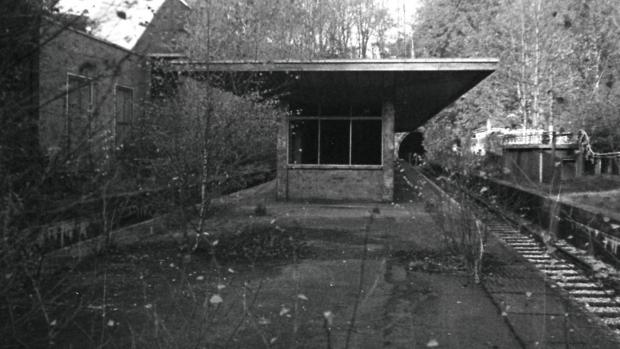
Originally a bustling connection above the deep-level Northern line platforms, it underwent major reconstruction during 1941, adding a new central platform and stairways to link with the Underground ticket hall below. However, by 1970, regular train services through the high level were discontinued, leaving the grand brick arches and platforms deserted above ground.
Today, however, what was forgotten by commuters has been embraced – by nature and by a very special winged population.
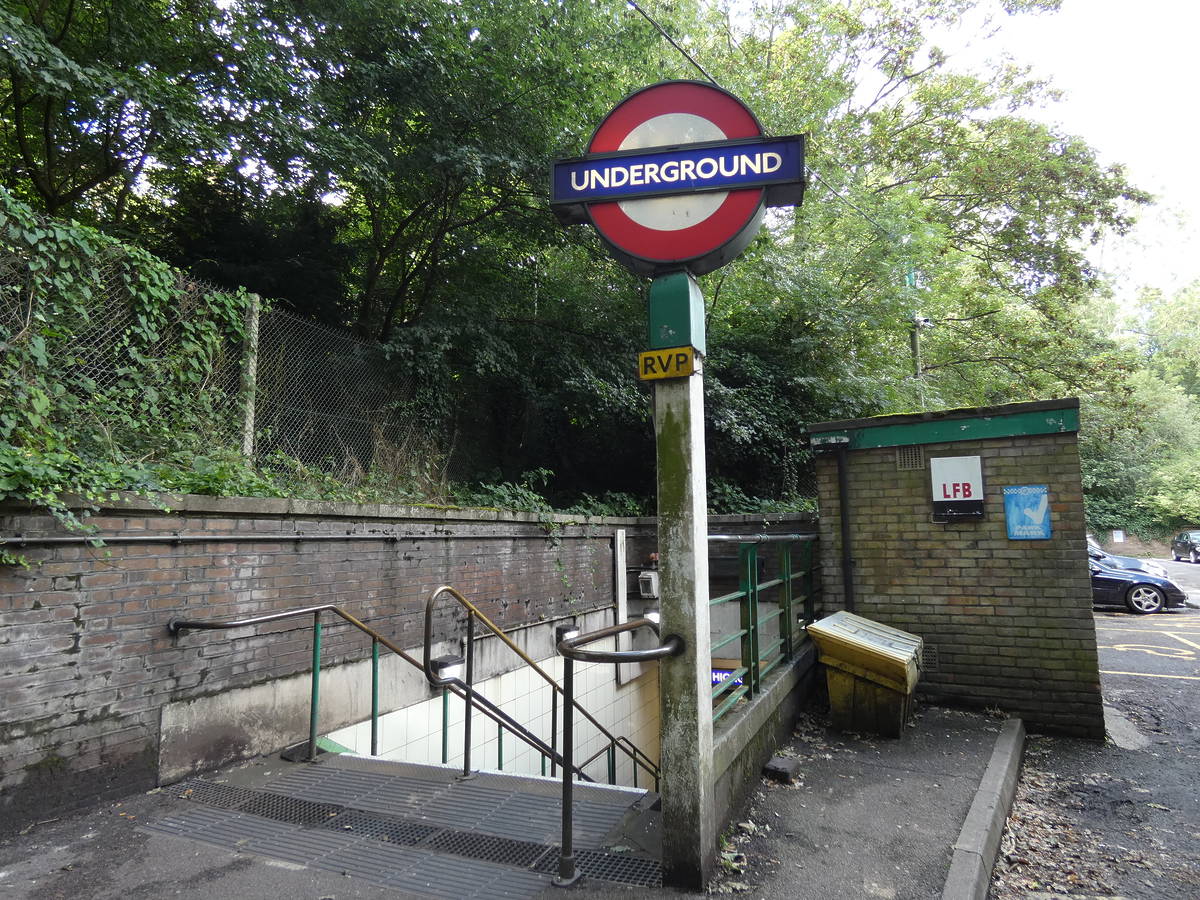
Step just beyond the bustle of Highgate Village, and you’ll find the remnants of its old station lingering beneath green canopies and urban wildflowers. Over the years, nature has chipped away at red brick and iron. Vines snake through the former platforms, thick moss coats the tunnel mouths, and the echo of approaching trains is replaced by birdsong and if you’re very lucky, the fluttering hush of bats.
Long after the final train departed and the last passengers faded into history, Highgate’s disused tunnels became an unlikely refuge. Protected status was granted as various bat species – tiny, mysterious, and increasingly rare in London, discovered a safe roost among tunnels untouched by modern life. These cool, dark spaces provide the perfect climate for hibernation and breeding, turning a forgotten slice of underground London into one of the city’s most important urban habitats.
Explore this abandoned station with London Transport Museum’s Hidden Tour
While you can admire parts of the old platforms and overgrown embankments from public paths, gaining access to the tunnel mouths and the more secret sections of the site is only possible via exclusive tours run by the London Transport Museum’s Hidden London programme.
Highgate’s tour is unique as it unfolds mostly above ground, winding through wild, woodsy grounds to reveal old staircases, platform remnants, and graffiti-clad arches reclaimed by woodland.
Guided by expert storytellers, visitors don hard hats and high-vis jackets to descend into the shadowy depths, discovering the ghostly platforms, ornate tiling, and if you’re lucky, the bats themselves, all while learning about the extraordinary ways nature reclaims.
Whether you’re a train buff, a history lover, a hankerer for city secrets, or just fascinated by bats, Highgate’s hidden tracks offer a journey well worth taking. Just mind your head – and the bats.