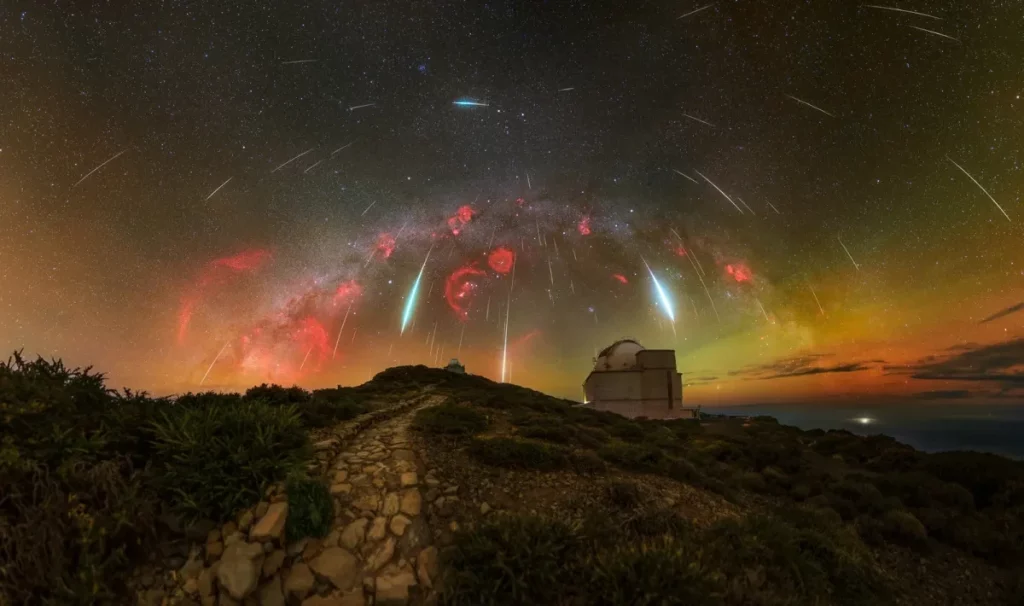
This weekend, skywatchers across the UK and beyond are in for a cosmic spectacle as the Geminid meteor shower – one of the brightest events in the celestial calendar reaches its annual peak.
Experts say that if the weather cooperates, conditions could be near perfect for catching a stunning light show overhead.
Visible from around the world but best seen in the Northern Hemisphere, the Geminids are famed for producing up to 100 shooting stars an hour during their peak.
Dr Robert Massey from the Royal Astronomical Society describes it as “pretty much the strongest meteor shower of the year”, and a reminder that some of nature’s most beautiful displays come entirely free of charge.
What makes the Geminid meteor shower so special?
Unlike most meteor showers, which originate from icy comets, the Geminids come from the rocky asteroid 3200 Phaethon – a rare type of parent body. As the Earth passes through its dusty trail, tiny particles hit the atmosphere and burn up in brilliant streaks of light.
Different materials within these meteors produce vivid colours: sodium glows orange-yellow, magnesium burns bright blue-green, and calcium gives off a violet hue, much like the sparks in a firework display.
Scientists are still investigating the Geminids’ origins. NASA recently revealed that Phaethon’s tail is made not of dust, but of glowing sodium gas, leaving researchers intrigued about how the debris responsible for the annual shower first formed.
How to get the best view to see the Geminid meteor shower?
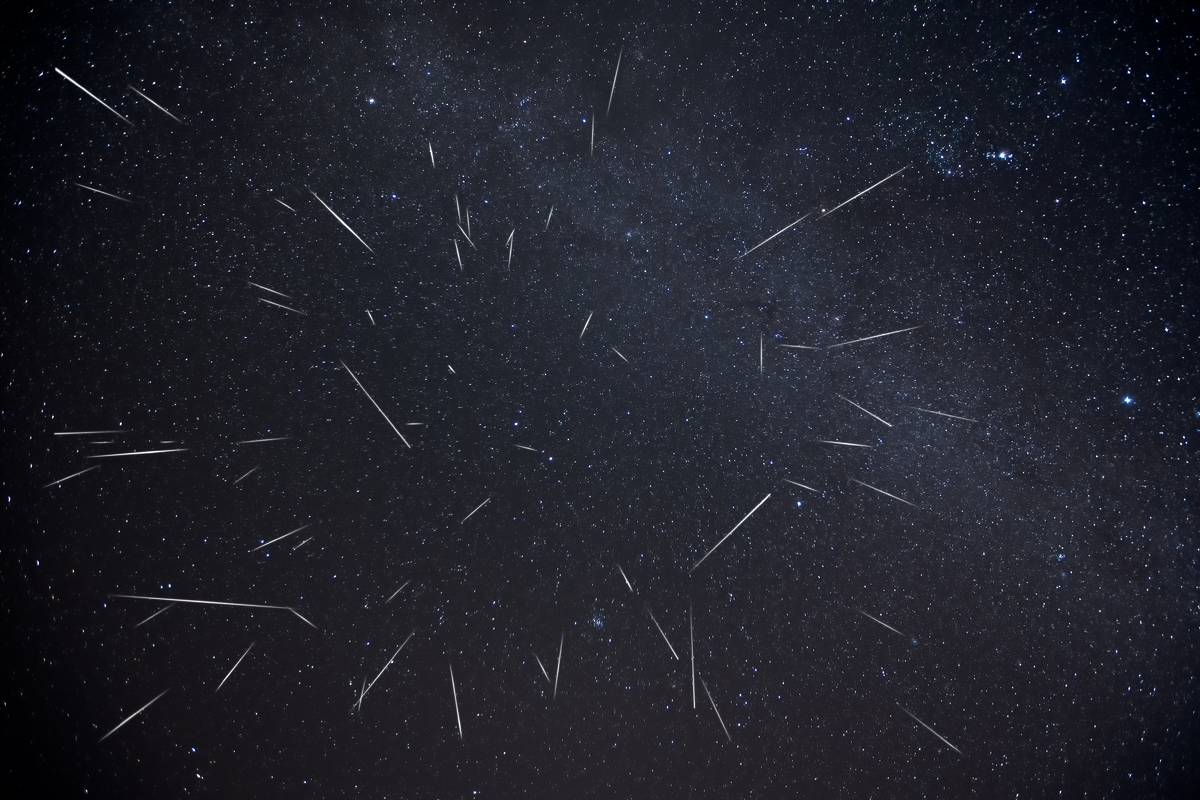
The Geminids are best viewed with the naked eye – no equipment required. The meteors appear to radiate from the constellation Gemini, but looking slightly away from that point gives a wider field of view.
To make the most of the experience:
- Find a dark, open spot away from city lights.
- Dress warmly and bring a reclining chair or blanket.
- Allow your eyes at least 15 minutes to adjust to the dark.
- Be patient, meteor showers often come in bursts.
Will the weather cooperate in the UK?
The Geminid meteor shower will peak on Sunday, December 14, but the UK forecast looks mixed. Wind and cloud cover are expected across much of the country, with outbreaks of rain likely through the weekend.
In the UK, a waning crescent Moon will rise only after midnight, offering several hours of dark skies – ideal for stargazing.
However, there may be brief clear spells, particularly in northern Scotland, the Northern Isles, East Anglia, and southeast England.
Stargazers should keep an eye on the Met Office’s UK Cloud Cover Map for the latest updates before heading out.