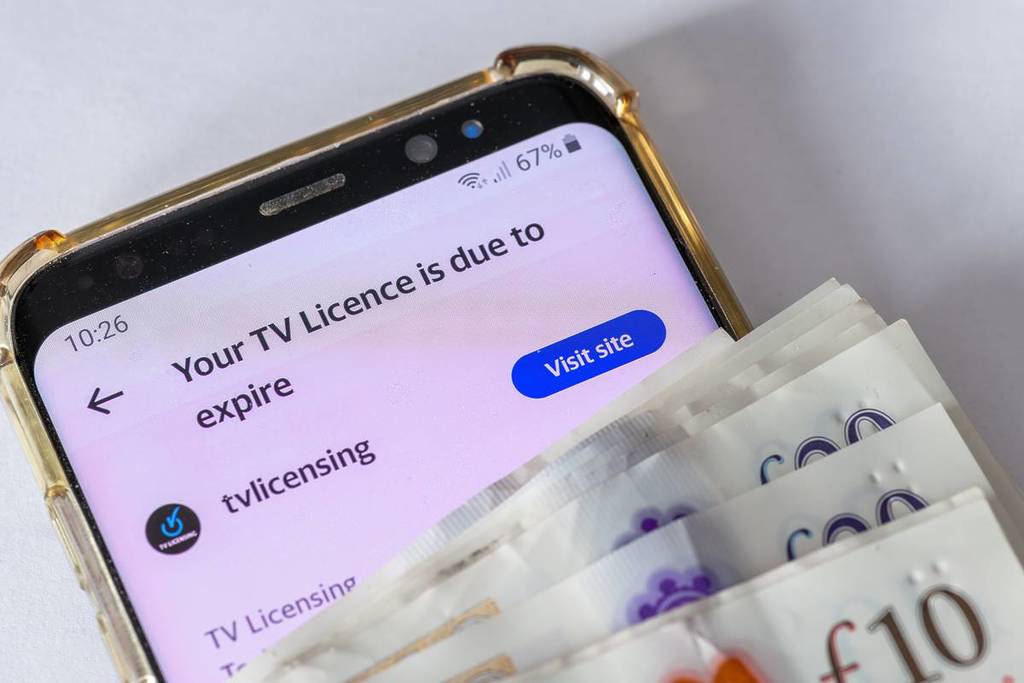

The UK Government has issued a fresh response to growing calls for free TV licences to be extended to all state pensioners, as a public petition continues to gather momentum.
More than 20,000 people have now backed the campaign, which urges ministers to reinstate universal free TV licences for older households.
In response, the Department for Culture, Media and Sport (DCMS) said it is “keeping an open mind” about potential new concessions but stopped short of committing to any immediate changes.
What the Government has said about free TV licences for all state pensioners
The DCMS, led by Culture Secretary Lisa Nandy, acknowledged the concerns raised but confirmed that current policy remains in place for now.
A spokesperson said there are “no plans” to introduce a universal free TV licence for all pensioners at this time. However, the department added it is considering “a range of options” to better reflect different household circumstances in the future.
Crucially, the Government also confirmed:
- Existing concessions will not be removed before the current BBC Charter period ends in 2027
- It does not plan to revisit the 2020 decision that ended universal free licences for over-75s
- Any future changes would likely focus on targeted support rather than a blanket policy
Current TV licence rules explained
As it stands, a standard TV licence costs £180 per year, while a black-and-white licence is priced at £60.50.
Free TV licences are only available to:
- Households where at least one person is aged 75 or over and receives Pension Credit
- People who are registered blind or severely sight impaired (who receive a 50% discount)
- Certain residents in qualifying care homes who are disabled or over 60
This means many pensioners particularly those just above the Pension Credit threshold, still have to pay the full fee.
Why campaigners are pushing for change for a free TV licence upon reaching retirement
The petition argues that all pensioners should receive a free TV licence upon reaching retirement age, citing the ongoing cost-of-living pressures.
Campaigners say television remains a “lifeline” for many older people, particularly those living alone, and argue the current system is unfairly restrictive.
The petition states that:
- Many pensioners are struggling with rising food and energy bills
- The means-tested system excludes those just above eligibility thresholds
- Older generations who have contributed through taxes should receive broader support
If the petition reaches 100,000 signatures, it will be considered for debate in Parliament.
One of the biggest barriers to reinstating universal free licences is cost
Before the policy was changed in 2020, the BBC estimated that providing free TV licences to all over-75s would cost around £745 million per year. At the time, the broadcaster warned it could lead to “unprecedented closures” if it had to absorb the full financial burden.
The current system, which targets support through Pension Credit, is designed to limit spending while focusing on the most vulnerable households.
What happens next
While the Government’s “open mind” stance suggests the door is not fully closed, there is no indication of imminent policy change.
Pensioners and campaigners will be watching closely to see whether the growing petition can push the issue onto the Parliamentary agenda in the months ahead.