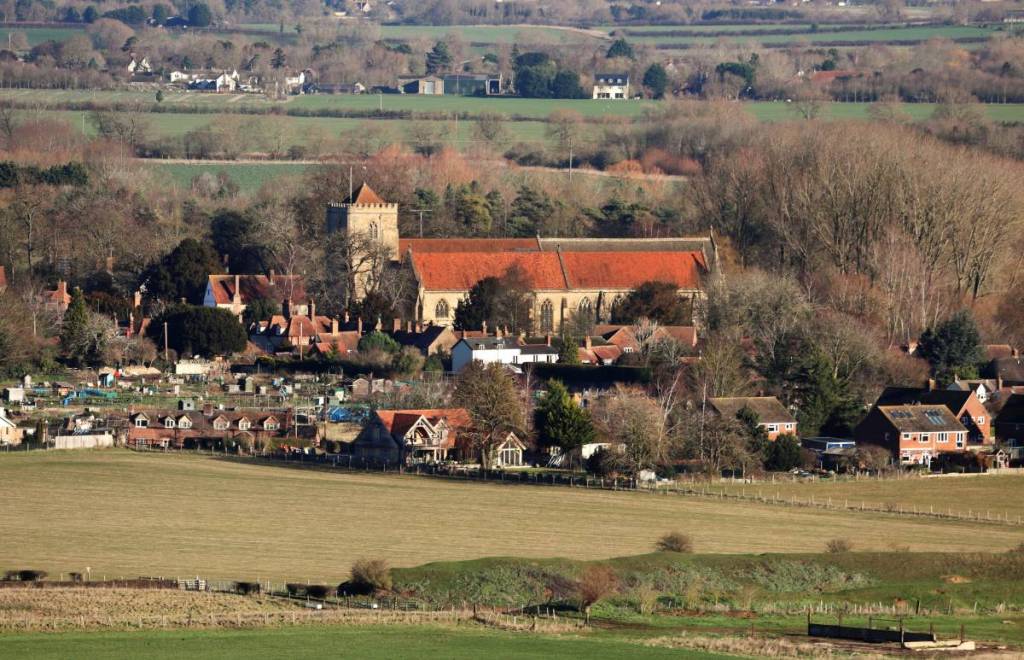

With its honey-coloured cottages, riverside setting and medieval abbey, this Oxfordshire village feels quietly picturesque today but centuries ago, this was one of the most important places in southern England.
One of England’s oldest and most important villages is just two hours from London
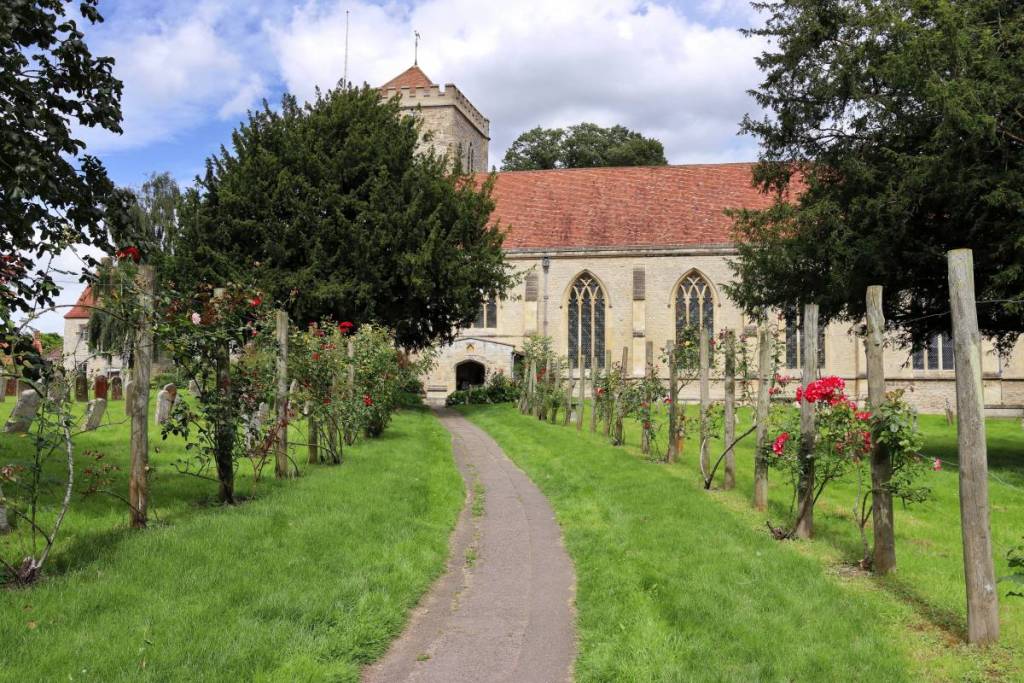
Long before it became a peaceful day-trip destination, Dorchester was already an important settlement in Roman and Saxon times.
Evidence of habitation in the area goes back to Neolithic times, and the village sits on the remains of an old Romano-British town, later becoming a major centre of Saxon power.
A village with a royal past
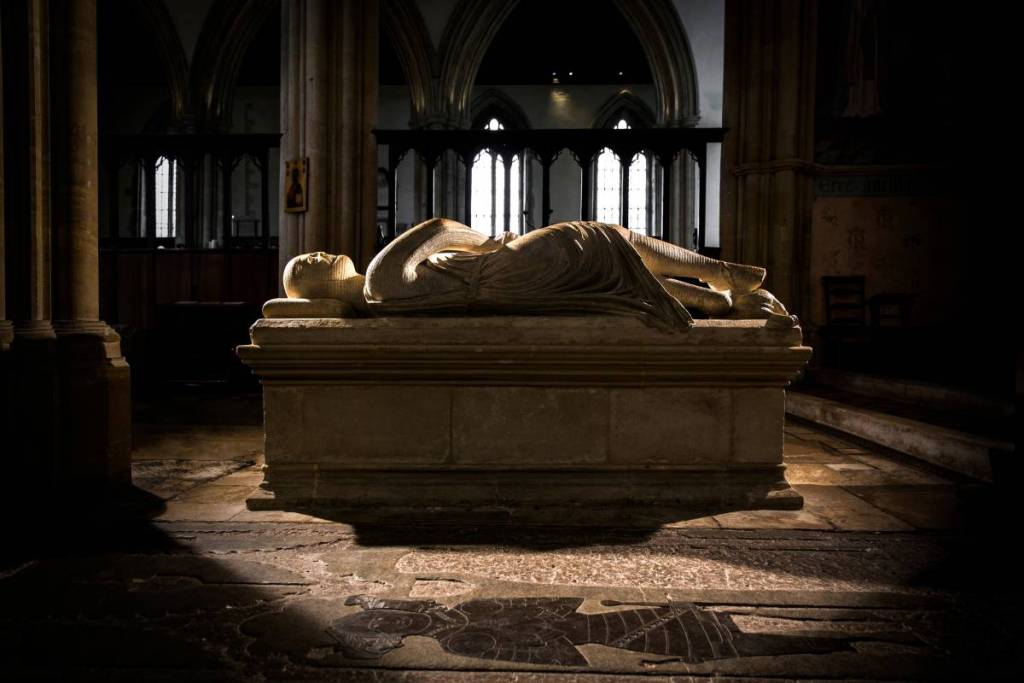
Its biggest claim to fame came in the 7th century, when St Birinus baptised King Cynegils in the River Thame, and Dorchester became the episcopal centre for Wessex.
For a time, it effectively served as the capital of Wessex before power shifted elsewhere, giving the village a place in the story of early England far bigger than its size suggests.
That historical importance is still visible today. Dorchester Abbey stands on the site of the old Saxon cathedral, and the village’s past as a religious and administrative centre gives it a depth that many prettier places simply don’t have.
Even after Dorchester lost political influence, it remained a key stop for travellers on the route between Oxford and London.
Today, the village’s charm lies in that contrast: it is still small, still quiet, but packed with layers of history. Visitors can wander the High Street, explore the abbey, and enjoy the riverside setting while standing in a place that once mattered to the making of England.