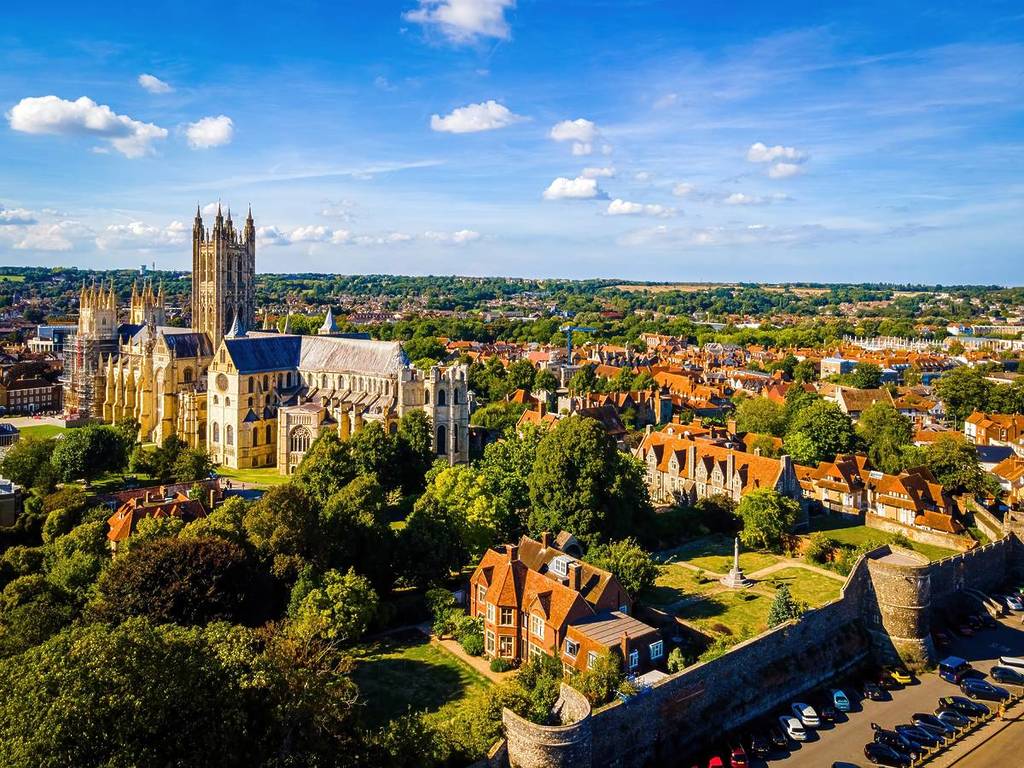
Just a short journey from London, under two hours by train, lies one of England’s most historically rich and visually stunning destinations. While this charming city is famed for its literary and medieval heritage, it also boasts a rare distinction that sets it apart in the UK: it is home to not one, but three UNESCO World Heritage Sites.
In 1988, UNESCO collectively inscribed three monumental sites in Canterbury under a single World Heritage designation, recognising their global significance and deep connection to England’s religious and architectural history.
The UNESCO World Heritage Sites of Canterbury
Canterbury Cathedral
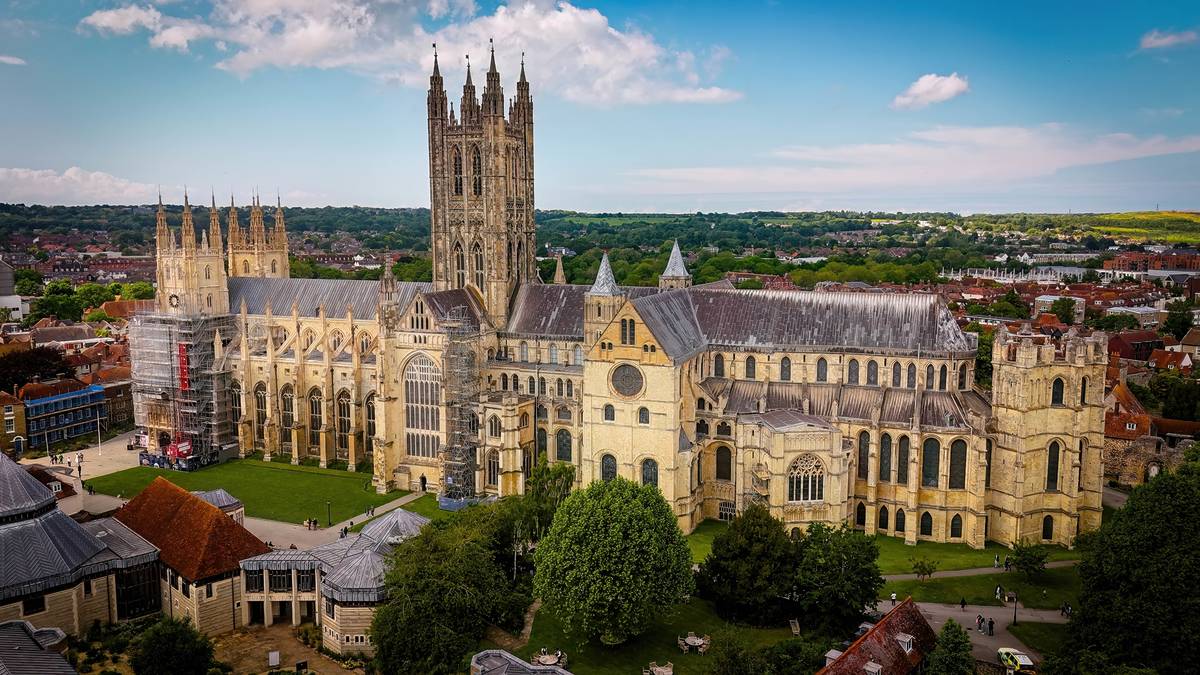
The most iconic of the trio, Canterbury Cathedral stands as the spiritual heart of the Anglican Communion and the seat of the Archbishop of Canterbury. Founded in 597 AD and rebuilt by the Normans in the 11th century, the cathedral is renowned worldwide for its awe-inspiring Gothic architecture, centuries-old stained glass windows, and the site of the martyrdom of Thomas Becket in 1170 an event that brought pilgrims from across medieval Europe. Today, visitors are still captivated by its soaring nave, tranquil cloisters, and atmosphere steeped in history.
St Augustine’s Abbey
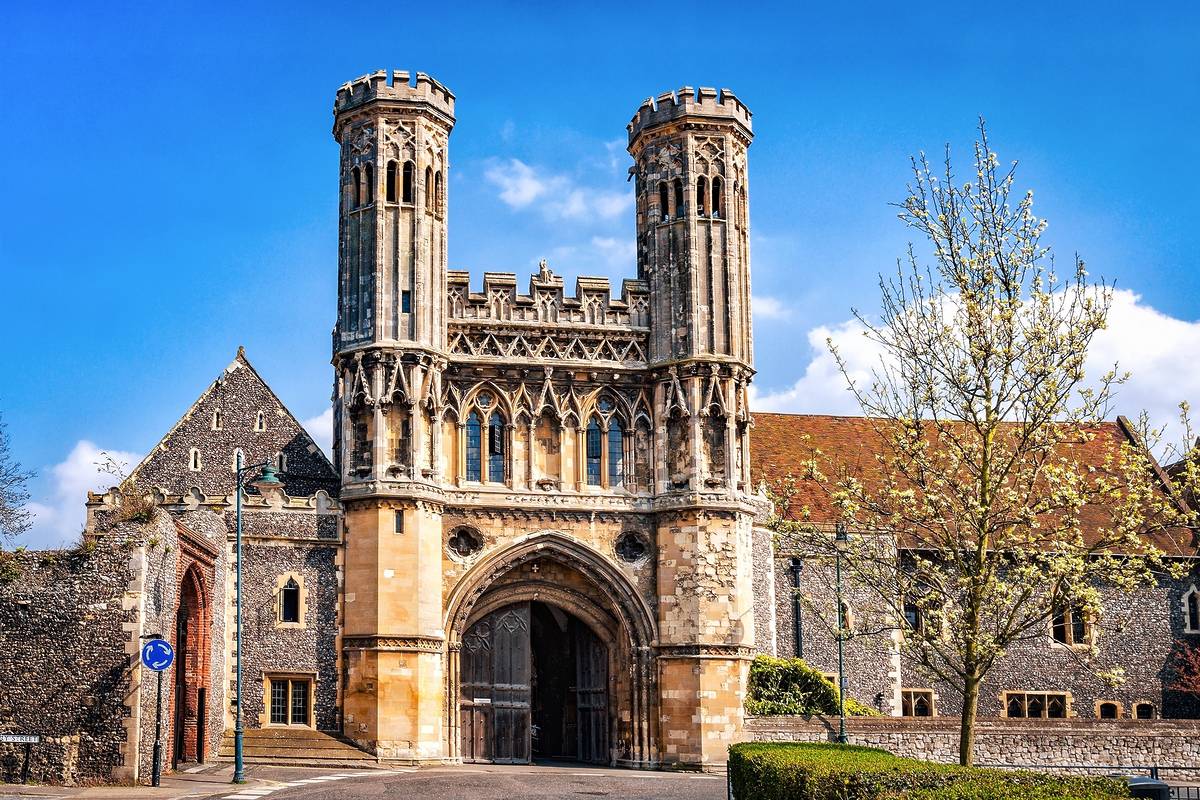
Stretching east of the cathedral, St Augustine’s Abbey offers a fascinating window into the early days of English Christianity. Founded at the end of the 6th century by Augustine – the missionary sent by Pope Gregory the Great. This ancient monastic complex served as the burial place for Anglo-Saxon kings and early archbishops. Although the abbey now lies partly in ruins, its remaining structures and museum exhibits convey a vivid sense of its early grandeur and enduring legacy.
St Martin’s Church

Completing Canterbury’s World Heritage triangle is St Martin’s Church, recognised as the oldest church in England still in use. Built before the arrival of Augustine, it was originally the private chapel of Queen Bertha of Kent, who played a pivotal role in welcoming Christianity to the English-speaking world. St Martin’s modest size belies its importance: stepping inside, you’ll find echoes of Roman brickwork, simple Saxon architecture, and a sense of spiritual continuity spanning centuries.
Getting to Canterbury from London
A visit to Canterbury is far more than a sightseeing tour. These three sites are connected by leafy footpaths and characterful lanes, making it easy to walk in the footsteps of pilgrims, monks, and royalty. Guided tours and interactive exhibits bring context to the city’s past, while Canterbury’s vibrant modern life with bustling markets, cozy pubs, and independent shops provides plenty of options for dining and exploration after a dose of heritage.
Canterbury is easily accessible from London, with regular direct trains from stations like London St Pancras and London Victoria, taking under two hours. Once you arrive, the city’s compact centre means you’re never far from any of its World Heritage highlights.