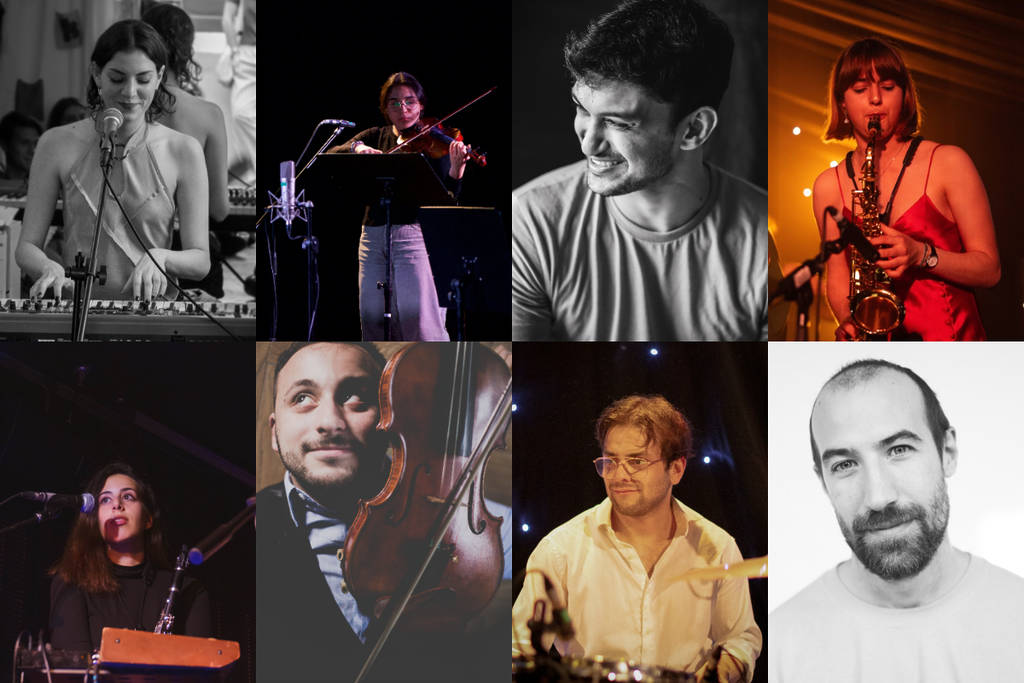

In a world increasingly run by AI, the Fever Music Team preserves the humanity behind the live music experience in London and beyond. They’re the musical masterminds behind concert series like Candlelight and other Fever Originals—a team of 14 “music nerds” in charge of “turning arrangements into reality” and more, but what’s the secret behind the magic? And how do they navigate a musical world where algorithms are raring to rule? We sat down with them to find out.
From Oxford graduates to Broadway stars: meet the team behind Candlelight and more
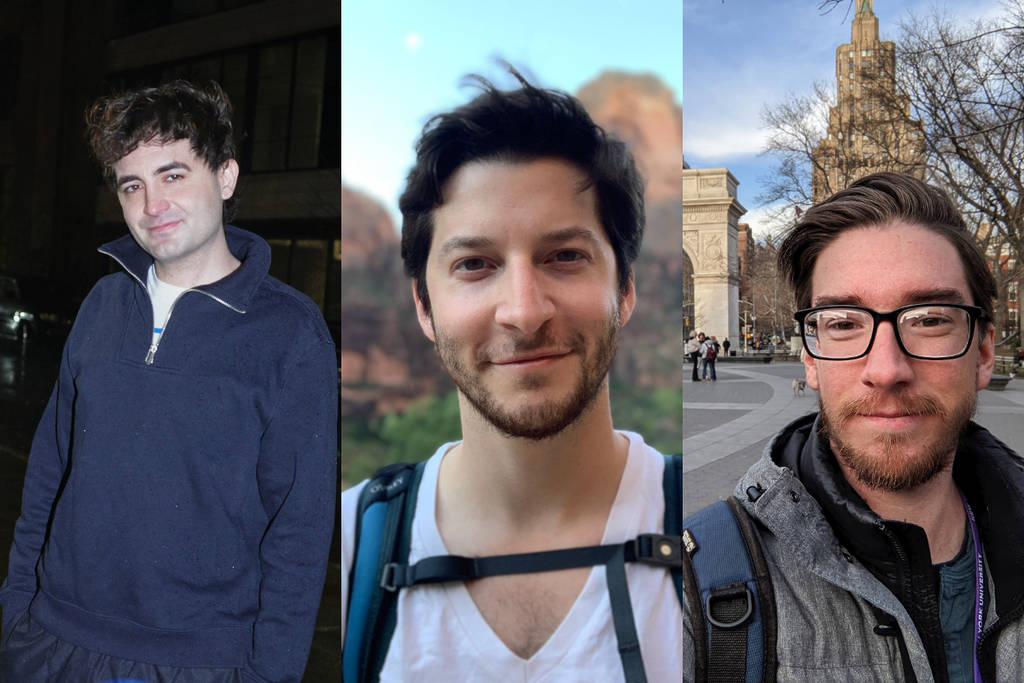
Expertise, experience and culture—the three magic words that make a music creator. In this team, they’re the experts responsible for “making music in Fever happen”. Beyond degrees in musicology from Oxford and film scoring from Berklee, they bring deep industry experience to the table too: the team includes professional touring musicians, performers who have played with major European orchestras, and even a former professional Broadway actor.
But they don’t just talk the talk, they play the tune, too. Violins, drums, cellos, pianos, saxes, guitars—you name an instrument, and there’s probably someone on the team that plays it.
This mixture of know-how, experience and a sprinkle of local knowledge makes curating musical experiences as much about instinct as it is about intellect.
“The aim is always the same: creating experiences that spark that magical, impossible to describe feeling you get when you encounter art.” – German Ocampo
How do these musical detectives curate the best concerts in London and beyond?
Every city has its own musical heartbeat. A music curator’s job is to tune into that rhythm and figure out exactly what the audience wants to hear. In London, that could mean a UK rap and grime programme featuring hits by Stormzy, Central Cee and more local talents. In Mumbai, a tribute to Arijit Singh or A.R. Rahman always hits the spot, while New Yorkers tend to gravitate towards a 90s hip-hop special.
One team member explains that the job requires the “research skills of a private investigator”: part researcher, part scout, always hunting for fresh, local talent, new programmes and setlists that connect with the respective city. They then review the arrangements to make sure every note is tight, clear and ready for the stage—it’s quality control at its most musical.
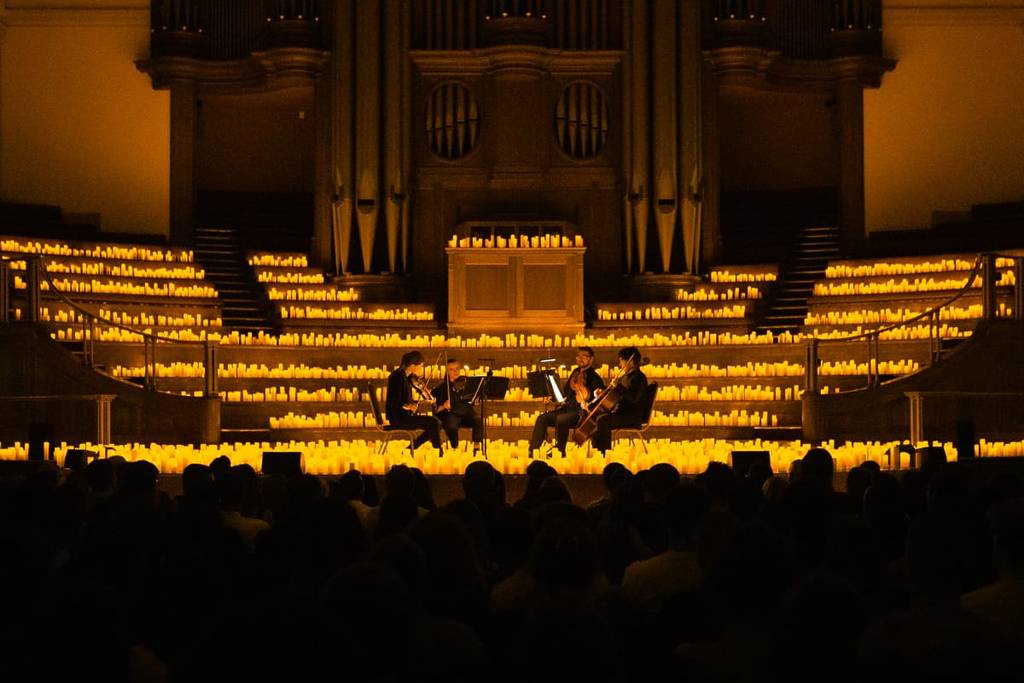
So, what’s the goal? For this team, there’s a clear focus on “redefining the scope of what classical musicians do” and “democratising access to classical music”. Candlelight’s string quartets in London very much embody this spirit. They recently performed with artists like Nick Jonas and Yungblud on their UK tours, blending contemporary with the classical, smashing elitist stereotypes and exposing fresh audiences to classical sounds.
“We don’t want classical concerts to feel like a museum you visit to see old works of art, we want them to be part of an ongoing dialogue with culture: informed by it, and also shaping it.” – German Ocampo
This same dedication to localized, genre-defying curation is what drives the team when building secondary passion projects pushed later into our seasonal calendar, such as The Jazz Room.
The future of sound: what’s in store for live music curation and concerts?
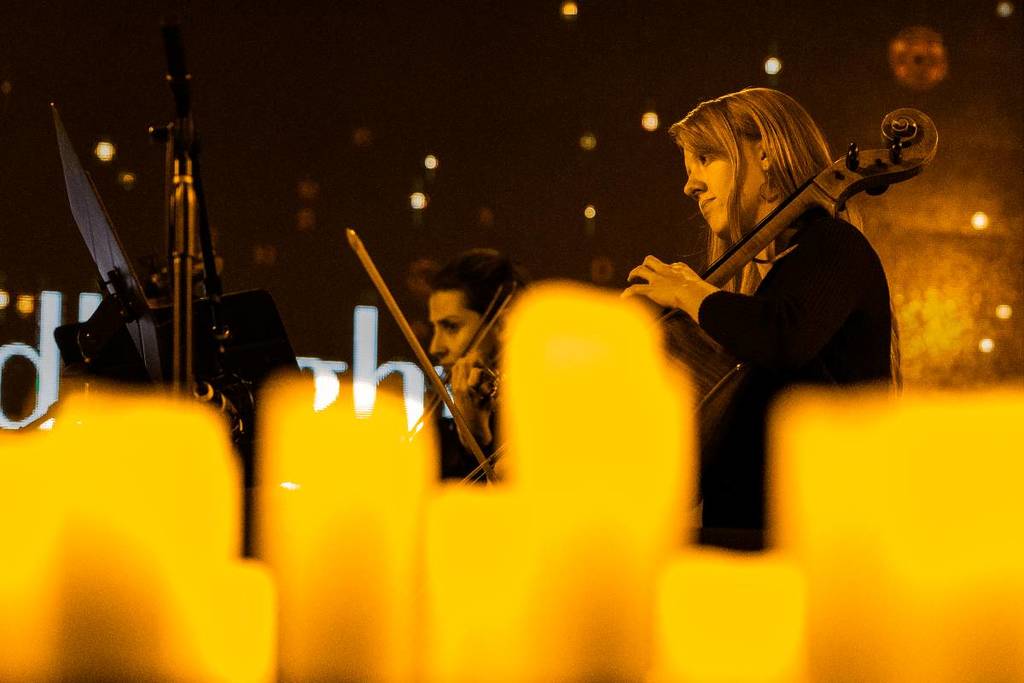
Looking towards the future doesn’t come without its questions, but the team views evolving technology as a helpful tool to streamline and support their creative processes rather than a threat to live performances. As explained by one team member, music remains “fundamentally human,” meaning that artificial intelligence functions best as an assistant that optimizes workflows rather than an entity that replicates true artistic intuition.
“Whatever AI spits out is not half as good as what I can come up with through my years of training, extensive knowledge, and lived experience.” – Andy Deschenes
So, what does the future of music curating look—or sound like—in a world ever dominated by new technology? It’s not easy to predict, but there’s one thing that this team is certain of:
“Music is a living, breathing thing created by living, breathing artists, and it would be incredibly disrespectful to the art form, the artists, the audience and myself, to relegate the best part of the job to AI.” – Andy Deschenes
*Curators: Pablo Moreno Sánchez, Robert Tyler Bechtle, Javier Calderari Torres, Ricky Schweitzer, Ana Sofía Vela Ramirez, Andree-Ann Deschenes, Hyunmin Kang, German Ocampo Barrera, Adrian Martens, Paula Gonzalez, Paula Flores, Lulu Whittington, Ross Raymond Mccaw and Aalok Gandhi