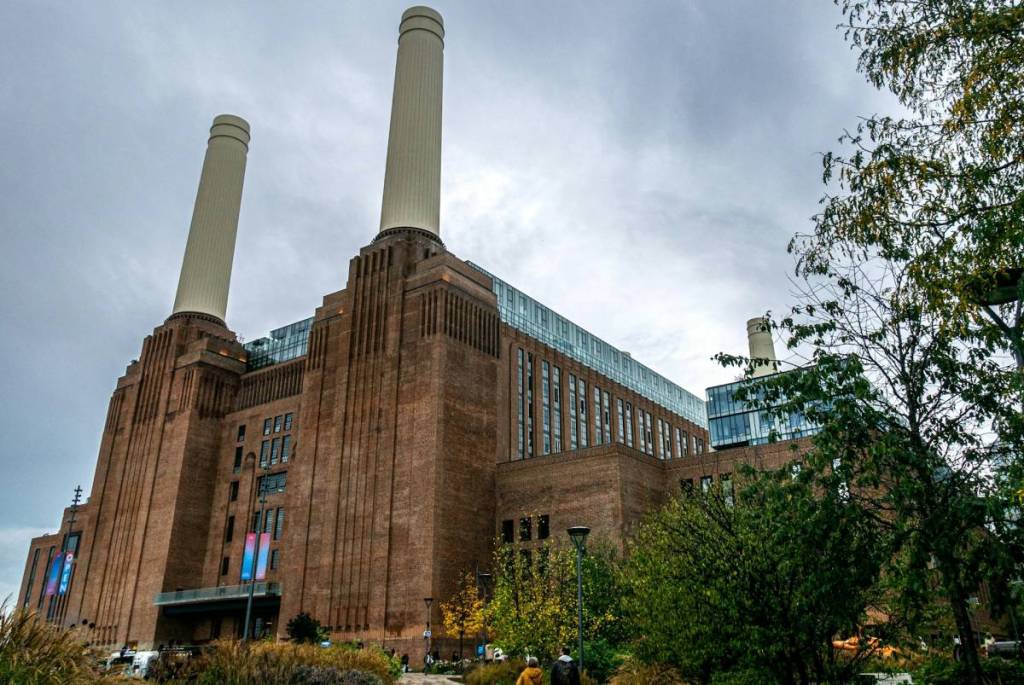

I don’t know about you, but when Battersea Power Station opened to the public back in October 2022, I was pretty stoked. As an almost life-long Londoner, being able to actually step inside the building I’d admired from outside for decades felt like a real novelty. Today, it’s a hub of food, drink, activity, and even homes; but as we know, it stood empty for a long time before that. Why? What was the original plan? How has it become the attraction known and loved today?
28 October 2026 18:00 + more dates
Control Room B
29 October 2026 10:00 + more dates
Why was Battersea Power Station originally built?
The construction of Battersea Power Station began in 1929, nearly a full century ago. As its name suggests, of course, it was built to be a power station for the city. Six years later (1935), Battersea A – the first stage – was completed, and the iconic chimneys, 101 metres in the sky, began letting out plumes of white vapour. In 1944, the second stage, Battersea B, started generating electricity; it was completed over 10 years later, in 1955. It is said that the space within the main Boiler House was so vast that if you could pick up and move St. Paul’s Cathedral, it would fit within the space!
Over the next 28 years – and for around 50 years in total – Battersea Power Station provided electricity to the capital, at one point generating a fifth of London’s entire electricity supply. However, between 1975 and 1983, the station slowly shut up shop, finally ceasing operation in 1983. This was due to newer power plants, a move away from coal-fired facilities, and increasing operational costs.
Notable updates in the 21st century
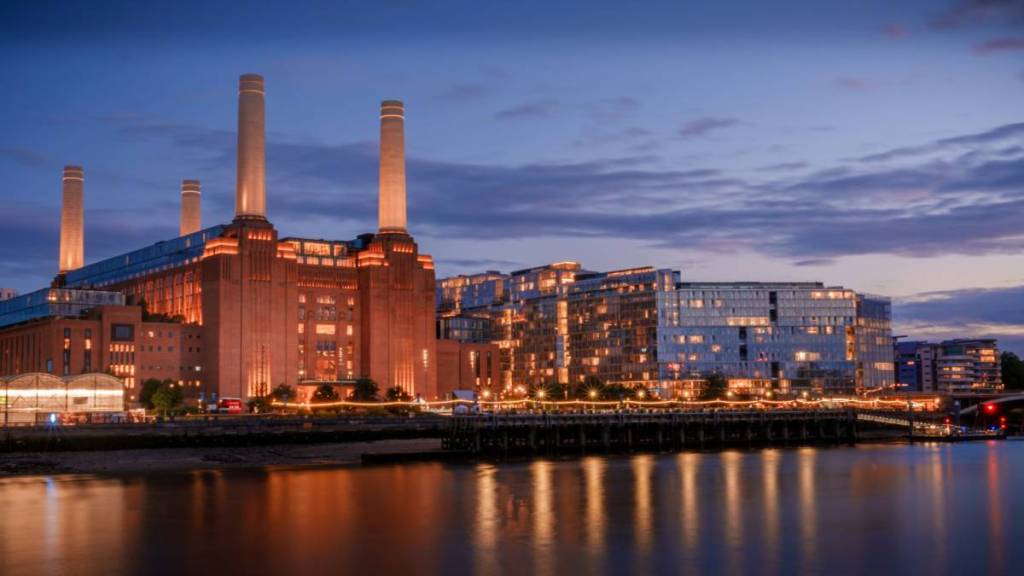
Now we’re getting to a point where many of us may remember in our lifetime; the closed-but-still-standing Battersea Power Station. After its closure, it had a few buyers, but ultimately, the doors remained shut until the early 2020s – more on that shortly. In 2007, Battersea Power Station was upgraded to Grade II* listed status (it had achieved Grade II back in 1980), further protecting it from major structural changes.
In 2013, 84 years after the original construction began, the plans for the Battersea Power Station we know and love today were set in motion. When the first residential properties went on sale, 75% of the homes ended up being sold in the first four days. Throughout the rest of the 2010s, various upgrades and changes were made, including the addition of the Battersea Power Station tube station being built and added to the Northern Line. Some residents moved into the surrounding Circus West Village, followed soon after by those in the power station itself in the early 2020s.
As of October 2022, Battersea Power Station opened its doors to the public.
What can you do at Battersea Power Station today?
Today, Battersea Power Station is home to over 150 shops, bars, restaurants, and entertainment venues, housed within the historic building itself, or the adjoining Electric Boulevard. From big-name brands, like M&S, Nando’s, and Ralph Lauren, to local favourites like Battersea Brewery, there really is something for everyone.

Within the last year, a new cultural and entertainment space, NEON, opened up. It currently hosts Ramses and the Pharaohs’ Gold, an exhibition and VR experience exploring the 13th-century Egyptian king. In fact, this exhibition boasts the largest collection of Ramses II items to have ever left Egypt (including the coffin of Ramses II himself), and has a unique stamp of approval from the Egyptian Ministry of Tourism and Culture.
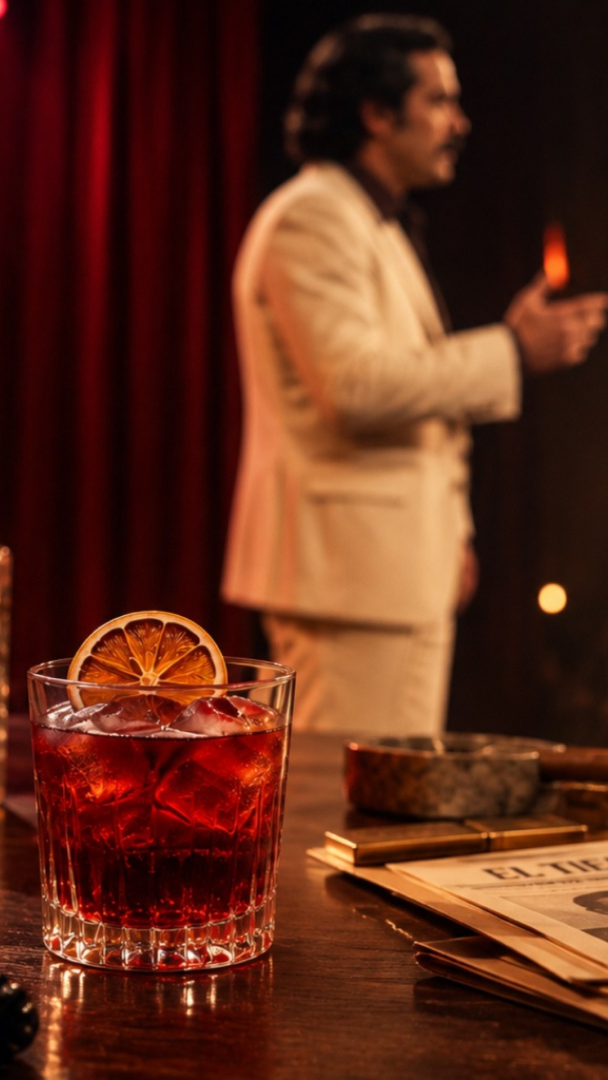
Elsewhere, you can continue your step back in time, and find out more about Battersea Power Station’s history. The self-guided Control Room B audio tour lets you get up close to the original 1950s control desks, switchgear, and synchroscopes that generated London’s power, all the while listening to audio about the industrial past. What’s more, you can even choose a welcome drink to enjoy, before you embark on the tour.
28 October 2026 18:00 + more dates
Control Room B
29 October 2026 10:00 + more dates